
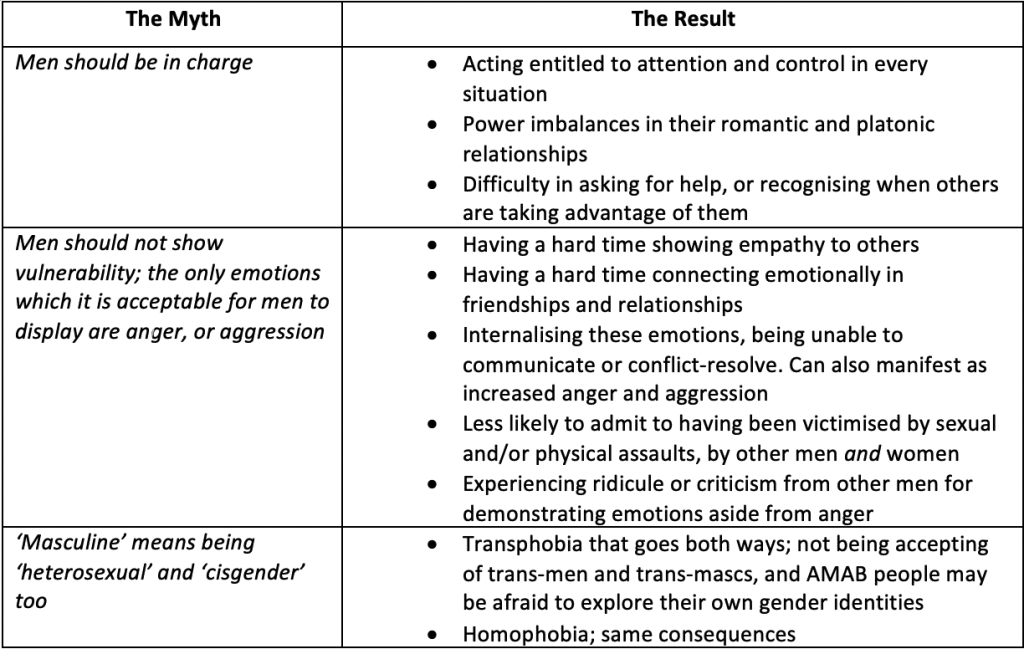
When it comes to discussing gender roles and identities, the concept of masculinity often takes center stage. Society has long held certain expectations and standards for what it means to be a man, but these ideas are constantly evolving. As conversations around gender continue to deepen, questions about masculinity arise, challenging traditional beliefs and prompting individuals to explore their own understanding of what it means to be masculine.
In this article, we will delve into some of the most thought-provoking questions about masculinity, aiming to foster a greater understanding and open dialogue on this complex topic. Whether you are questioning your own masculinity or seeking to broaden your perspective, these questions will encourage you to critically examine societal norms and personal beliefs.
Let’s dive into the questions:
See these questions about masculinity
- What does it mean to be masculine?
- How does society reinforce traditional masculine roles?
- Can someone be masculine without conforming to societal expectations?
- Is masculinity inherently toxic?
- How does toxic masculinity harm men?
- Are men under pressure to suppress emotions?
- What role does vulnerability play in masculinity?
- Can a man be nurturing and still be considered masculine?
- How does masculinity intersect with race and ethnicity?
- Are there different expectations for masculinity in different cultures?
- What impact does media representation have on masculinity?
- Do societal norms around masculinity limit men’s career choices?
- How does masculinity influence relationships and dating?
- Can men be victims of gender discrimination?
- Is it possible to challenge traditional masculinity without emasculating men?
- What does it mean to “perform” masculinity?
- How do masculinity and sexuality intersect?
- Are there healthy and unhealthy expressions of masculinity?
- How does masculinity affect mental health?
- Can men be feminists?
- What role does consent play in discussions of masculinity?
- Are men more prone to violence due to societal expectations of masculinity?
- What impact does fatherhood have on masculinity?
- Can masculinity be unlearned?
- How does toxic masculinity affect boys and young men?
- Do gender roles limit men’s ability to express themselves artistically?
- What can we learn from non-traditional expressions of masculinity?
- How does masculinity intersect with disability?
- Are there any positive aspects of traditional masculinity?
- Does toxic masculinity contribute to the objectification of women?
- What impact does societal pressure to be masculine have on transgender men?
- How does masculinity influence body image and self-esteem?
- Can masculinity be fluid?
- What can we do to challenge harmful notions of masculinity?
- How does masculinity affect men’s access to healthcare?
- Are there any famous examples of redefining masculinity?
- What role does education play in shaping ideas of masculinity?
- Can a man be considered masculine if he doesn’t conform to traditional gender roles?
- How does masculinity influence political participation?
- Are men more likely to experience peer pressure related to masculinity?
- What impact does societal pressure to be masculine have on LGBTQ+ individuals?
- How does masculinity intersect with age?
- Can masculinity be healthy and non-toxic?
These questions are just the tip of the iceberg when it comes to exploring masculinity. By engaging in open and honest conversations, we can challenge societal norms, break down stereotypes, and create a more inclusive understanding of what it means to be masculine.






