
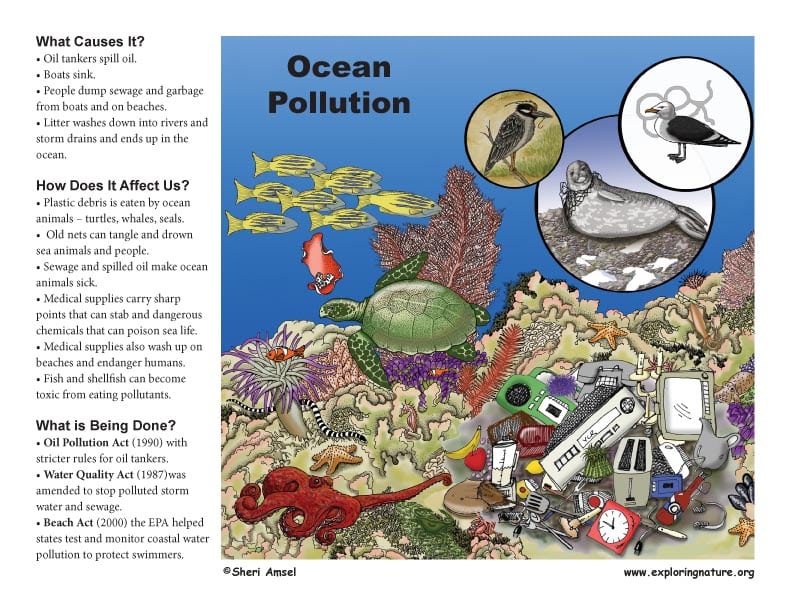
Ocean pollution is a pressing issue that affects not only marine life but also the entire ecosystem. As our oceans face increasing levels of pollution, it is crucial to understand the various aspects related to this problem. In this article, we will explore some common questions about ocean pollution and provide answers to help shed light on this important topic.
What causes ocean pollution? How does it affect marine life and humans? What can we do to prevent it? These are just a few of the questions that arise when discussing ocean pollution. By addressing these concerns, we can develop a better understanding of the issue and work towards finding sustainable solutions.
Through this article, we aim to provide valuable insights into the topic of ocean pollution and raise awareness about its consequences. Join us as we delve into the most frequently asked questions about this pressing environmental problem.
See these questions about ocean pollution
- What are the main sources of ocean pollution?
- How does plastic pollution impact marine life?
- What are microplastics, and how do they contribute to ocean pollution?
- What are the effects of oil spills on the ocean?
- How does industrial waste affect the health of our oceans?
- What role does agricultural runoff play in ocean pollution?
- What are the consequences of sewage and wastewater discharge into the ocean?
- How do chemicals and heavy metals pollute the ocean?
- What impact does ocean pollution have on coral reefs?
- What are the dangers of overfishing and how does it relate to ocean pollution?
- How does noise pollution affect marine animals?
- What are the effects of ocean pollution on human health?
- What can we do to reduce plastic waste in the ocean?
- How can we prevent oil spills from occurring?
- What are some sustainable alternatives to single-use plastics?
- How does climate change exacerbate ocean pollution?
- What role does international cooperation play in addressing ocean pollution?
- What are the long-term consequences of ocean pollution?
- How can individuals contribute to the fight against ocean pollution?
- What are some successful initiatives and projects aimed at reducing ocean pollution?
- How does ocean pollution impact the global economy?
- What are the effects of noise pollution on marine mammals?
- What is the Great Pacific Garbage Patch, and how does it form?
- What are the dangers of ghost fishing gear?
- What role does plastic recycling play in reducing ocean pollution?
- How does ocean pollution affect endangered species?
- What are the effects of ocean acidification?
- How does polluted runoff from urban areas contribute to ocean pollution?
- What are the consequences of pharmaceutical pollution in the oceans?
- What is the impact of noise pollution from shipping on marine life?
- How does eutrophication contribute to ocean pollution?
- What are the effects of radioactive waste on the ocean?
- What can governments and policymakers do to address ocean pollution?
- How do plastic microbeads found in personal care products contribute to ocean pollution?
- What are the effects of ocean pollution on tourism and coastal communities?
- How does ocean pollution affect the food chain?
- What are the dangers of abandoned fishing nets and gear?
- What are the consequences of underwater noise pollution on marine ecosystems?
- How does ocean pollution impact the quality of drinking water?
- What are the effects of chemical sunscreens on coral reefs?
- How does ocean pollution affect the oxygen levels in the water?
- What are the economic benefits of investing in ocean pollution prevention?
- How does ocean pollution contribute to climate change?
These questions offer a starting point for exploring the complex issue of ocean pollution. By gaining knowledge and spreading awareness about the causes and consequences of this problem, we can all play a role in protecting our oceans and ensuring a sustainable future for generations to come.






