
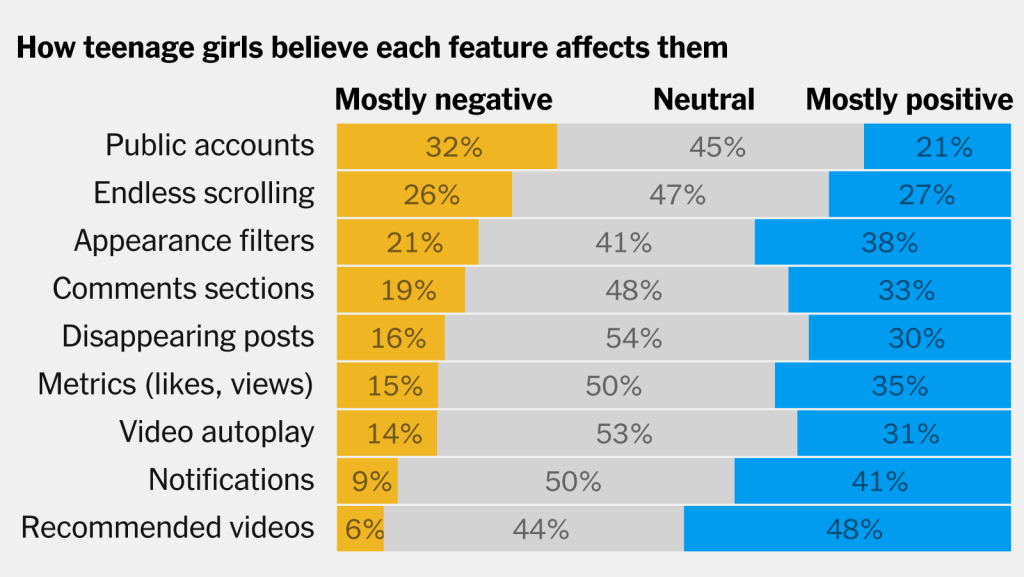
Social media has become an integral part of our daily lives, with billions of people around the world using platforms like Facebook, Instagram, and Twitter to connect with others, share experiences, and gather information. While social media offers numerous benefits, there are also growing concerns about its impact on mental health. As researchers delve deeper into this topic, many questions arise regarding the relationship between social media and mental well-being.
It is essential to explore these questions to gain a better understanding of the potential effects of social media on mental health. By addressing these concerns, we can develop strategies to mitigate any negative impact and ensure a healthy and positive online experience for all users.
In this article, we will delve into some of the most pressing questions regarding social media and mental health. By examining these questions, we hope to shed light on this complex and evolving topic.
See these questions about social media and mental health
- Does excessive social media use contribute to feelings of loneliness and isolation?
- Are individuals who spend more time on social media more likely to experience symptoms of depression?
- How does cyberbullying on social media affect mental health?
- Can the constant comparison to others’ lives on social media lead to decreased self-esteem and increased feelings of inadequacy?
- Do curated representations of life on social media contribute to feelings of anxiety and stress?
- What impact does social media have on body image and body dissatisfaction?
- Does social media use contribute to sleep disturbances and insomnia?
- Are individuals with pre-existing mental health conditions more susceptible to the negative effects of social media?
- Can social media be used as a tool for positive mental health promotion and support?
- What role does social media play in the development and maintenance of eating disorders?
- Does social media contribute to addictive behaviors and compulsive internet use?
- Can social media exacerbate symptoms of anxiety disorders?
- Do likes, comments, and followers on social media impact self-worth and validation?
- How does online harassment on social media platforms affect mental well-being?
- Are there differences in the mental health effects of various social media platforms?
- What measures can be taken to promote a healthier relationship with social media?
- Does social media use contribute to feelings of FOMO (Fear Of Missing Out)?
- Are certain age groups more vulnerable to the negative effects of social media on mental health?
- Can social media use contribute to feelings of social anxiety and avoidance in real-life social situations?
- How does cyberbullying affect the mental health of adolescents?
- Does social media use contribute to addictive behaviors and compulsive internet use?
- Can social media use lead to increased rates of suicide and self-harm?
- What impact does social media have on body dysmorphic disorder?
- Are individuals who use social media primarily for passive consumption more susceptible to negative mental health effects?
- Does social media use affect attention span and cognitive abilities?
- Can social media use lead to decreased face-to-face social interactions and feelings of social isolation?
- How does social media use affect academic performance and concentration?
- Are there any positive effects of social media on mental health?
- Does social media contribute to the spread of misinformation and conspiracy theories, leading to anxiety and paranoia?
- Can social media use lead to feelings of jealousy and relationship dissatisfaction?
- What impact does social media have on body positivity and acceptance?
- Are there gender differences in the mental health effects of social media use?
- Does social media use contribute to decreased self-control and impulsivity?
- Can social media use lead to social comparison and feelings of inferiority?
- How does the constant exposure to idealized lifestyles on social media impact mental well-being?
- Are individuals who use social media as a coping mechanism more susceptible to mental health issues?
- Does social media use contribute to decreased resilience and ability to cope with stress?
- What impact does social media have on the mental health of marginalized communities?
- Are there any age restrictions or guidelines that should be implemented to protect mental health on social media?
- Can social media use lead to decreased empathy and compassion?
- How does social media use impact body dysmorphia and plastic surgery trends?
- Does social media contribute to the development of addictive behaviors, such as gambling and online gaming?
- Can social media use lead to feelings of social comparison and body dissatisfaction among men?
- What role does social media play in the development and maintenance of obsessive-compulsive disorder?
- Does social media use contribute to decreased self-esteem and self-worth?
- How does social media use affect the mental health of parents and caregivers?
These questions are just the tip of the iceberg when it comes to understanding the intricate relationship between social media and mental health. As researchers continue to investigate this topic, it is crucial to remain informed and aware of the potential effects of social media on our well-being. By addressing these questions, we can work towards creating a healthier online environment that promotes positive mental health for all users.






