
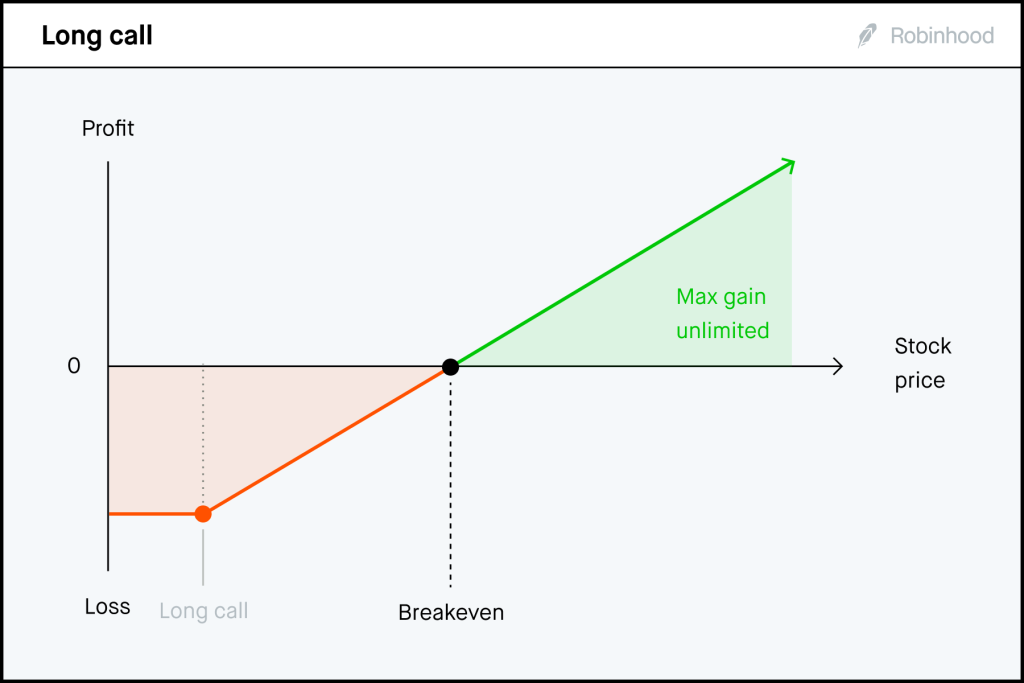
Stock options are a popular form of compensation offered by many companies to their employees. They provide the opportunity to purchase company stock at a predetermined price, known as the strike price. However, understanding how stock options work and how they can benefit you can be complex. In this article, we will address some common questions about stock options to help you gain a better understanding of this valuable employee benefit.
1. What are stock options and how do they work?
2. How are stock options different from stock grants?
3. What is the vesting period for stock options?
See these questions about stock options
- 4. How are stock options granted?
- 5. What is the strike price?
- 6. How is the strike price determined?
- 7. Can stock options be exercised immediately?
- 8. What is the expiration date of stock options?
- 9. What happens if I leave the company before my stock options vest?
- 10. Can stock options be transferred or sold?
- 11. What are the tax implications of exercising stock options?
- 12. How are stock options taxed?
- 13. Are there any tax advantages to holding stock options?
- 14. How do stock options affect my overall compensation package?
- 15. Are stock options a good form of compensation?
- 16. How do stock options compare to other forms of equity compensation?
- 17. What is the difference between incentive stock options (ISOs) and non-qualified stock options (NSOs)?
- 18. How are stock options valued?
- 19. Can stock options be exercised during a blackout period?
- 20. What happens if the company’s stock price drops below the strike price?
- 21. Can stock options be exercised after leaving the company?
- 22. Can stock options be exercised before the vesting period?
- 23. What is the difference between exercising and selling stock options?
- 24. How can I maximize the value of my stock options?
- 25. Are stock options subject to any restrictions?
- 26. Can stock options be inherited?
- 27. How do stock options affect the company’s financial statements?
- 28. Do stock options have any voting rights?
- 29. Are stock options subject to any regulatory requirements?
- 30. What is the role of a stock option plan?
- 31. Can stock options be granted to consultants or contractors?
- 32. What happens if the company is acquired?
- 33. Do stock options have any impact on employee benefits?
- 34. How can I negotiate for more stock options?
- 35. Can stock options be forfeited?
- 36. What is the difference between stock options and restricted stock units (RSUs)?
- 37. How do stock options affect dilution?
- 38. Can stock options be exercised in multiple tranches?
- 39. Are stock options subject to any reporting requirements?
- 40. Can stock options be granted to board members?
By addressing these questions about stock options, we hope to provide you with a comprehensive understanding of this valuable employee benefit. Remember, it’s essential to consult with a financial advisor or tax professional to fully understand the implications of stock options based on your specific situation.






