
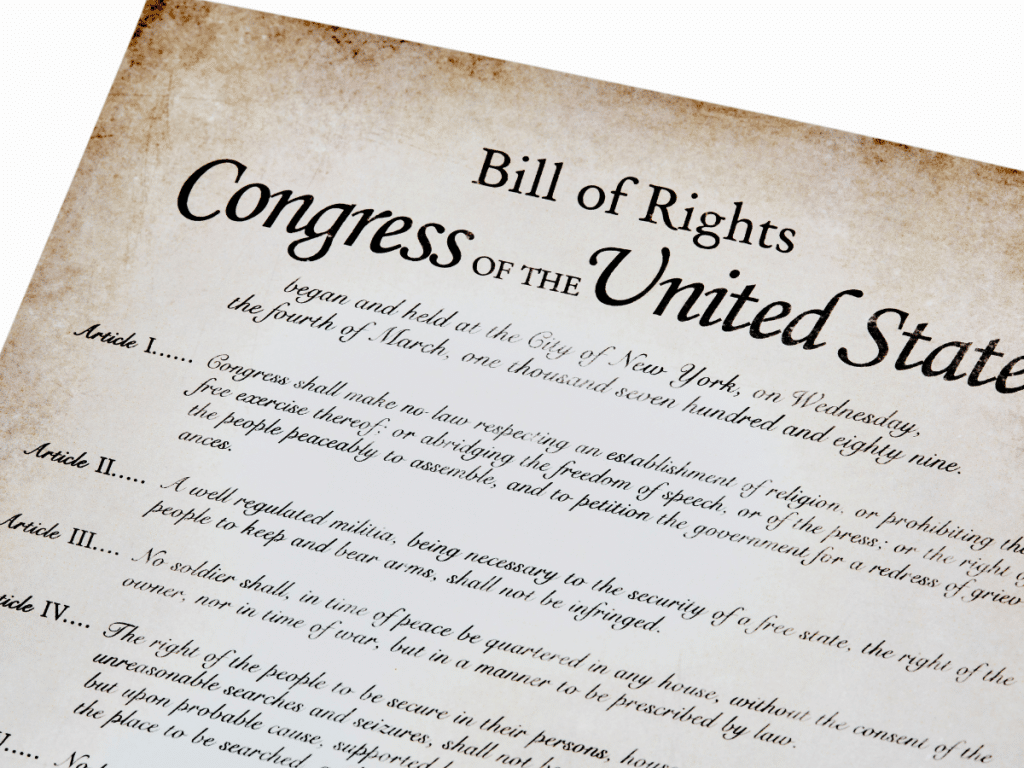
The 4th Amendment of the United States Constitution is a crucial component of the Bill of Rights, protecting citizens against unreasonable searches and seizures. Despite its importance, many people still have questions about the 4th Amendment and its implications. In this article, we aim to address some of the common questions surrounding this constitutional provision.
Understanding the 4th Amendment is essential for every citizen to ensure their rights are protected. This amendment prohibits law enforcement from conducting searches or seizures without a valid warrant, supported by probable cause. However, the interpretation of the 4th Amendment can be complex, leading to various questions that arise. Let’s delve into some of these questions and shed light on the subject.
Whether you’re a student studying constitutional law or an average citizen seeking clarity, this article will provide answers to some frequently asked questions about the 4th Amendment.
See these questions about the 4th amendment
- What is the purpose of the 4th Amendment?
- What constitutes a search under the 4th Amendment?
- Can law enforcement search my property without a warrant?
- What is probable cause?
- Can the police search my car without a warrant?
- What are the exceptions to the warrant requirement?
- Can law enforcement search my digital devices without a warrant?
- Do I have privacy rights at the airport?
- Can the 4th Amendment protect me against unreasonable stops and frisks?
- What is the exclusionary rule?
- Can evidence obtained illegally be used in court?
- Can the 4th Amendment protect me against invasive body searches?
- Do I have privacy rights in my workplace?
- Can the police search my home while I’m away?
- What is the role of consent in a search?
- Can the police stop and search me based on my race?
- What is the “plain view” doctrine?
- Do I have privacy rights in my car?
- Can the police conduct a search based on an anonymous tip?
- What is the difference between a search warrant and an arrest warrant?
- Can the 4th Amendment protect me against unreasonable surveillance?
- What is the “good faith” exception to the warrant requirement?
- Can I refuse a search by law enforcement?
- Can the police search my bag without a warrant?
- What is the “fruit of the poisonous tree” doctrine?
- Can the 4th Amendment protect me against invasive airport screenings?
- What is the role of exigent circumstances in a search?
- Can the police search my phone without a warrant?
- Do I have privacy rights in my hotel room?
- Can the 4th Amendment protect me against unreasonable use of force?
- What is the role of the Terry stop in a search?
- Can law enforcement search my social media accounts without a warrant?
- Do I have privacy rights in my emails and text messages?
- Can the police search my trash without a warrant?
- What is the “inevitable discovery” exception to the exclusionary rule?
- Can the 4th Amendment protect me against warrantless drug tests?
- What is the role of the “automobile exception” in a search?
- Can the police search my person during a routine traffic stop?
- Can the 4th Amendment protect me against unreasonable strip searches?
- What is the role of the “border search” exception to the warrant requirement?
- Can law enforcement search my DNA without a warrant?
- Do I have privacy rights in my medical records?
- Can the 4th Amendment protect me against unreasonable drug testing in schools?
- What is the role of the “community caretaking” exception in a search?
These are just a few examples of the many questions that can arise when discussing the 4th Amendment. By having a clearer understanding of this constitutional right, individuals can ensure their rights are respected and protected in various situations.






