
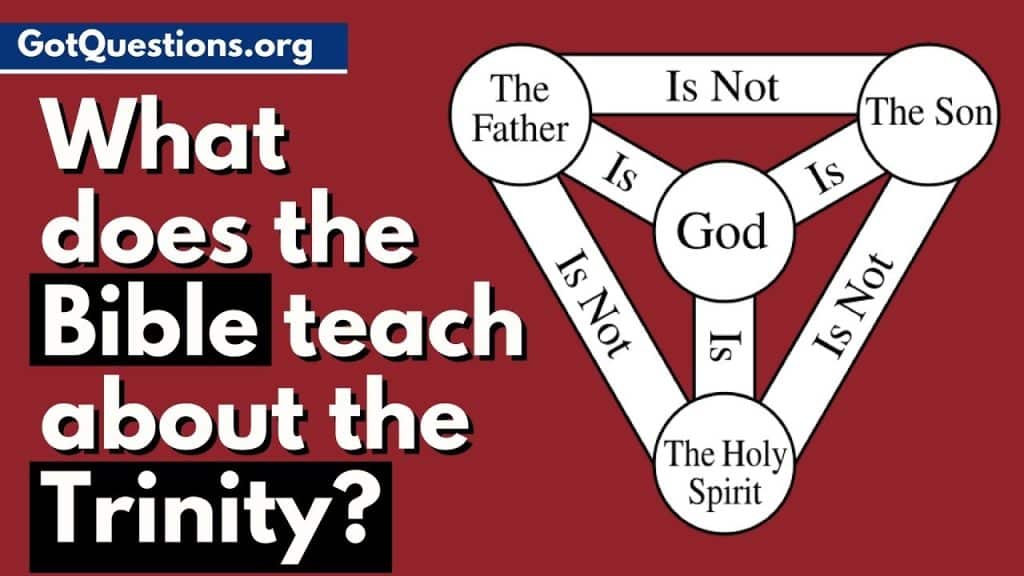
The concept of the Trinity has long been a topic of theological discussion and debate. The doctrine of the Trinity states that there is one God who exists in three distinct persons: the Father, the Son (Jesus Christ), and the Holy Spirit. While this idea is central to many Christian denominations, it can also be a source of confusion and curiosity for believers and non-believers alike. In this article, we will explore some common questions about the Trinity and seek to shed some light on this complex theological concept.
One of the most frequently asked questions about the Trinity is how three persons can be one God. How can God be both three and one at the same time? This mystery is often described using analogies such as the three states of water (solid, liquid, and gas) or the three parts of an egg (shell, yolk, and white). While these analogies may help us grasp the concept to some extent, they fall short in fully capturing the complexity of the Trinity.
Another common question revolves around the roles of the three persons of the Trinity. What is the role of the Father, the Son, and the Holy Spirit? How do they relate to each other? The Father is often seen as the creator and sustainer of the universe, the Son as the savior who became incarnate in Jesus Christ, and the Holy Spirit as the guide and comforter for believers. However, it is important to note that each person of the Trinity is fully God and yet distinct in their roles and relationships.
See these questions about Trinity
- What is the Trinity?
- How does the Trinity relate to salvation?
- Are the three persons of the Trinity equal in power?
- What is the significance of the Trinity in Christian worship?
- Can the Trinity be fully understood by human beings?
- Is the concept of the Trinity present in the Old Testament?
- What are some common misconceptions about the Trinity?
- How does the Trinity impact the understanding of Jesus’ divinity?
- What is the role of each person of the Trinity in creation?
- Do all Christian denominations believe in the Trinity?
- How does the Trinity relate to the concept of love?
- What is the historical development of the doctrine of the Trinity?
- Can the Trinity be explained using scientific or philosophical concepts?
- What are some biblical passages that support the doctrine of the Trinity?
- How does the Trinity impact the understanding of the Holy Spirit’s work?
- What is the significance of baptism in relation to the Trinity?
- Are there any non-Christian religions that believe in a similar concept to the Trinity?
- How does the Trinity impact the understanding of God’s relationship with humanity?
- What are some practical implications of the belief in the Trinity for daily life?
- Can the concept of the Trinity be reconciled with monotheism?
- What is the role of the Trinity in the process of sanctification?
- How does the Trinity impact the understanding of the church as the body of Christ?
- What are some objections raised against the doctrine of the Trinity?
- Is the Trinity a necessary belief for salvation?
- How does the Trinity impact the understanding of the Bible as God’s word?
- What are some ways to explain the Trinity to children?
- Can the Trinity be experienced and encountered in a personal way?
- What is the role of the Trinity in the process of prayer?
- How does the Trinity impact the understanding of God’s sovereignty?
- What are some practical challenges in understanding and explaining the Trinity?
- Can the concept of the Trinity be explored through different cultural and historical contexts?
- What is the significance of the Trinity in the context of the church’s mission?
- How does the Trinity impact the understanding of God’s presence and immanence?
- What are some ways in which the Trinity can be contemplated and meditated upon?
- Can the Trinity be a unifying factor among different Christian denominations?
- How does the Trinity impact the understanding of the relationship between faith and reason?
- What are some ways to deepen one’s understanding and appreciation of the Trinity?
- Can the Trinity be a source of inspiration for artistic expression?
- How does the Trinity impact the understanding of God’s justice and mercy?
- What are some practical ways to live out the belief in the Trinity in everyday life?
- Can the concept of the Trinity be explored through interdisciplinary studies?
- How does the Trinity impact the understanding of the nature of God’s love?
- What are some theological reflections and writings on the Trinity throughout history?
These questions about the Trinity are just the tip of the iceberg when it comes to the depth and complexity of this theological concept. Exploring these questions and seeking answers can lead to a deeper understanding and appreciation of the nature of God and His relationship with humanity.






