
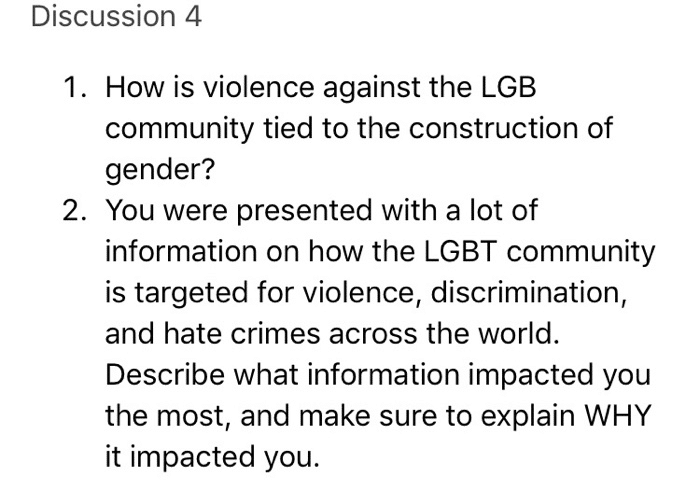
Violence is a complex and pervasive issue that affects societies around the world. It encompasses a wide range of behaviors, from physical aggression to emotional abuse, and has devastating consequences for individuals and communities. As we strive to understand and address violence, it is important to ask questions that shed light on its causes, impacts, and potential solutions.
In this article, we will explore some of the key questions about violence and delve into the various aspects surrounding this pressing issue. By examining these questions, we hope to foster greater awareness and generate meaningful discussions that can contribute to building safer and more peaceful communities.
So let’s dive into these questions and deepen our understanding of violence:
See These Questions About Violence
- What are the different types of violence?
- What are the underlying causes of violence?
- How does violence impact individuals and communities?
- What role does gender play in violence?
- How prevalent is violence in schools?
- What are the long-term effects of childhood exposure to violence?
- What are the economic costs of violence?
- What are the psychological factors that contribute to violent behavior?
- How does violence affect marginalized communities?
- What are the warning signs of potential violent behavior?
- What are the risk factors for becoming a victim of violence?
- What are the ethical implications of using violence as a means of self-defense?
- How does media influence perceptions of violence?
- What are the root causes of domestic violence?
- What are the effects of violence on children’s development?
- How can we prevent violence in relationships?
- What are the legal consequences of committing acts of violence?
- How does violence manifest in the workplace?
- What are the effects of violence on mental health?
- What are the challenges in reporting incidents of violence?
- How does violence intersect with other forms of discrimination?
- What are the success stories of violence prevention programs?
- What are the characteristics of individuals who are prone to violent behavior?
- How does violence impact the education system?
- What are the cultural factors that perpetuate violence?
- What are the effects of violence on the healthcare system?
- How does violence affect the well-being of older adults?
- What are the differences between reactive and proactive violence prevention?
- What are the consequences of witnessing violence?
- How can communities support survivors of violence?
- What are the challenges in prosecuting perpetrators of violence?
- What are the effects of violence on social cohesion?
- How does violence impact the economy?
- What are the long-term effects of exposure to community violence?
- What are the prevention strategies for bullying and cyberbullying?
- What are the effects of violence on family dynamics?
- How does violence affect the process of urbanization?
- What are the cultural and social norms that contribute to violence?
- How does violence intersect with substance abuse?
- What are the effects of violence on educational outcomes?
- How can technology be used to prevent violence?
- What are the key components of effective violence prevention programs?
These questions provide a starting point for exploring the multifaceted nature of violence. By seeking answers and engaging in meaningful conversations, we can work towards creating a world where violence is no longer a pervasive threat and where individuals and communities can thrive in peace and safety.






