
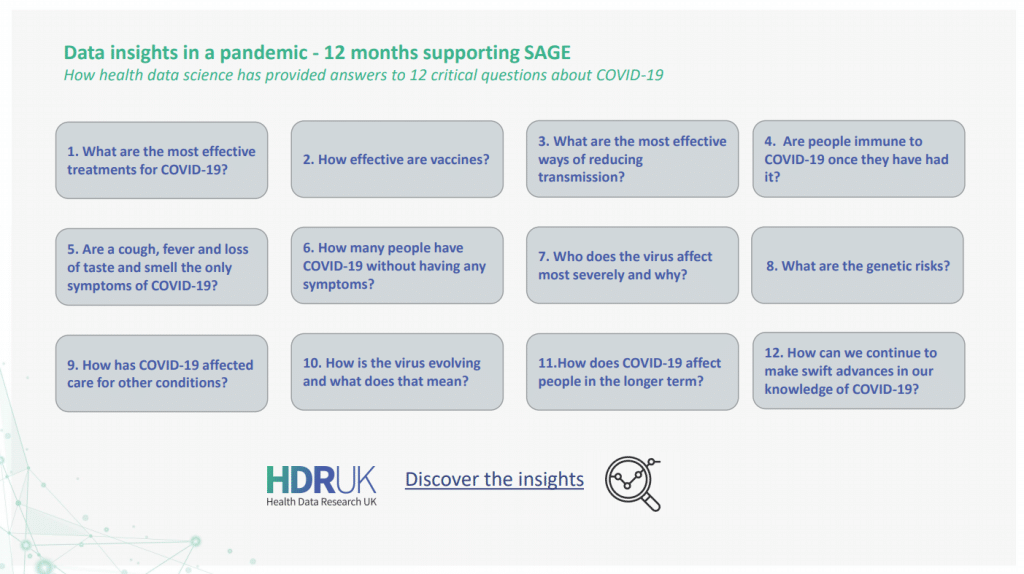
Epidemiologists are public health professionals who study patterns, causes, and effects of diseases in populations. They play a crucial role in understanding and controlling the spread of diseases, especially during outbreaks or pandemics. To gain insights into the transmission and impact of diseases, epidemiologists ask a range of questions that help guide their research and decision-making processes. In this article, we will explore some of the common questions epidemiologists ask.
One of the primary questions epidemiologists ask is, “How is the disease transmitted?” Understanding the mode of transmission is essential for implementing effective preventive measures. They investigate whether the disease spreads through direct contact, respiratory droplets, contaminated surfaces, or vectors like mosquitoes or ticks. This information helps determine the appropriate interventions and control strategies.
Another common question epidemiologists ask is, “What are the risk factors associated with the disease?” They examine various factors such as age, gender, occupation, lifestyle, and underlying health conditions to identify those at higher risk of contracting the disease or experiencing severe outcomes. This knowledge assists in targeted interventions, resource allocation, and public health messaging.
See these questions epidemiologists ask
- What is the incubation period of the disease?
- How long is the infectious period?
- What are the symptoms of the disease?
- How does the disease progress?
- Are there asymptomatic cases?
- How many cases have been reported so far?
- What is the geographical distribution of the disease?
- What is the attack rate?
- Are there any demographic differences in the affected population?
- Are certain population groups more vulnerable?
- Is there a specific seasonality to the disease?
- What are the possible sources of the outbreak?
- Is there a pattern of clustering of cases?
- Are there any common exposures among the affected individuals?
- What is the case fatality rate?
- How does the disease impact different age groups?
- Are there any long-term health effects?
- What are the available diagnostic tests?
- How accurate are the diagnostic tests?
- What are the treatment options?
- Are there any effective preventive measures?
- What is the reproductive number of the disease?
- What is the herd immunity threshold?
- How effective are vaccines in preventing the disease?
- What is the impact of non-pharmaceutical interventions?
- What is the role of environmental factors in disease transmission?
- How does the disease affect different socioeconomic groups?
- What are the ethical considerations in disease control?
- How can we improve surveillance and reporting systems?
- Are there any potential co-infections or secondary infections?
- What are the challenges in contact tracing?
- What is the impact of travel restrictions?
- How can we mitigate the spread of misinformation?
- What are the economic consequences of the disease?
- How can we ensure equitable access to healthcare?
- What are the psychological effects of the disease on individuals?
- What is the role of genetics in disease susceptibility?
- How can we enhance public health emergency preparedness?
- What are the long-term implications for healthcare systems?
- How can we improve communication strategies during outbreaks?
- What research gaps need to be addressed?
These are just a few examples of the questions epidemiologists ask to gain a comprehensive understanding of diseases and develop evidence-based strategies for disease prevention and control. By continuously asking these questions and conducting rigorous research, epidemiologists contribute to the well-being and safety of populations around the world.






