
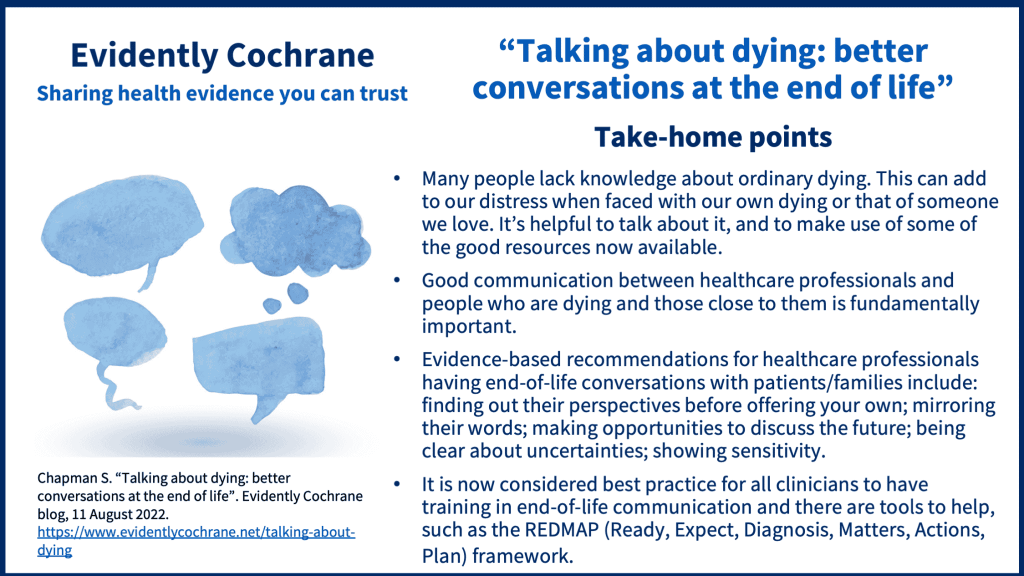
As humans, death is an inevitable part of life. It is a topic that often evokes fear, sadness, and discomfort. However, it is essential to embrace the reality of death and acknowledge the importance of open conversations with those who are dying. Engaging in meaningful dialogue can provide comfort and closure for both the dying person and their loved ones.
When faced with the imminent passing of a loved one, it can be challenging to know what to say or ask. This article aims to provide guidance by offering a list of questions for a dying person. These questions are designed to encourage reflection, introspection, and the sharing of cherished memories.
Remember that every individual is unique, and their readiness to engage in these conversations may vary. It is crucial to approach these discussions with empathy, sensitivity, and respect for the dying person’s emotional well-being.
See these questions for a dying person
- What are your fondest childhood memories?
- What has been your greatest accomplishment in life?
- Is there anything you regret or wish you had done differently?
- What values or life lessons do you want to pass on to future generations?
- What is your favorite piece of advice or wisdom?
- What are some of the most significant events or milestones in your life?
- What are your hopes and dreams for your loved ones?
- Is there a particular song, poem, or book that holds special meaning to you?
- What are some of the things that bring you joy and happiness?
- Do you have any unfulfilled wishes or dreams?
- What are your thoughts and beliefs about the afterlife?
- Are there any messages or final words you would like to share with your loved ones?
- What are the qualities or characteristics you most admire in others?
- What are some of the challenges you have faced in life, and how did you overcome them?
- What are the most important relationships in your life, and what do they mean to you?
- Is there anything you would like to be remembered for?
- What do you find most beautiful about the world?
- What are your thoughts on forgiveness and reconciliation?
- Is there anything you would like to teach others about life?
- What are your favorite memories with your loved ones?
- What are your thoughts on love and its importance in life?
- Are there any unfinished conversations or unresolved issues you would like to address?
- What are some of the things you are grateful for in life?
- Is there a specific legacy you hope to leave behind?
- What are your thoughts on the meaning and purpose of life?
- Are there any fears or worries you would like to let go of?
- What are some of the experiences or accomplishments you are most proud of?
- Is there anything you would like to say to someone who has passed away?
- What brings you comfort during difficult times?
- What are your thoughts on the importance of self-care and self-love?
- Is there anything you would like to say to your younger self?
- What are your favorite ways to express creativity?
- Are there any life lessons you learned the hard way?
- What are your thoughts on the concept of happiness?
- Is there anything you would like to say to someone who may feel guilty or burdened by your passing?
- What are your thoughts on finding peace and acceptance?
- Are there any dreams or goals you would like your loved ones to pursue on your behalf?
- What are your favorite ways to find solace and tranquility?
- Is there anything you would like to say to someone who may struggle with grief after your passing?
- What are your thoughts on the importance of living in the present moment?
- Are there any specific messages or wishes you would like to convey at your memorial service?
Engaging in conversations with a dying person can be emotionally challenging, but it can also provide an opportunity for healing, understanding, and closure. These questions serve as a starting point for meaningful discussions that can help create lasting memories and provide comfort during difficult times. Remember to approach these conversations with empathy, love, and respect, allowing the dying person to express themselves and share their wisdom and experiences.






