Assault is a traumatic experience that can have serious physical, emotional, and psychological impacts on the victim. As a supportive friend, family member, or professional, it is important to approach the topic with sensitivity and understanding. Asking the right questions can help the victim open up about their experience and provide them with the support and comfort they need. In this article, we will provide you with a comprehensive list of questions to ask a victim of assault, ensuring that you approach the conversation in a respectful and compassionate manner.
See these questions for a victim of assault
- How are you feeling right now?
- Can you tell me what happened?
- Would you like to talk about your feelings?
- Are you comfortable discussing your physical injuries?
- Who else knows about the assault?
- Have you sought medical attention?
- Do you feel safe right now?
- Do you need help with anything?
- Have you contacted the authorities?
- Are you considering pressing charges?
- Do you have a support system in place?
- Would you like me to accompany you to any appointments or meetings?
- Have you considered counseling or therapy?
- How can I best support you during this time?
- Do you have any concerns about your safety?
- Are you experiencing any flashbacks or nightmares?
- Are you comfortable sharing your experience with others?
- Have you noticed any changes in your behavior or mood since the assault?
- What can I do to help you feel more secure?
- Are you aware of any resources or support organizations for assault victims?
- Do you have any financial concerns as a result of the assault?
- Are you able to access a safe living environment?
- Do you have any questions or concerns about the legal process?
- Have you noticed any changes in your relationships since the assault?
- Are you comfortable discussing any specific details or triggers related to the assault?
- What are your goals in terms of healing and recovery?
- Are you interested in self-defense classes or other forms of empowerment?
- Do you have any concerns about your personal information being shared?
- How can I support you in rebuilding your confidence and self-esteem?
- What are some activities or hobbies that bring you joy and can serve as a distraction?
- Do you have any concerns about potential retaliation?
- Are you aware of your rights as a victim of assault?
- Have you considered joining a support group for assault survivors?
- Are there any specific cultural or religious considerations that should be taken into account?
- What can we do to ensure your privacy and confidentiality?
- Are you interested in learning self-care techniques to help manage stress and anxiety?
- How can we create a safe and supportive environment for you?
- Do you have any concerns about the impact of the assault on your future goals or aspirations?
- Are you comfortable discussing any potential substance abuse or self-destructive behaviors?
- Are you interested in exploring legal options for compensation or restitution?
- What are your preferred methods of communication and contact?
- Do you have any concerns about the impact of the assault on your career or education?
- What are your expectations for the healing process?
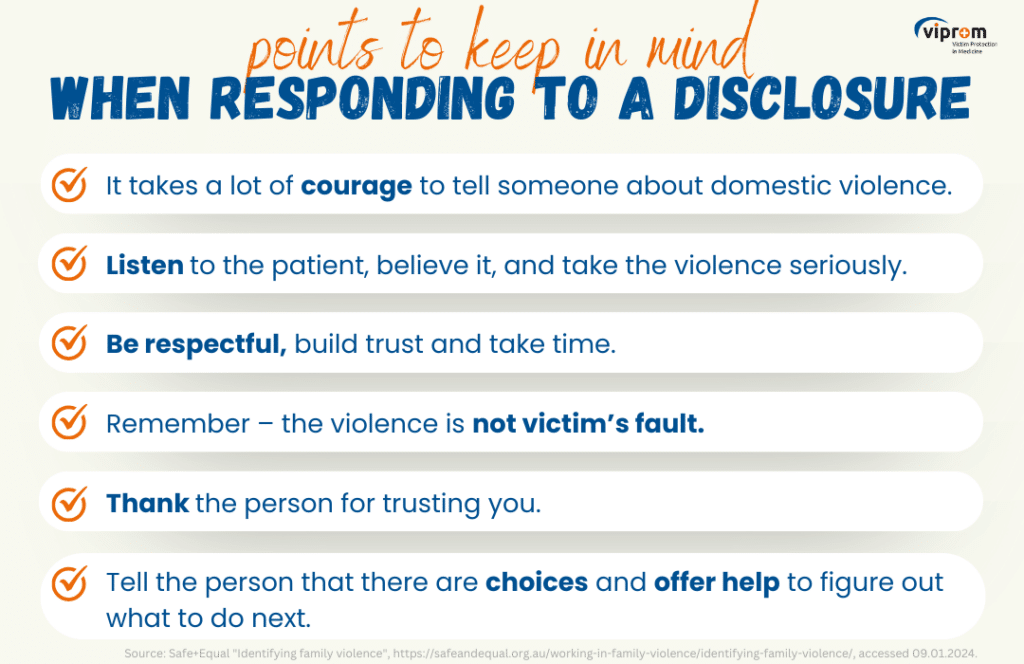
Approaching a victim of assault with empathy and understanding is crucial. These questions provide a starting point for open and supportive conversations that can help the victim feel heard, validated, and empowered. Remember, it is important to respect their boundaries and let them guide the conversation at their own pace. By offering your support and compassion, you can make a positive difference in their healing journey.