
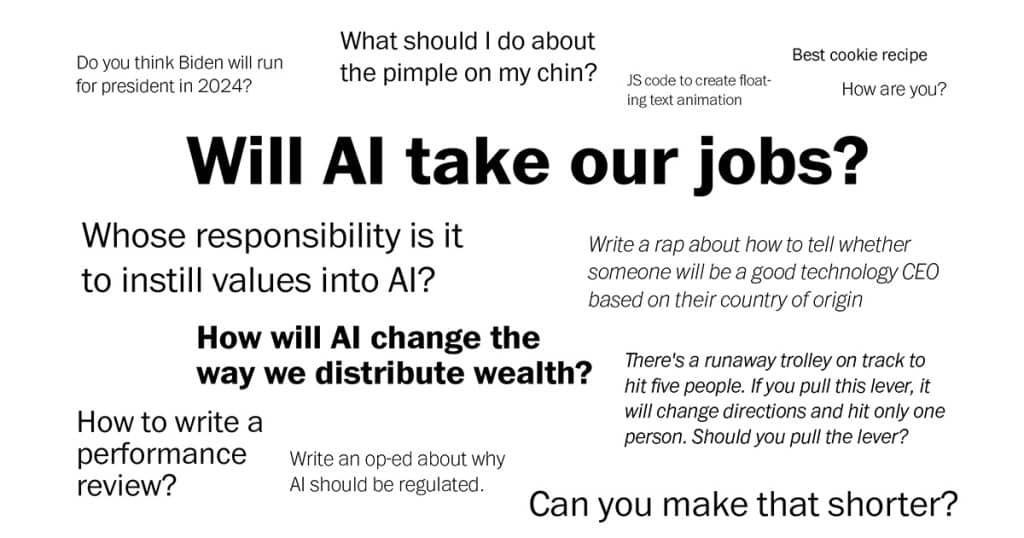
Artificial Intelligence (AI) has become increasingly prevalent in our daily lives, from voice assistants like Siri and Alexa to recommendation algorithms on our favorite streaming platforms. As AI continues to advance, it is crucial for us to question and understand its capabilities, limitations, and ethical implications. In this article, we will explore some important questions for AI that can help us navigate this rapidly evolving field.
One of the key questions for AI revolves around its decision-making process. How does AI make decisions? Can it explain the rationale behind its decisions? Understanding the transparency and interpretability of AI algorithms is essential, particularly in critical areas such as healthcare and finance. Additionally, we must consider the biases that might be embedded in AI systems and how they can be mitigated to ensure fairness and inclusivity.
Another important aspect to consider is the ethical implications of AI. What are the potential risks and consequences of relying heavily on AI systems? How do we ensure that AI is used responsibly and in a way that benefits society as a whole? As AI becomes more autonomous, questions about accountability and liability arise. It is crucial to establish ethical guidelines and regulatory frameworks to address these concerns.
See these questions for AI
- How can AI be used to improve healthcare outcomes?
- What are the potential risks of AI in military applications?
- Can AI algorithms be biased?
- How can we ensure transparency and accountability in AI decision-making?
- What are the ethical implications of AI in privacy and data protection?
- Can AI replace human creativity and innovation?
- How can AI be used to enhance education and learning?
- What are the potential job implications of AI automation?
- Can AI algorithms be hacked or manipulated?
- How can AI contribute to environmental sustainability?
- What measures can be taken to prevent AI from being used for malicious purposes?
- How can AI assist in disaster response and recovery?
- What are the limitations of AI in understanding complex human emotions?
- Can AI systems be programmed to have empathy?
- How can AI be used to improve transportation systems?
- What are the potential legal implications of AI-generated content?
- Can AI be used to predict and prevent crime?
- How can AI assist in scientific research and discovery?
- What are the potential consequences of AI in job displacement?
- Can AI help in addressing climate change?
- How can AI be used ethically in facial recognition technology?
- What are the limitations of AI in understanding and respecting cultural differences?
- Can AI contribute to the development of personalized medicine?
- How can AI be used to enhance cybersecurity?
- What are the potential biases in AI language models?
- Can AI assist in poverty alleviation and social welfare?
- How can AI be used to improve customer service and satisfaction?
- What are the potential risks of AI in autonomous vehicles?
- Can AI systems be held accountable for their actions?
- How can AI contribute to the advancement of renewable energy sources?
- What are the ethical considerations in AI-powered surveillance systems?
- Can AI assist in the early detection and prevention of diseases?
- How can AI be used to improve accessibility for people with disabilities?
- What are the potential biases in AI algorithms used for hiring processes?
- Can AI be used to combat fake news and misinformation?
- How can AI contribute to more sustainable agriculture practices?
- What are the limitations of AI in understanding and interpreting natural language?
- Can AI help in the preservation and restoration of cultural heritage?
- How can AI be used in optimizing energy consumption and efficiency?
- What are the potential risks of AI in autonomous weapon systems?
- Can AI assist in personalized marketing and advertising?
- How can AI contribute to the development of smart cities?
- What are the ethical considerations in AI-powered facial recognition technology?
These questions for AI serve as starting points for further exploration and discussion. As AI continues to evolve, it is crucial for us to engage in thoughtful conversations and ethical considerations to ensure that AI is developed and deployed in a responsible and beneficial manner.






