
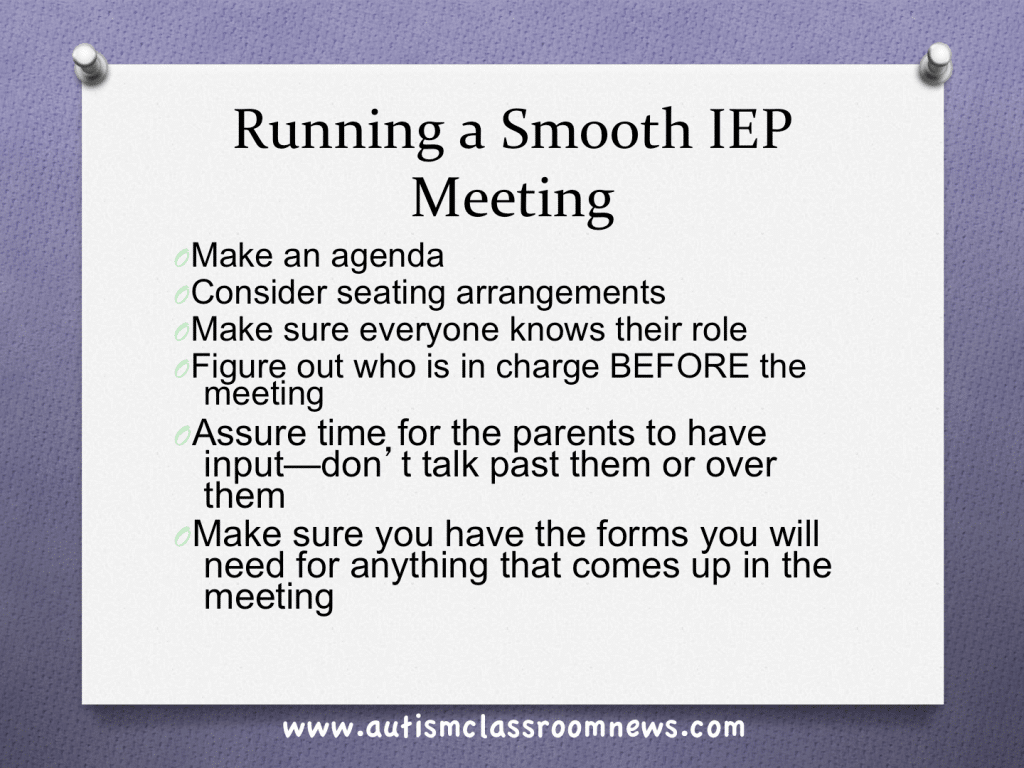
An Individualized Education Program (IEP) meeting is a crucial part of ensuring that children with autism receive the support they need in school. These meetings bring together parents, teachers, specialists, and administrators to discuss the child’s educational goals and develop a plan to meet their unique needs.
Preparing for an IEP meeting can be overwhelming, especially for parents who may not be familiar with the process. To help you navigate this important meeting, we have compiled a comprehensive list of questions that you can ask during an IEP meeting for autism. These questions will help you gather information, clarify any concerns, and ensure that your child’s educational program is tailored to their specific needs.
Remember, every child with autism is unique, and their IEP should reflect their individual strengths, challenges, and goals. Use these questions as a starting point, and feel free to add or modify them to address your child’s specific needs.
See these questions for an IEP meeting for autism
- What are the specific goals and objectives outlined in my child’s IEP?
- How will my child’s progress be measured and assessed?
- Are there any accommodations or modifications that can be made to support my child’s learning?
- What specialized services or therapies are available to my child?
- How frequently will my child receive these services?
- What training and experience do the teachers and staff have in supporting children with autism?
- Can my child receive additional support from a paraprofessional or aide?
- What strategies will be implemented to promote my child’s social and emotional well-being?
- How will my child’s IEP be implemented in the general education classroom?
- What assistive technology or tools are available to support my child’s learning?
- Can my child participate in extracurricular activities or clubs?
- Are there any transition plans in place to prepare my child for post-school life?
- What resources and support are available to parents?
- How often will I receive progress reports and updates on my child’s IEP?
- What steps can I take if I have concerns or disagreements regarding my child’s IEP?
- Can my child receive support in developing their communication skills?
- What strategies can be implemented to address my child’s sensory needs?
- What professional development opportunities are available for teachers and staff in relation to autism?
- What support is available for my child during transitions between grade levels or schools?
- How will my child’s IEP be reviewed and revised as they progress?
- What strategies can be implemented to promote my child’s independence and self-advocacy skills?
- Can my child receive any additional support during standardized testing?
- Are there any social skills programs or resources available for my child?
- What strategies can be implemented to address my child’s behavioral challenges?
- Can my child receive support in developing their executive functioning skills?
- How will my child’s IEP align with their long-term goals and aspirations?
- Are there any community resources or organizations that can provide additional support?
- What support is available for my child in developing their fine motor skills?
- Can my child receive support in developing their self-regulation skills?
- What strategies can be implemented to address my child’s specific learning style?
- How will my child’s IEP be communicated to all relevant staff members?
- Are there any opportunities for my child to receive peer support or mentoring?
- Can my child receive support in developing their social communication skills?
- What strategies can be implemented to address my child’s academic challenges?
- How will my child’s IEP be coordinated with any outside therapies or interventions?
- Are there any research-based interventions or strategies that can be used to support my child?
- What support is available for my child in developing their gross motor skills?
- Can my child receive support in developing their self-help and daily living skills?
- What strategies can be implemented to address my child’s organizational challenges?
- How will my child’s IEP be communicated to me on a regular basis?
- Are there any opportunities for my child to engage in inclusive activities with their peers?
- Can my child receive support in developing their problem-solving and decision-making skills?
- What strategies can be implemented to address my child’s attention and focus?
- How will my child’s IEP be coordinated with any medical or therapeutic interventions?
Remember, an IEP meeting is a collaborative process, so don’t hesitate to ask any questions or voice any concerns you may have. Your active involvement is crucial in developing an effective educational plan for your child with autism.






