
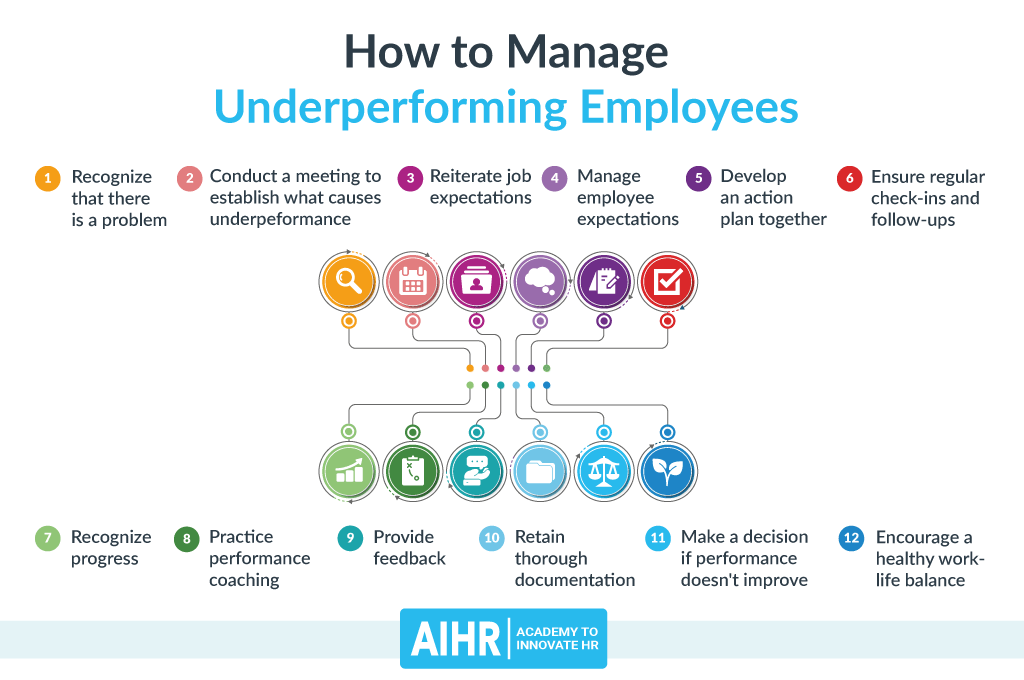
Dealing with an underperforming employee can be a challenging task for any manager or supervisor. It is important to approach the situation with empathy and a desire to understand the underlying issues that may be causing the employee to underperform. One effective way to address the problem is by asking the right questions that can help identify the root causes and find potential solutions. In this article, we will provide a comprehensive list of questions for an underperforming employee that can help facilitate a constructive conversation and guide the path towards improvement.
Before diving into the list of questions, it is crucial to establish a supportive and non-confrontational environment. Remember, the goal is not to place blame but to understand the employee’s perspective and work together towards improvement. Be prepared to actively listen, provide feedback, and offer guidance throughout the conversation.
Now, let’s explore the following questions for an underperforming employee:
See these questions for an underperforming employee
- What do you think are the main challenges you are facing in your role?
- How do you prioritize your tasks and responsibilities?
- Are there any specific skills or knowledge gaps that you feel hinder your performance?
- What support or resources do you believe would help you improve your performance?
- Do you feel comfortable asking for help or seeking guidance?
- What motivates you in your work?
- Do you feel adequately recognized and rewarded for your efforts?
- Are there any external factors that might be affecting your performance?
- How do you manage your time and avoid distractions?
- What strategies do you employ to stay organized and meet deadlines?
- Have you received clear and actionable feedback on your performance?
- Are there any specific areas or tasks where you feel you excel?
- What goals or aspirations do you have for your career?
- How do you handle stress and pressure?
- Do you feel adequately challenged in your current role?
- What steps have you taken to improve your performance?
- Do you feel supported by your colleagues and the company as a whole?
- Are you satisfied with the level of communication within the team?
- What suggestions do you have for improving team collaboration?
- How do you handle feedback or criticism?
- Are there any personal circumstances that might be affecting your performance?
- What specific training or development opportunities would you like to pursue?
- How do you stay updated on industry trends and best practices?
- Are there any external commitments or responsibilities that might be impacting your work?
- What steps can we take to support your professional growth?
- Do you feel your workload is manageable?
- How do you prioritize your tasks when faced with multiple deadlines?
- Are there any specific challenges you face in working with your team or colleagues?
- What do you believe are your strengths and weaknesses?
- How do you handle setbacks or failures?
- Are there any areas where you feel you need additional training or guidance?
- What strategies do you employ to stay motivated and focused?
- How do you handle conflicts or disagreements within the team?
- Are there any specific tools or technologies that would help enhance your performance?
- What steps can we take to improve the work environment for you?
- Do you have any suggestions for improving our team’s productivity?
- How do you approach problem-solving and decision-making?
- Are there any specific goals or targets you feel are unrealistic or unattainable?
- What steps can we take to better align your role with your skills and interests?
- How do you handle feedback or criticism from clients or customers?
- Are there any changes or improvements you would like to see in your role?
- What steps can we take to better recognize and appreciate your contributions?
- How do you manage your workload during busy periods?
- Are there any training or development opportunities you feel you have been overlooked for?
- What steps can we take to improve your work-life balance?
Remember, each individual is unique, and their reasons for underperformance may vary. By asking these questions and actively engaging in a conversation, you can gain valuable insights into the employee’s situation and work towards finding effective solutions. Ultimately, the goal should be to support the employee’s growth and development while ensuring the success of the team and the organization as a whole.






