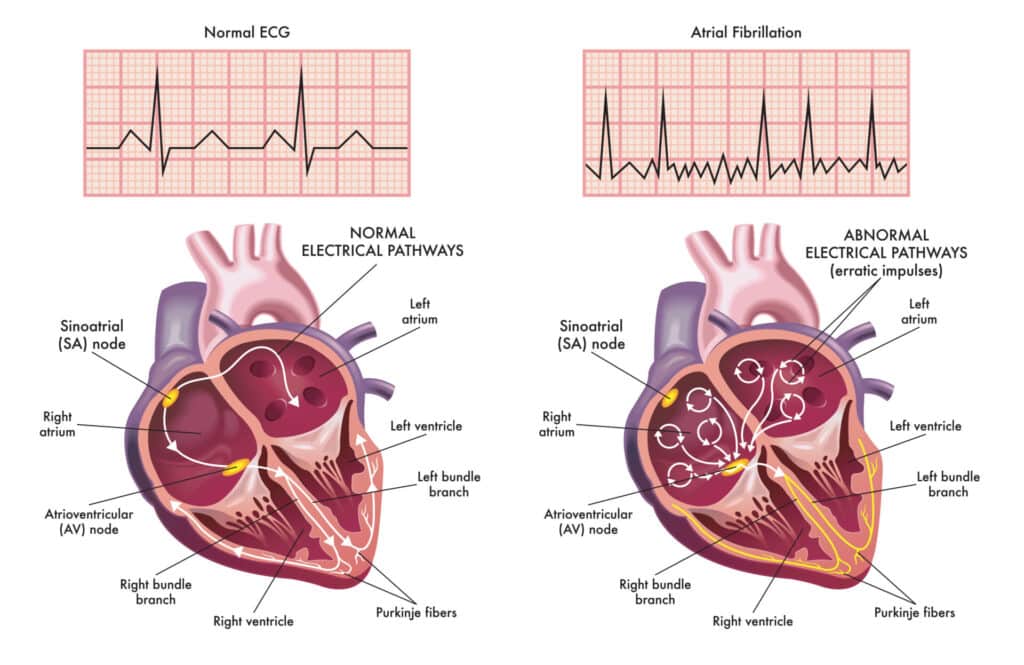
Atrial fibrillation, commonly known as Afib, is a condition characterized by an irregular heartbeat that can lead to various complications if left untreated. If you or a loved one has been diagnosed with Afib, it is crucial to consult with a cardiologist who specializes in this condition. However, it’s important to be prepared for your appointment and have a list of questions ready to ensure you get the most out of your visit. In this article, we have compiled a comprehensive list of questions for cardiologists about Afib to help you navigate your consultation effectively.
Before diving into the list of questions, it’s essential to understand that each individual’s case of Afib may differ, and the answers provided by your cardiologist might be specific to your situation. Therefore, it’s vital to consult with your healthcare professional for personalized advice and guidance.
Now, let’s explore these questions for cardiologists about Afib to empower you with knowledge and enable you to have an informed discussion with your healthcare provider.
See these questions for cardiologist about Afib:
What is atrial fibrillation (Afib), and how does it affect the heart?
What are the common symptoms of Afib?
What are the potential causes or triggers of Afib?
What tests are typically performed to diagnose Afib?
What are the different types of Afib?
How severe is my Afib, and what is my risk of complications?
What treatment options are available for Afib?
What is the goal of treatment for Afib?
What lifestyle changes can help manage Afib?
How often should I follow up with my cardiologist?
What medications are commonly prescribed for Afib?
What are the potential side effects of these medications?
Are there any alternative or complementary therapies that can help with Afib?
What is the role of anticoagulation therapy in Afib?
What are the potential risks and benefits of anticoagulant medications?
How can I reduce my risk of stroke if I have Afib?
Are there any dietary restrictions or recommendations for Afib patients?
Can stress or anxiety worsen Afib symptoms?
How can I manage stress and anxiety related to my Afib diagnosis?
What should I do if I experience a rapid or irregular heartbeat?
Can Afib be cured, or is it a lifelong condition?
What are the potential complications of Afib?
How can I monitor my heart rate and rhythm at home?
Should I be concerned about exercise or physical activity with Afib?
Can I travel with Afib?
What precautions should I take during air travel with Afib?
Can alcohol or caffeine consumption worsen Afib symptoms?
Is it safe to engage in sexual activity with Afib?
What should I do if I miss a dose of my Afib medication?
What are the warning signs of a potential heart attack in an Afib patient?
Are there any clinical trials or research studies for Afib that I may be eligible for?
Can I still drive if I have Afib?
What steps can I take to prevent Afib episodes?
How long does an Afib episode typically last?
What is the likelihood of Afib recurrence after treatment?
Is there a genetic component to Afib?
How can I support a loved one with Afib?
Are there any support groups or resources available for Afib patients?
What should I do if I have questions or concerns about my Afib treatment plan?
What are the signs of an emergency situation related to Afib?
What should I do if I experience severe chest pain or shortness of breath?
Can stress management techniques help reduce Afib symptoms?
What are the potential long-term effects of living with Afib?
How can I improve my overall heart health while managing Afib?
Remember, this list of questions is not exhaustive, and it is essential to personalize it according to your specific concerns and situation. Your cardiologist is your best resource for accurate advice and guidance on managing Afib.