
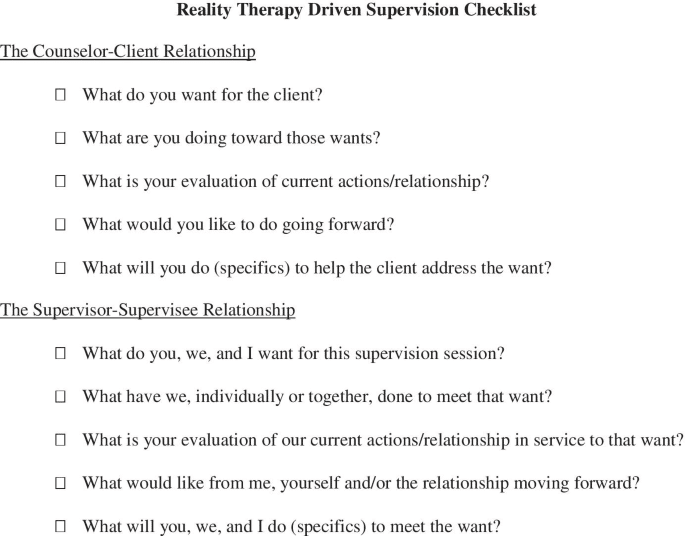
When seeking counselling supervision, it is essential to come prepared with the right questions. Supervision plays a crucial role in the development and growth of counsellors, allowing them to reflect on their work, gain insights, and improve their skills. Asking the right questions can help ensure a fruitful and meaningful supervision experience. In this article, we will explore some important questions for counselling supervision that can guide you in your professional journey.
Before we dive into the list of questions, it is important to note that supervision is a collaborative process. It is a space where you can explore your challenges, learn from your experiences, and gain new perspectives. The questions provided here are meant to spark reflection and facilitate a meaningful dialogue between you and your supervisor.
Now let’s explore some questions that can be helpful during counselling supervision:
See these questions for counselling supervision
- What are the key ethical considerations in my current caseload?
- How can I enhance my therapeutic alliance with clients?
- What strategies can I use to manage my own countertransference?
- What are some effective interventions for specific client populations?
- How can I improve my cultural competence in counselling?
- What self-care practices should I prioritize?
- What are some effective ways to address resistance in therapy?
- How can I better collaborate with other professionals involved in the client’s care?
- What are some ethical considerations when working with minors?
- What theoretical approaches can I integrate into my counselling practice?
- How can I assess and monitor my own professional development?
- What are some effective strategies for managing time and caseload?
- How can I ensure that I am practicing within my scope of competence?
- What techniques can I use to facilitate client goal setting?
- What are some best practices for documenting and maintaining client records?
- How can I address and manage the impact of vicarious trauma?
- What are some effective ways to engage clients in the therapeutic process?
- How can I incorporate feedback from clients into my practice?
- What are some considerations for working with diverse sexual orientations and gender identities?
- What resources and tools can I use to stay informed about the latest developments in the field?
- How can I ensure that my counselling practice is inclusive and affirming?
- What are some strategies for managing challenging and high-risk cases?
- How can I effectively address and manage ethical dilemmas?
- What are some ways to promote and advocate for mental health awareness?
- How can I integrate evidence-based practices into my counselling work?
- What are some strategies for building and maintaining professional boundaries?
- How can I effectively assess and manage client risk?
- What are some considerations for working with clients from different cultural backgrounds?
- What are some effective techniques for managing transference and countertransference?
- How can I ensure that I am providing culturally competent care?
- What are some strategies for self-reflection and self-awareness?
- How can I address and manage the impact of burnout in my counselling practice?
- What are some best practices for engaging in interdisciplinary collaboration?
- What are some strategies for building trust and rapport with clients?
- How can I effectively assess and manage client safety?
- What are some ways to incorporate feedback from supervision into my practice?
- What are some considerations for working with clients with diverse religious and spiritual beliefs?
- How can I ensure that my practice is trauma-informed?
- What are some strategies for managing confidentiality and information sharing?
- How can I effectively address and manage boundaries in therapy?
- What are some techniques for facilitating client empowerment and autonomy?
- How can I ensure that I am providing person-centered care?
These questions are just a starting point for your counselling supervision journey. Remember, supervision is an ongoing process, and it is important to continually reflect on your practice, seek feedback, and engage in professional development. Utilize these questions to guide your discussions and deepen your understanding of yourself as a counsellor.






