
When it comes to cross-examination in criminal cases, asking the right questions is crucial to uncovering the truth and presenting a strong defense. Cross-examination is an art that requires careful preparation and strategic questioning. The goal is to challenge the credibility and reliability of witness testimony and expose inconsistencies or biases. By doing so, the defense can cast doubt on the prosecution’s case and provide alternative explanations for the events in question. In this article, we will explore some essential questions for cross-examination in criminal cases.
Before we delve into the specific questions, it’s important to note that cross-examination should be tailored to the unique circumstances of each case. The questions listed below are meant to serve as a starting point and should be adapted and expanded upon to fit the specific facts and issues at hand. Additionally, cross-examination should be conducted with respect and professionalism, as aggressive or hostile questioning can backfire and alienate the jury.
Now, let’s dive into the questions that can be asked during cross-examination in criminal cases:
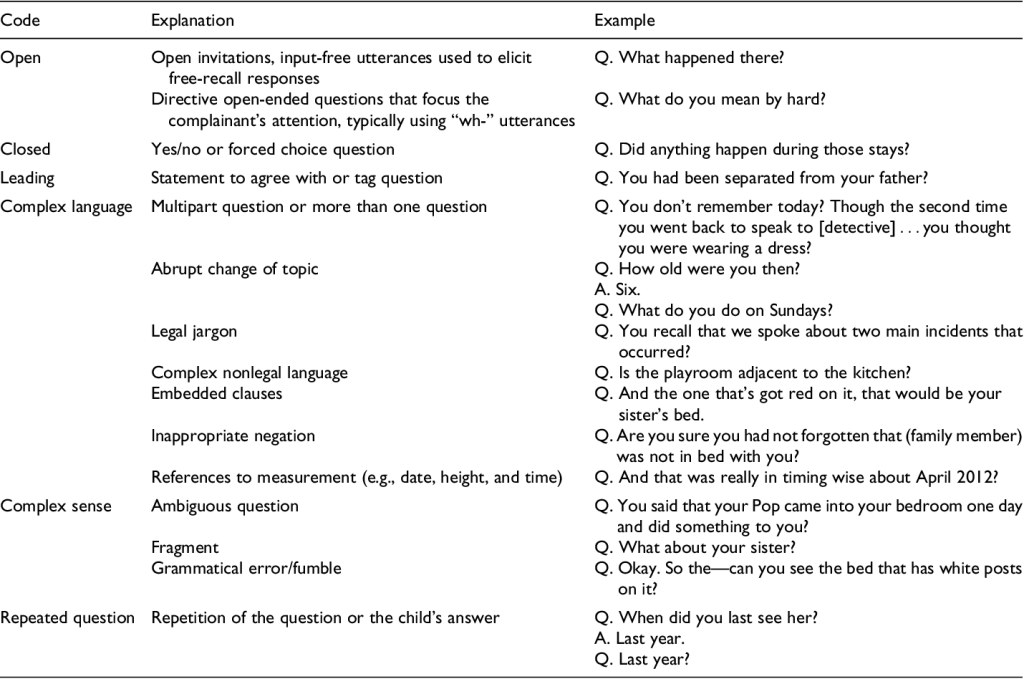
See these questions for cross examination in criminal cases
- Did you witness the incident in question?
- What were your vantage point and distance from the incident?
- Were there any obstructions or distractions that could have affected your perception?
- How well do you know the defendant?
- Have you had any prior interactions with the defendant?
- Were you under the influence of drugs or alcohol at the time of the incident?
- How accurate is your memory of the events?
- Did you have any biases or preconceived notions about the defendant or the case?
- Were you able to clearly see and hear everything that happened?
- Were there any other witnesses present at the scene?
- Did you discuss the incident with other witnesses?
- Did you make any statements to the police at the time of the incident?
- Have you made any inconsistent statements about the incident?
- Did you have any motive to lie or fabricate evidence?
- Did you have a clear view of the defendant during the incident?
- Did you observe any weapons or dangerous objects involved in the incident?
- How well do you recall the sequence of events?
- Did you see anyone else who could have been responsible for the alleged crime?
- Were you wearing glasses or contacts at the time of the incident?
- Did you have any difficulty seeing or hearing what was happening?
- Did you see anyone else taking pictures or recording videos of the incident?
- Were you able to see the facial expressions of those involved?
- Did you notice any signs of aggression or hostility from the defendant?
- Were you able to clearly hear any conversations or statements made during the incident?
- Did you witness any actions by the defendant that could be interpreted as self-defense?
- Were you focused on the defendant or were you distracted by other factors?
- Did you have a clear view of the entire scene or were certain areas obstructed?
- Did you observe any signs of intoxication or impairment in the defendant?
- Were there any inconsistencies or contradictions in your previous statements?
- Did you have any biases or prejudices that could have influenced your perception?
- Were you able to see the defendant’s hands at all times during the incident?
- Did you witness any actions by the alleged victim that could be seen as aggressive?
- Were you able to accurately estimate the time duration of the incident?
- Did you have a clear view of any injuries sustained by those involved?
- Did you witness any actions by the defendant that could be interpreted as fear or panic?
- Were you aware of any ongoing conflicts or disputes between the defendant and the alleged victim?
- Did you observe any changes in the demeanor or behavior of those involved before or after the incident?
- Were you able to clearly see any objects or items exchanged or used during the incident?
- Did you witness any actions by the alleged victim that could be seen as provocation?
- Were you able to accurately judge the distance between the parties involved?
- Did you notice any signs of mental or emotional instability in the defendant?
- Were you able to clearly hear any verbal threats or insults exchanged?
- Did you observe any actions by the defendant that could be seen as attempts to de-escalate the situation?
- Were you aware of any previous criminal history or violent tendencies of the alleged victim?
These are just some examples of the questions that can be asked during cross-examination in criminal cases. The key is to carefully analyze the evidence and witness testimony and craft questions that challenge the prosecution’s case. By doing so, the defense can strengthen their position and increase the chances of a favorable outcome.






