
Evolution is a widely accepted scientific theory that explains the process of biological change over time. However, like any scientific theory, it is not without its unanswered questions and areas of ongoing debate. These questions help drive scientific inquiry and push the boundaries of our understanding. In this article, we will explore some of the most commonly asked questions for evolution.
One of the fundamental questions surrounding evolution is how life originated on Earth in the first place. While scientists have proposed several theories, such as the primordial soup theory or the panspermia theory, the exact process and mechanisms remain elusive. Understanding the origins of life is crucial to comprehending the subsequent processes of evolution.
Another intriguing question is the role of genetic mutations in driving evolutionary change. Mutations are random changes in the DNA sequence that can give rise to new traits. However, not all mutations are beneficial, and many can be harmful or have no effect. How do these genetic changes accumulate over time and lead to the diversity of life we see today? This question continues to be an active area of research.
See these questions for evolution
- How did the first single-celled organisms arise?
- What caused the Cambrian explosion, a period of rapid diversification of complex organisms?
- How did complex organs like the eye evolve?
- What drives the development of new species?
- Why do some species evolve rapidly while others remain relatively unchanged?
- What is the role of environmental factors in driving evolution?
- Are humans still evolving?
- How do species adapt to changing climates?
- How does sexual selection influence evolution?
- Why do some traits disappear over time?
- What is the role of epigenetics in evolution?
- How do viruses evolve?
- What is the molecular basis of evolution?
- Can evolution explain the origin of consciousness?
- How did plants evolve to photosynthesize?
- Why do some species go extinct while others survive?
- What is the relationship between evolution and development?
- How do social behaviors evolve?
- What drives convergent evolution, where unrelated species develop similar traits?
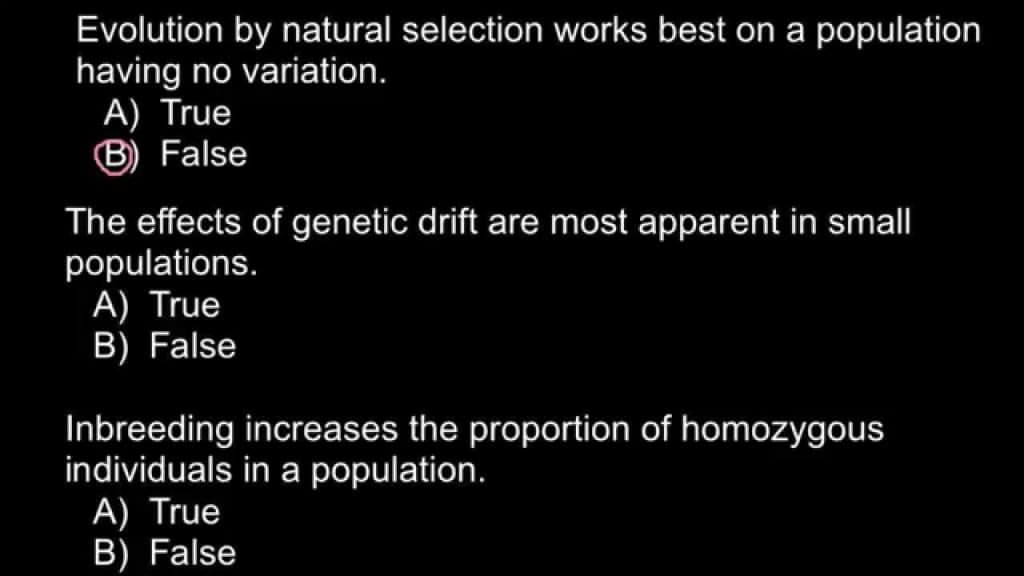
- How does genetic drift impact evolution?
- What is the role of gene flow in shaping populations?
- Did life evolve on other planets?
- How do symbiotic relationships evolve?
- What is the role of natural selection in shaping traits?
- How does evolution explain the diversity of life in the ocean?
- Why do some species have vestigial organs?
- How does evolution explain the development of antibiotic resistance?
- What is the relationship between evolution and human behavior?
- How does evolution explain the complexity of the human brain?
- Are there limits to evolution?
- Why do some species exhibit altruistic behaviors?
- Can evolution explain the origin of language?
- How does evolution impact the spread of diseases?
- What is the role of coevolution in shaping ecological relationships?
- How does evolution explain the diversity of plant species?
- Why do some animals have unique reproductive strategies?
- What is the role of mutation rates in evolution?
- How does evolution explain the development of flight in birds?
- Why do some species exhibit sexual dimorphism?
- What is the relationship between evolution and aging?
- How do species adapt to new environments?
- What is the role of hybridization in evolution?
- How does evolution explain the development of venomous animals?
These are just a handful of the many questions that scientists are actively exploring in the field of evolution. By continuing to ask questions and seek answers, we can deepen our understanding of the complex processes that have shaped life on Earth.






