
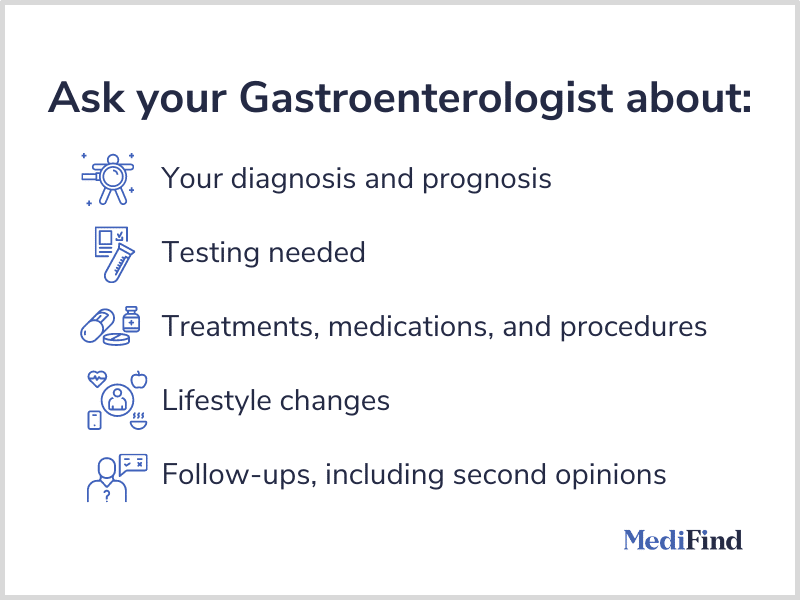
When it comes to our digestive health, consulting a specialist can provide valuable insights and guidance. Gastroenterologists are medical doctors who specialize in diagnosing and treating conditions affecting the gastrointestinal tract, including the esophagus, stomach, intestines, liver, and pancreas. Whether you’re experiencing digestive issues or simply want to stay proactive about your health, asking the right questions during your appointment is essential.
In this article, we will provide you with a comprehensive list of questions to ask your gastroenterologist. By being prepared with these questions, you can ensure that you receive the most relevant information and address any concerns you may have. Remember, an open and honest conversation with your gastroenterologist is the key to effective diagnosis and treatment.
Before we delve into the list of questions, it is important to note that these questions are meant to serve as a guide. Your individual situation may require additional or specific questions tailored to your needs. Now, let’s take a look at some common questions that you can ask your gastroenterologist.
See these questions for gastroenterologist
- What diagnostic tests do you recommend for my condition?
- What are the potential causes of my symptoms?
- What lifestyle changes can I make to improve my digestive health?
- What treatment options are available for my condition?
- Are there any alternative therapies or complementary treatments that may help?
- What are the potential risks and benefits of the recommended treatment?
- How long will it take for me to see improvements in my symptoms?
- What should I do if my symptoms worsen or fail to improve?
- How often should I schedule follow-up appointments?
- Are there any dietary restrictions or guidelines I should follow?
- Can you provide me with information or resources about my condition?
- What are the warning signs or red flags that I should watch out for?
- What can I do to prevent future flare-ups or complications?
- Are there any support groups or organizations that can provide additional help?
- Can stress or emotional factors contribute to my symptoms?
- What are the long-term effects of my condition?
- Are there any clinical trials or research studies that I could participate in?
- What should I do if I experience side effects from medications?
- Can you recommend any probiotics or supplements for my digestive health?
- What are the signs of a gastrointestinal emergency that requires immediate attention?
- Could my symptoms be related to a different underlying condition?
- What are the potential complications of my condition if left untreated?
- How can I manage my symptoms while waiting for test results?
- What lifestyle modifications can I make to reduce my risk of developing other gastrointestinal conditions?
- What are the common triggers for flare-ups in my condition?
- Do I need to make any changes to my current medications?
- What steps can I take to improve my digestive health overall?
- Is it safe to continue exercising or participating in physical activities with my condition?
- Are there any specific foods or drinks that I should avoid?
- What are the potential side effects of the prescribed medication?
- Can you explain the procedure or test that you are recommending?
- What are the potential complications of the recommended procedure or surgery?
- Is there anything I can do to manage pain or discomfort associated with my condition?
- What are the signs of a gastrointestinal infection and how can I prevent it?
- Can you provide me with a second opinion or referral to another specialist, if necessary?
- What are the dietary guidelines for someone with my condition?
- How can I maintain a healthy gut microbiome?
- What are the potential side effects of long-term medication use for my condition?
- What are the signs that my condition is improving?
- Can you explain the potential complications of untreated acid reflux?
- Are there any non-invasive treatment options available for my condition?
- What are the potential causes of my chronic diarrhea?
- Can you recommend any lifestyle modifications to reduce my risk of developing colorectal cancer?
Remember, this list is just a starting point. Feel free to add or modify these questions based on your specific needs and concerns. By asking the right questions, you can actively participate in your own healthcare and make informed decisions about your digestive health.






