
Visiting a gynecologist can sometimes be an intimidating experience for many women. It is important to remember that gynecologists are professionals who are there to help you maintain your reproductive health and answer any concerns you may have. To make the most out of your visit, it is essential to be prepared with a list of questions that you may want to ask your gynecologist. In this article, we have compiled a comprehensive list of questions for gynecologists that you can refer to before your next appointment.
Asking questions during your gynecologist appointment is crucial to ensure that you receive the information and guidance you need. It is natural to have questions about your reproductive health, contraception, or any specific concerns you may have. By discussing these concerns with your gynecologist, you can gain a better understanding of your body and take necessary steps to maintain your overall well-being.
Remember, your gynecologist is there to provide you with the best care possible. Building a trusting and open relationship with your gynecologist can help make these appointments more comfortable and productive. So, without further ado, let’s dive into the list of questions for gynecologists that you can consider asking during your next visit.
See these questions for gynecologist
- What is the best contraception method for me?
- What are the potential side effects of birth control pills?
- What should I do if I miss a birth control pill?
- How can I manage premenstrual syndrome (PMS) symptoms?
- What are the signs and symptoms of an ovarian cyst?
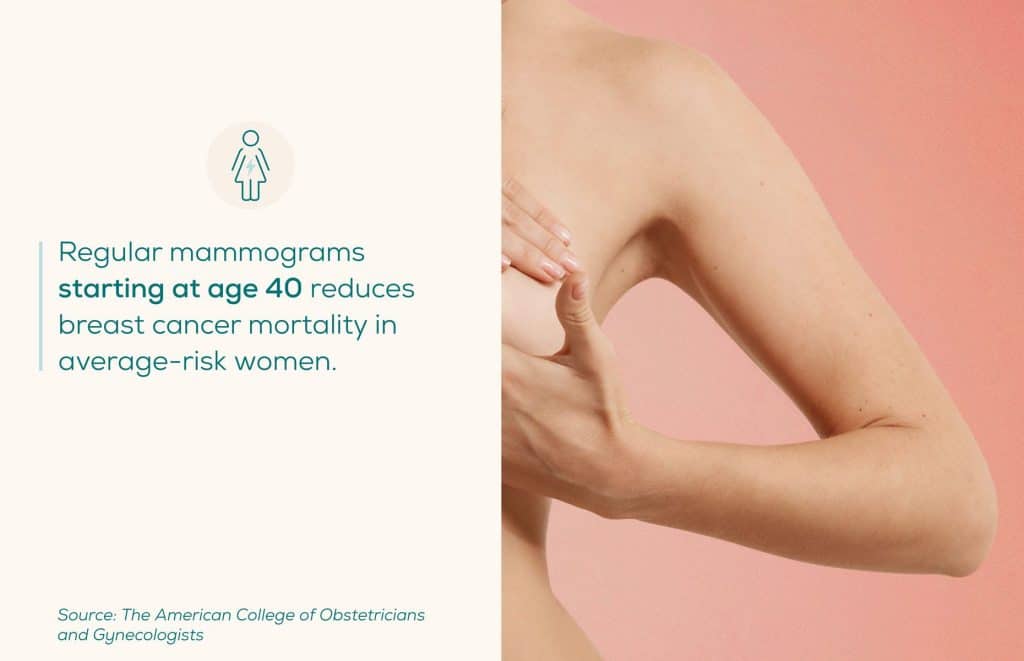
- What is the recommended age to start getting mammograms?
- How often should I get a Pap smear?
- What are the potential causes of abnormal vaginal bleeding?
- What are the signs and symptoms of menopause?
- How can I manage menopausal symptoms?
- What are the risks and benefits of hormone replacement therapy?
- What can I do to improve my fertility?
- What are the potential causes of infertility?
- What are the signs and symptoms of a urinary tract infection?
- How can I prevent urinary tract infections?
- What are the potential risks of having multiple sexual partners?
- What can I do to prevent sexually transmitted infections?
- What should I do if I experience pain during intercourse?
- What are the signs and symptoms of endometriosis?
- How is endometriosis diagnosed and treated?
- What are the potential risks and benefits of a hysterectomy?
- How can I manage symptoms of polycystic ovary syndrome (PCOS)?
- What are the potential complications of PCOS?
- What is the recommended age to start getting mammograms?
- How often should I get a breast exam?
- What are the signs and symptoms of cervical cancer?
- What is the recommended age to get the HPV vaccine?
- What can I do to prevent vaginal infections?
- What are the potential risks of using douches?
- How can I manage symptoms of menorrhagia (heavy menstrual bleeding)?
- What are the potential causes of irregular periods?
- What is the recommended age to start getting mammograms?
- How often should I get a pelvic exam?
- What are the signs and symptoms of ovarian cancer?
- What can I do to reduce the risk of ovarian cancer?
- What are the potential risks and benefits of an IUD?
- How can I manage symptoms of vulvodynia?
- What are the potential causes of vaginal dryness?
- What can I do to improve my sexual health?
- What are the potential risks and benefits of tubal ligation?
- How can I manage symptoms of premenstrual dysphoric disorder (PMDD)?
- What are the potential causes of chronic pelvic pain?
- What can I do to relieve menstrual cramps?
Remember, this list serves as a starting point to help you prepare for your appointment. Feel free to add any additional questions that are specific to your situation or concerns. Open and honest communication with your gynecologist is key to maintaining your reproductive health, so don’t hesitate to speak up and ask any questions you may have.






