
When it comes to women’s health, consulting a gynecologist is of utmost importance. Whether you are scheduling your first appointment or have been seeing a gynecologist for years, it is important to be prepared with a list of questions to ensure you get the most out of your visit. Asking the right questions can help you gain a better understanding of your body, address any concerns, and make informed decisions about your health. In this article, we have compiled a comprehensive list of questions for gyno that you can refer to during your next visit.
It is crucial to remember that every woman’s health concerns are unique, and therefore, you may have specific questions that are not listed here. However, this list will serve as a helpful starting point to guide your conversation with your gynecologist. Remember, there is no such thing as a “silly” or “embarrassing” question when it comes to your health. Your gynecologist is there to provide you with the necessary information and support, so don’t hesitate to ask anything that’s on your mind.
Before diving into the list of questions, it is important to note that each woman’s age, medical history, and lifestyle may influence the specific questions they should ask their gynecologist. The following questions are intended to cover a broad range of topics, but it is always advisable to tailor them to your individual circumstances.
See these questions for Gyno
- What is the recommended age to start getting regular gynecological check-ups?
- What are the most effective methods of contraception?
- What are the potential risks and benefits of hormone replacement therapy?
- What are the symptoms of common gynecological conditions like endometriosis or polycystic ovary syndrome?
- What steps can I take to maintain good vaginal health?
- How often should I be doing breast self-exams?
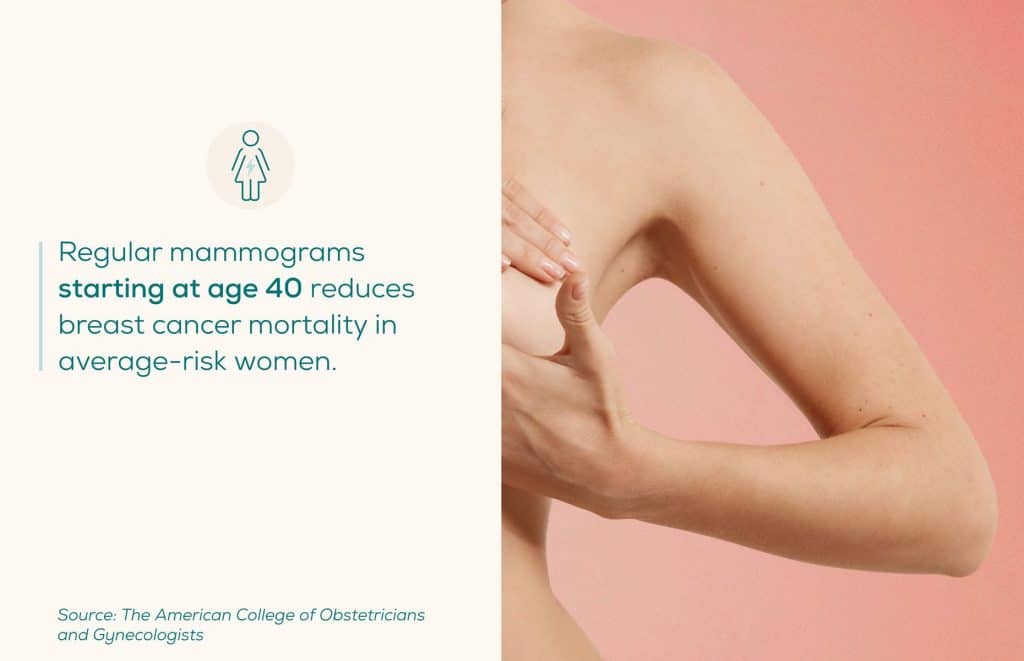
- When should I start getting mammograms?
- What are the signs and symptoms of cervical cancer?
- How often should I get a Pap smear?
- What can I do to relieve menstrual cramps?
- What are the treatment options for heavy or irregular periods?
- What are the potential risks and benefits of hormone-based birth control methods?
- What can I do to prevent urinary tract infections?
- What is the recommended age to start screening for sexually transmitted infections?
- What are the common symptoms of menopause?
- What are the treatment options for menopausal symptoms?
- What is the recommended frequency for pelvic exams?
- What are the potential side effects of common gynecological medications?
- What lifestyle changes can I make to improve my fertility?
- What are the signs of ovarian cysts?
- What are the potential risks and benefits of tubal ligation?
- What should I do if I experience pain during intercourse?
- What are the potential side effects of hormonal intrauterine devices?
- What are the treatment options for urinary incontinence?
- What are the potential risks and benefits of sterilization procedures?
- What are the signs and symptoms of a yeast infection?
- What are the potential risks and benefits of endometrial ablation?
- What are the signs and symptoms of pelvic inflammatory disease?
- What are the potential risks and benefits of hysterectomy?
- What can I do to prevent sexually transmitted infections?
- What are the potential risks and benefits of contraceptive implants?
- What are the treatment options for fibroids?
- What are the potential risks and benefits of oophorectomy?
- What are the signs and symptoms of an ectopic pregnancy?
- What are the potential risks and benefits of uterine artery embolization?
- What are the treatment options for vaginal dryness?
- What are the potential risks and benefits of myomectomy?
- What are the signs and symptoms of a urinary tract infection?
- What are the potential risks and benefits of colposcopy?
- What are the treatment options for ovarian cancer?
- What are the potential risks and benefits of chemotherapy?
- What are the signs and symptoms of bacterial vaginosis?
- What are the potential risks and benefits of radiation therapy?
Remember, these questions for gyno are just a starting point. Feel free to add any additional questions that are specific to your concerns or health history. Your gynecologist will appreciate your proactive approach and will be more than willing to address them during your visit. Prioritize your health and ensure that you receive the information and support you need to make informed decisions about your well-being.






