
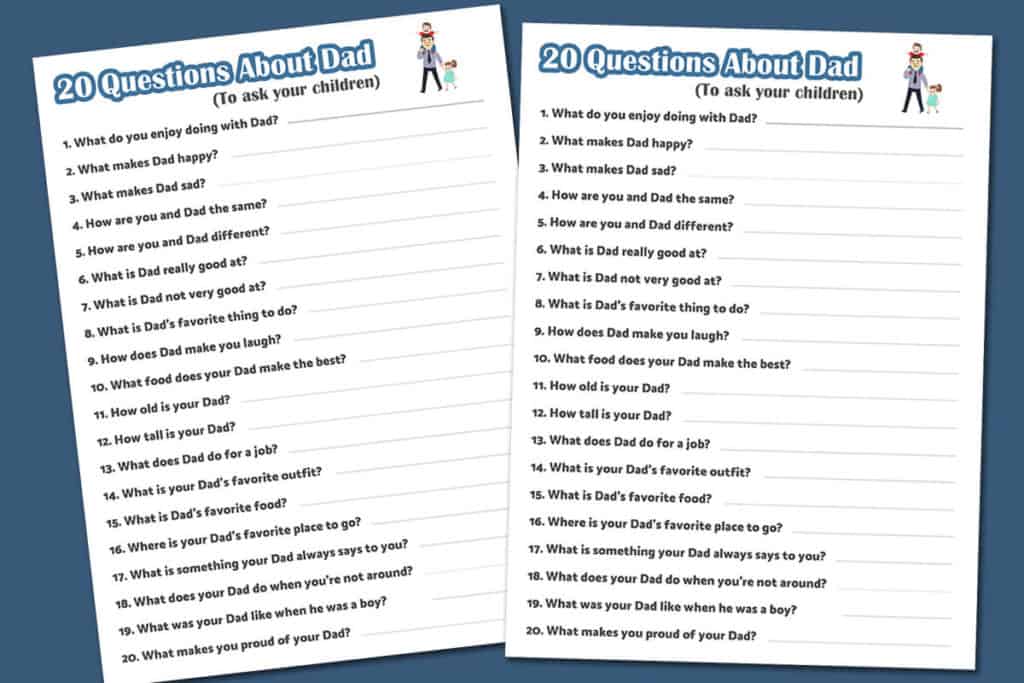
Children are naturally curious about the world around them, and their parents play a crucial role in shaping their understanding of life. As kids grow and develop, they often have questions about their parents and their role in their lives. Answering these questions can foster a deeper bond between parents and children, and provide kids with a sense of security and understanding. In this article, we have compiled a comprehensive list of questions that kids might have about their parents.
Parents are the most important people in a child’s life. They provide love, care, and guidance, and are there to support their children through thick and thin. Kids often wonder about their parents’ thoughts, feelings, and experiences. By asking questions, children can gain insight into their parents’ lives and learn valuable lessons. Encouraging open and honest communication can help parents and kids build trust and develop a stronger connection.
Whether you are a parent or a child, these questions can serve as a starting point for meaningful conversations. Remember, the key is to listen attentively and respond with empathy and understanding. Let’s explore some of the questions that kids might have about their parents:
See these questions for kids about parents
- Why did you choose to be a parent?
- What was your favorite childhood memory?
- What is your favorite thing about being a parent?
- How did you feel when you found out you were going to be a parent?
- What are your hopes and dreams for me?
- What do you think is the most important quality for a parent to have?
- How do you balance work and family life?
- What are some of the challenges you face as a parent?
- What do you enjoy doing together as a family?
- How do you show your love for me?
- What are your favorite traditions that we have as a family?
- What are some of the things you learned from your own parents?
- How do you handle disagreements or conflicts with me?
- What values do you want to instill in me?
- What do you think is the hardest part of being a parent?
- What are your hopes for our future as a family?
- How do you make important decisions for our family?
- What are your favorite qualities about me?
- What do you wish you could do more of as a parent?
- How do you handle stress as a parent?
- What do you think is the most important lesson you’ve taught me?
- What are your goals for our family?
- What do you think is the most challenging part of raising a child?
- What do you want me to remember most about you?
- What advice do you have for me when I become a parent?
- How do you show your appreciation for me?
- What are your favorite memories of us together?
- What do you want me to know about your own childhood?
- How do you handle mistakes or failures as a parent?
- What do you think is the most important thing I can learn from you?
- What do you enjoy most about being a parent?
- What do you think is the key to a strong parent-child relationship?
- What are your dreams for me?
- How do you make me feel safe and loved?
- What are your favorite activities to do with me?
- What do you think is the most rewarding part of being a parent?
- What do you want me to know about your own parents?
- How do you encourage me to pursue my passions and interests?
- What do you think is the most important thing for me to remember about our family?
- What do you do to take care of yourself as a parent?
- What do you think is the most important lesson I’ve taught you?
- What are your hopes and dreams for yourself as a parent?
- How do you handle difficult parenting moments?
- What do you think is the most important thing I can do to make you proud?
These questions are just a starting point for conversations between kids and parents. Each family is unique, and there may be additional questions that arise based on personal experiences and circumstances. By fostering open and honest communication, parents can create a safe space for children to ask questions and learn more about their parents. Remember, the goal is to strengthen the parent-child bond and create a supportive and loving family environment.






