
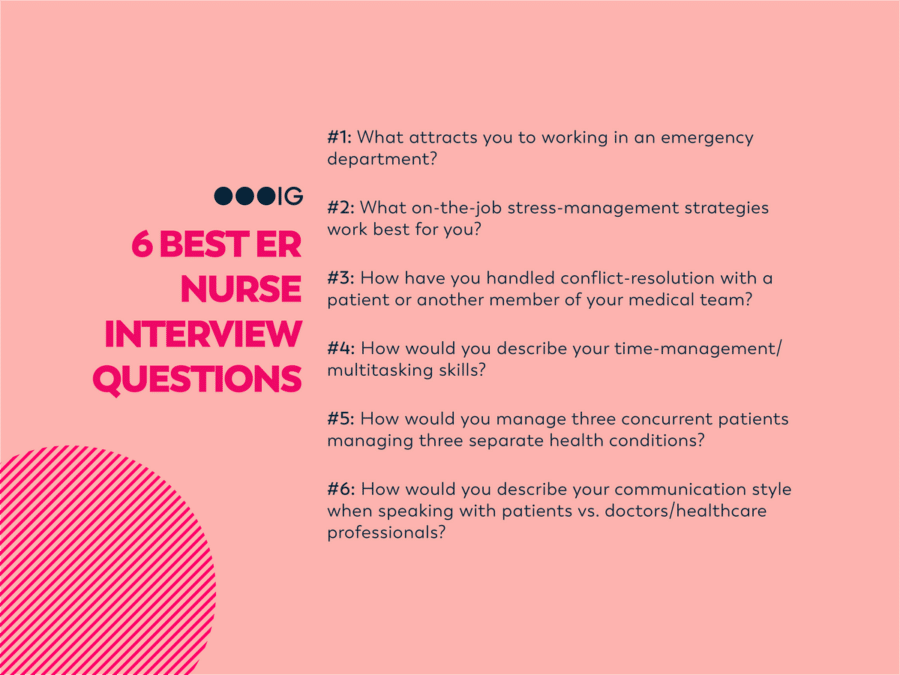
When it comes to our health, it’s important to have all the necessary information to make informed decisions. Whether you are visiting a doctor for a routine check-up or seeking treatment for a specific condition, having a list of questions prepared can help ensure that you get the most out of your appointment. In this article, we have compiled a comprehensive list of questions for medical professionals to help you navigate your healthcare journey.
Before diving into the list, it’s crucial to remember that every individual’s healthcare needs are unique. These questions are meant to serve as a starting point and can be tailored to your specific situation. It’s always a good idea to consult with a medical professional to address any concerns or conditions you may have.
Now, let’s explore some essential questions for medical professionals that can help you better understand your health:
See these questions for medical professionals
- What are the potential causes of my symptoms?
- What tests or procedures should I undergo to diagnose my condition?
- What are the treatment options available for my condition?
- Are there any lifestyle changes I can make to improve my health?
- What are the potential risks and benefits of the proposed treatment?
- Are there any alternative treatment options I should consider?
- How long will it take for me to recover?
- What are the potential complications associated with my condition?
- What should I do if my symptoms worsen?
- Will I need any follow-up appointments or tests?
- What can I do to prevent the recurrence of my condition?
- Can you explain the side effects of the prescribed medication?
- Are there any potential interactions between my current medications?
- What can I do to manage the side effects of my medication?
- How can I track my progress and monitor the effectiveness of my treatment?
- What lifestyle modifications can help improve my overall well-being?
- Are there any resources or support groups available for patients with my condition?
- What should I do in case of a medical emergency?
- What are the warning signs that indicate I should seek immediate medical attention?
- How can I best manage my chronic condition?
- Are there any specific dietary recommendations for my condition?
- What are the potential long-term effects of my condition?
- Can you provide me with additional educational materials or reliable sources of information?
- What are the qualifications and experience of the medical professional treating me?
- Are there any clinical trials or research studies I can participate in?
- What should I do if I have concerns about my treatment plan?
- Can you explain the benefits and risks of surgical intervention?
- How can I manage my pain effectively?
- What steps can I take to improve my mental health?
- What are the recommended screenings or vaccinations based on my age and medical history?
- Can you provide me with a second opinion?
- How can I ensure that I am receiving the highest quality of care?
- What can I do to reduce my risk of developing certain conditions?
- What are the potential side effects of anesthesia?
- How can I best prepare for a surgical procedure?
- What are the signs of infection after a procedure?
- What are the warning signs of a potential allergic reaction to medication?
- Are there any natural remedies or complementary therapies that can support my treatment?
- What are the potential risks and benefits of radiation therapy?
- What can I do to minimize the side effects of chemotherapy?
- Can you provide me with information on genetic testing for my condition?
- How can I best manage the emotional aspects of my diagnosis?
- What are the potential causes of my condition?
- Are there any clinical trials or experimental treatments available for my condition?
Remember, open communication with your medical professional is key to understanding your health and making informed decisions. These questions can guide your conversation and help you gain a better understanding of your condition, treatment options, and overall well-being.






