
Multiple Sclerosis (MS) is a complex neurological condition that affects millions of people worldwide. It is a chronic disease that affects the central nervous system, causing a range of symptoms that can vary from person to person. If you or someone you know has recently been diagnosed with MS, it is important to consult with a neurologist who specializes in this condition. To make the most of your appointment, it can be helpful to come prepared with a list of questions to ask your neurologist. In this article, we have compiled a comprehensive list of questions that you can use as a guide when meeting with your neurologist about MS.
It is important to remember that each person’s experience with MS is unique, and the questions you ask may vary depending on your specific situation. However, the following questions cover a wide range of topics that are commonly discussed during consultations with neurologists about MS.
Before diving into the list of questions, it is crucial to establish a good rapport with your neurologist. Building a trusting relationship will help ensure that you receive the best possible care and support. Now, let’s explore the questions you can ask your neurologist about MS.
See these questions for neurologist about MS:
- What are the specific symptoms of MS?
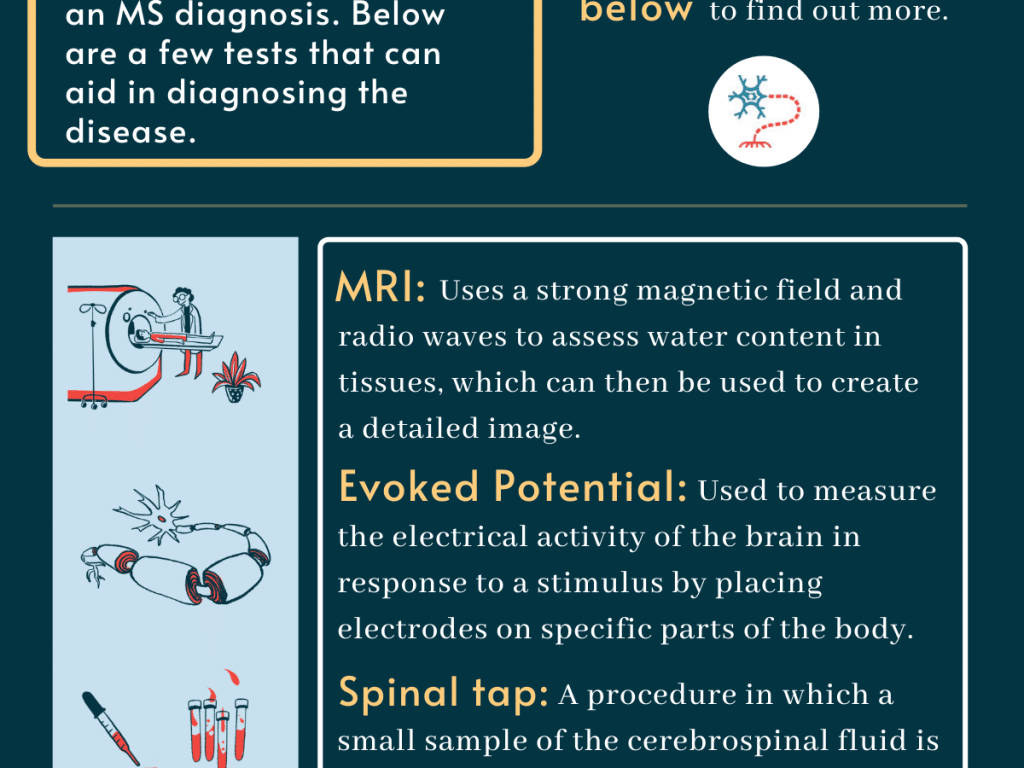
- What tests are typically used to diagnose MS?
- What are the different types of MS?
- What treatment options are available for MS?
- What are the potential side effects of MS medications?
- How can I manage my MS symptoms?
- Can MS affect my ability to work or participate in daily activities?
- What lifestyle changes can I make to improve my quality of life with MS?
- Are there any alternative or complementary therapies that may be beneficial for MS?
- What resources are available for support and education about MS?
- How often should I schedule follow-up appointments?
- What can I expect in terms of disease progression?
- What are the risk factors for developing MS?
- Are there any dietary changes that may help manage MS symptoms?
- What is the role of physical activity in managing MS?
- How can I best communicate with my healthcare team about my MS?
- Are there any clinical trials or research studies related to MS that I may be eligible for?
- What precautions should I take when traveling with MS?
- How can stress impact my MS symptoms?
- What are the long-term effects of MS?
- Can MS affect my fertility or pregnancy?
- Are there any specific vitamins or supplements that may be beneficial for MS?
- How can I manage bladder and bowel problems associated with MS?
- What are the potential complications of MS?
- Can MS affect my cognitive function?
- Are there any specific exercises or physical therapies that may be helpful for MS?
- What is the current research and advancements in MS treatment?
- Can MS increase the risk of other health conditions?
- How can I best manage MS-related fatigue?
- What are the warning signs of an MS relapse?
- How can I best manage pain associated with MS?
- Are there any support groups or online communities for people with MS?
- How can I best advocate for myself as a person with MS?
- Can MS affect my mental health?
- What is the role of physical therapy in managing MS symptoms?
- How can I best manage MS-related vision problems?
- What are the potential effects of MS on my relationships and social life?
- How can I best manage sleep disturbances associated with MS?
- What should I do if I experience a sudden worsening of symptoms?
- How can I best manage my emotions and mental well-being with MS?
- Are there any assistive devices or mobility aids that may be beneficial for MS?
- What are the potential effects of MS on my ability to drive?
- How can I best manage MS-related numbness and tingling?
- What is the outlook for someone with MS?
These questions are meant to serve as a starting point for your conversation with your neurologist about MS. Remember, it is essential to have open and honest communication with your healthcare provider to receive personalized advice and guidance based on your unique circumstances. By asking these questions, you can gain a deeper understanding of your condition and make informed decisions about managing your MS.






