
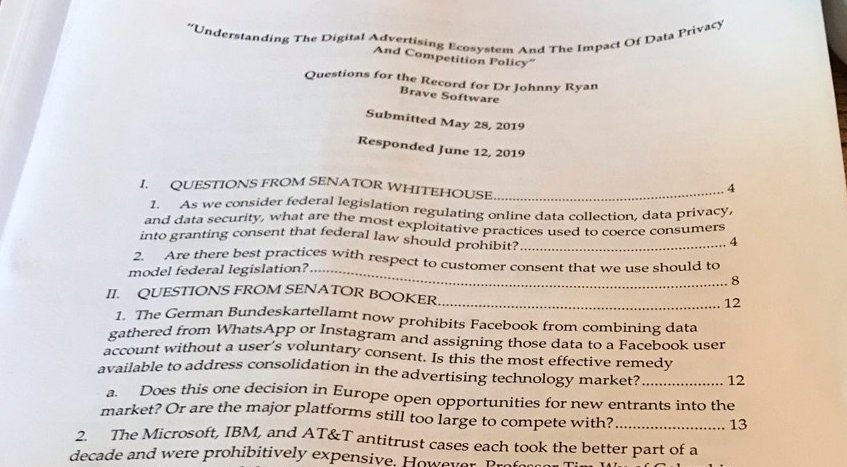
Senators play a crucial role in representing the interests and concerns of the citizens they serve. As elected officials, they have the power to shape legislation and make decisions that impact our daily lives. However, it is essential for us, as responsible citizens, to hold them accountable and ensure they are working in our best interests. One effective way to do this is by asking them relevant and thought-provoking questions. In this article, we will explore a comprehensive list of questions that can be asked to senators, covering a wide range of topics.
When engaging with senators, it is important to remember that they are public servants. Their primary duty is to serve the people and uphold democratic values. By asking questions, we can encourage transparency, demand accountability, and gain insights into their stance on various issues. So, whether you are attending a town hall meeting, participating in a public forum, or simply reaching out to your senator’s office, these questions can help you make the most of your interaction and make informed decisions as a voter.
See these questions for senators
Below is an extensive list of questions that can be asked to senators. These questions are categorized into different areas to cover a broad spectrum of concerns. Feel free to adapt them to suit your specific interests and the context of your conversation.
1. How do you plan to address the rising healthcare costs and ensure affordable access for all?
2. What measures will you support to combat climate change and promote sustainable energy sources?
3. How will you work towards reducing income inequality and promoting economic opportunities for all citizens?
4. What is your stance on immigration reform, and how do you plan to address the issue?
5. How will you ensure equal rights and protections for marginalized communities, including the LGBTQ+ community?
6. What steps will you take to improve the education system and make it more accessible and inclusive?
7. How do you plan to address the issue of gun violence and enact sensible gun control measures?
8. What is your stance on criminal justice reform, and how will you work towards creating a fair and unbiased system?
9. How will you protect and strengthen social security and Medicare for our aging population?
10. What is your strategy to address the ongoing opioid crisis and provide support for those affected?
11. How will you promote job creation and support small businesses in your state?
12. What actions will you take to ensure affordable housing options are available for all citizens?
13. How will you support veterans and ensure they receive the care and benefits they deserve?
14. What is your plan to improve infrastructure and address transportation issues in your state?
15. How do you plan to address the growing student loan debt crisis and make higher education more affordable?
16. What steps will you take to protect voting rights and ensure fair and secure elections?
17. How will you support and protect the rights of workers, including fair wages and labor rights?
18. What measures will you support to strengthen cybersecurity and protect against foreign threats?
19. How do you plan to address the challenges faced by rural communities and ensure equal access to opportunities?
20. What is your stance on campaign finance reform, and how will you work towards reducing the influence of money in politics?
And the list goes on…
Remember, these questions are just a starting point. Feel free to add more questions that align with your personal concerns and the issues that matter most to you. Asking thoughtful questions can help shape the dialogue, hold senators accountable, and ultimately contribute to a more transparent and responsive government.
In conclusion, engaging with senators through well-thought-out questions is an effective way to participate in the democratic process. By actively seeking information and demanding accountability, we can ensure that our voices are heard, our concerns are addressed, and our senators are working in the best interest of the people they represent. So, don’t hesitate to ask questions, get involved, and make a difference.






