
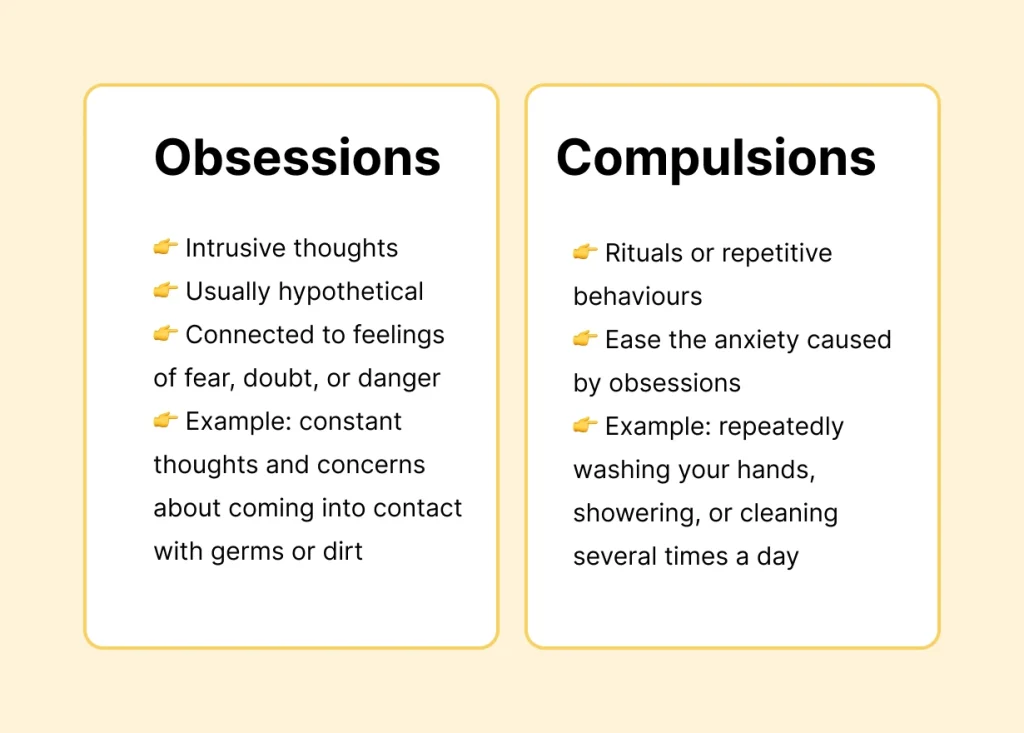
OCD, or Obsessive-Compulsive Disorder, is a mental health condition that affects millions of people worldwide. It is characterized by intrusive thoughts (obsessions) and repetitive behaviors (compulsions) that can significantly impact a person’s everyday life. If you know someone with OCD or are interested in learning more about the condition, it’s important to approach the topic with empathy and understanding. Asking questions can help foster open communication and provide insights into their experiences. In this article, we have compiled a list of questions that can be helpful when talking to someone with OCD.
It’s crucial to remember that everyone’s experience with OCD is unique, and not all questions may be appropriate or comfortable for every individual. Respect personal boundaries and be understanding if someone chooses not to answer certain questions. The goal is to create a safe and supportive environment where they feel comfortable sharing their thoughts and experiences.
Below, you will find a curated list of questions that can help you gain a better understanding of OCD and its impact:
See these questions for someone with OCD:
- When did you first realize that you might have OCD?
- What are some of the common obsessions you experience?
- How do these obsessions affect your daily life?
- Are there specific triggers that worsen your OCD symptoms?
- What are some of the compulsive behaviors you engage in?
- Have you sought professional help for your OCD?
- What treatment methods have you found helpful in managing your OCD?
- Do you have any coping mechanisms that help you during moments of distress?
- How do you handle situations where your OCD interferes with your relationships or work?
- Are there any misconceptions about OCD that you would like to address?
- What advice would you give to someone who suspects they might have OCD?
- How has OCD impacted your self-esteem and overall mental well-being?
- Are there any specific rituals or routines you follow to manage your OCD?
- Do you find it challenging to discuss your OCD with others?
- What are some ways in which loved ones can support individuals with OCD?
- Have you encountered any stigmatization or discrimination due to your OCD?
- Are there any triggers or situations that you actively avoid to prevent OCD symptoms?
- What are some misconceptions people often have about OCD?
- How do you explain your OCD to friends or family members who may not understand?
- What are some of the most common challenges you face because of your OCD?
- Are there any positive aspects or strengths that you believe your OCD has brought into your life?
- What are some strategies you use to prevent your obsessions from overwhelming you?
- How has OCD affected your sleep patterns?
- Do you have any advice for someone who wants to be supportive but doesn’t know how?
- What are some common misconceptions about OCD medications?
- Do you find that stress or anxiety exacerbates your OCD symptoms?
- How do you navigate the balance between seeking reassurance and enabling your OCD?
- What are some of the most challenging aspects of living with OCD?
- Are there any alternative therapies or practices that you have found helpful in managing your OCD?
- How do you handle intrusive thoughts that trigger your OCD?
- What are some strategies you use to stay focused and productive despite your OCD?
- Are there any specific techniques or exercises you practice to reduce anxiety caused by OCD?
- How has your understanding of OCD evolved over time?
- What are some common misconceptions about OCD treatment?
- Do you feel comfortable discussing your OCD with coworkers or employers?
- What are some resources or support networks that you have found valuable?
- How do you manage your OCD during times of increased stress or major life changes?
- What are some common challenges you face in therapy or treatment?
- Are there any specific accommodations or adjustments that you find helpful in managing your OCD in everyday life?
- How do you differentiate between a genuine concern and an OCD-related obsession?
- What are some of the most common myths or misconceptions about OCD that you encounter?
- How do you handle intrusive thoughts or compulsions in public settings?
- What are some ways in which society can better support individuals with OCD?
Remember, the questions listed above are just a starting point. It’s essential to approach conversations about OCD with empathy, patience, and respect. By asking thoughtful questions and actively listening, you can gain valuable insights into the experiences of someone with OCD and offer them the support they may need.






