
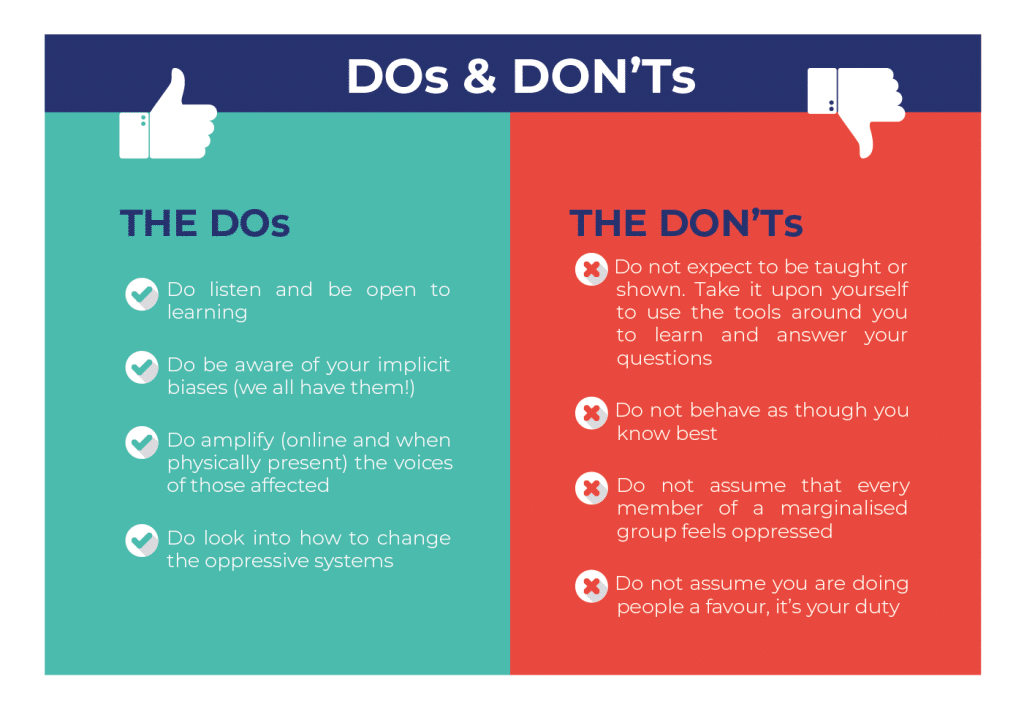
In today’s society, it is important to have open and honest conversations about race and privilege. As a white person, it is essential to reflect on our own experiences and acknowledge the systemic advantages we may have. By engaging in these discussions, we can foster understanding and work towards a more inclusive and equal society. This article aims to provide a list of questions for white people to contemplate and encourage self-reflection.
Before we proceed, it is crucial to approach these questions with an open mind and a willingness to learn. These inquiries are not meant to shame or attack, but rather to stimulate thought and encourage a deeper understanding of racial dynamics. By engaging in these self-reflective exercises, we can become better allies and contribute to dismantling systemic racism.
Remember, it is okay to feel uncomfortable or challenged during this process. Recognize that discomfort is a sign of growth. Let’s begin this journey towards self-reflection and understanding by exploring the following questions:
See these questions for white people
- How have your racial and ethnic background shaped your experiences and perspectives?
- Have you ever experienced or witnessed racial discrimination? If not, why do you think that is?
- What steps have you taken to educate yourself about the history and experiences of marginalized communities?
- How do you contribute to or challenge stereotypes and racial biases in your daily life?
- Have you ever been called out for a racially insensitive remark or action? How did you respond?
- What does it mean to be an ally to marginalized communities? How do you actively practice allyship?
- Do you believe that white privilege exists? Why or why not?
- How do you use your privilege to advocate for marginalized communities?
- Do you actively seek out diverse perspectives and voices in the media you consume?
- How do you respond when someone points out a racial bias or microaggression you may have committed?
- What steps have you taken to unlearn and challenge your own biases?
- How do you ensure that you are not perpetuating systemic racism in your personal and professional life?
- Can you name at least five influential figures from marginalized communities who have made significant contributions to society?
- How do you ensure that you are not appropriating or commodifying aspects of other cultures?
- Have you ever felt uncomfortable discussing race? If so, why do you think that is?
- What actions have you taken to support racial justice movements?
- How do you respond when someone challenges your privilege or points out a blind spot?
- Do you actively engage in conversations about race and privilege with your friends and family?
- What initiatives have you taken to diversify your social and professional circles?
- How do you ensure that you are not centering yourself in conversations about race?
- What steps have you taken to support and uplift voices from marginalized communities?
- Do you believe that affirmative action is necessary? Why or why not?
- How do you respond when someone suggests that racism is a thing of the past?
- What have you done to challenge racial disparities in your community?
- How do you educate yourself about the experiences and struggles faced by marginalized communities?
- Do you actively challenge racist policies and practices in your workplace or educational institution?
- What have you done to understand the impact of gentrification on marginalized communities?
- How do you amplify the voices of people from marginalized communities?
- What steps have you taken to confront your own biases and prejudices?
- Do you believe that racial profiling is a significant issue? Why or why not?
- How do you respond when someone suggests that race is not a factor in social and economic disparities?
- What have you done to ensure that your children are raised with an understanding of racial equality?
- How do you address racial inequality in your workplace or educational institution?
- Do you support and actively vote for policies that promote racial justice?
- What actions have you taken to support and uplift businesses owned by people from marginalized communities?
- How do you respond when someone suggests that reverse racism exists?
- What have you done to challenge the whitewashing of history in educational curriculums?
- Do you actively seek out and listen to the experiences and perspectives of people from marginalized communities?
- How do you hold yourself accountable for your own biases and actions?
- What have you done to challenge racial disparities in the criminal justice system?
- How do you respond when someone suggests that colorblindness is the solution to racism?
- What steps have you taken to support organizations and initiatives that fight for racial equality?
- Do you actively challenge the portrayal of marginalized communities in the media?
These questions are just a starting point for self-reflection and growth. By critically examining our own beliefs and actions, we can become more effective allies and contribute to a more inclusive and equitable society. Remember, this journey is ongoing, and it is essential to continue educating ourselves and listening to the voices of marginalized communities.






