
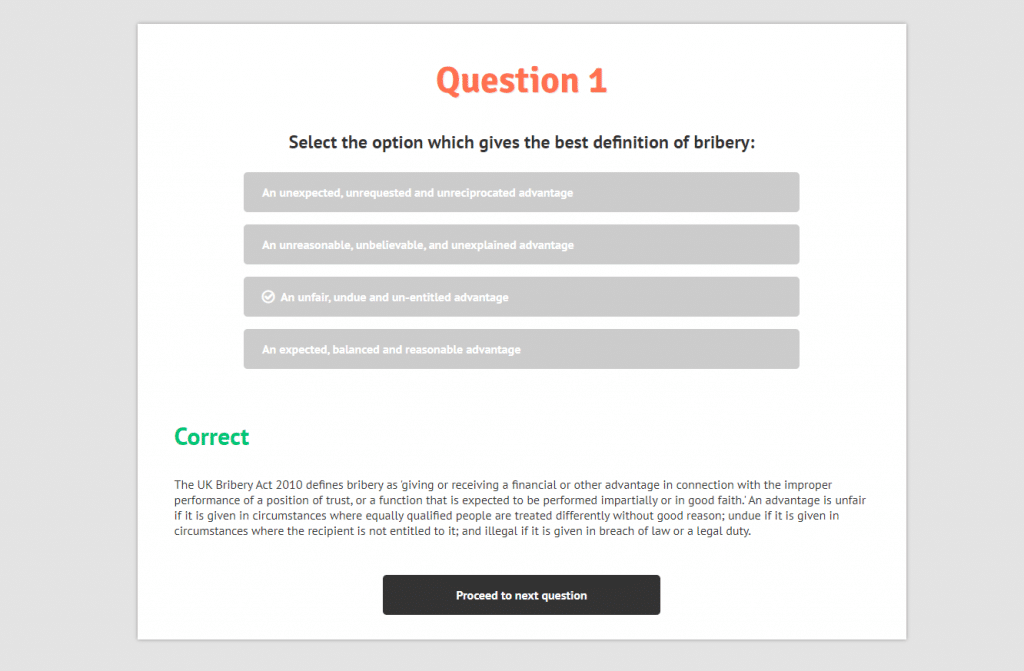
Questions on Corruption with Answers
Corruption is a widespread issue that affects societies all around the world. It undermines trust in public institutions, hinders economic development, and denies citizens their basic rights and services. In order to address this problem effectively, it is crucial to have a clear understanding of its causes, consequences, and potential solutions. In this article, we will explore some common questions on corruption and provide answers to help shed light on this complex issue.
One of the most frequently asked questions about corruption is, “What is corruption?” Corruption can be defined as the abuse of entrusted power for personal gain. It involves the misuse of public resources, bribery, embezzlement, nepotism, fraud, and other illicit activities. Corruption can occur in both the public and private sectors, and it can take various forms, including political corruption, bureaucratic corruption, and corporate corruption.
Another common question is, “What are the causes of corruption?” Corruption is a multifaceted problem with numerous underlying causes. Some of the main factors that contribute to corruption include weak institutions and governance, lack of transparency and accountability, low salaries and inadequate training for public officials, poverty and inequality, and a culture of impunity. These factors can create an environment in which corruption thrives and becomes deeply ingrained in society.
See these questions on corruption with answers
1. What are the different types of corruption?
2. How does corruption impact economic development?
3. What are the consequences of corruption on society?
4. How can corruption be detected and measured?
5. What are some successful strategies for combating corruption?
6. What is the role of civil society in fighting corruption?
7. How does corruption affect democracy?
8. What are the ethical implications of corruption?
9. What is the relationship between corruption and poverty?
10. How does corruption affect foreign investment?
11. What are the legal frameworks for combating corruption?
12. How does corruption impact the justice system?
13. What are the effects of corruption on public health?
14. How can whistleblowers help in exposing corruption?
15. What are the international efforts against corruption?
16. What is the role of the media in exposing corruption?
17. How does corruption affect education systems?
18. What are the consequences of corruption in the police force?
19. How can corruption be prevented in public procurement?
20. What are the consequences of corruption in the healthcare sector?
21. Are there any countries that have successfully reduced corruption?
22. How does corruption affect environmental sustainability?
23. What are the factors that contribute to political corruption?
24. How does corruption impact human rights?
25. What is the relationship between corruption and organized crime?
26. How does corruption affect the rule of law?
27. What are the challenges of prosecuting corrupt officials?
28. How does corruption impact the business environment?
29. What are the implications of corruption for gender equality?
30. How does corruption affect access to justice?
31. What are the consequences of corruption in the construction industry?
32. How does corruption impact foreign aid?
33. What are the effects of corruption on public trust?
34. How can technology be used to combat corruption?
35. What are the consequences of corruption in the banking sector?
36. How does corruption affect the electoral process?
37. What are the long-term effects of corruption on society?
38. How does corruption impact the tourism industry?
39. What are the consequences of corruption in the judiciary?
40. How can individuals contribute to the fight against corruption?
These are just a few of the many questions that arise when discussing corruption. By understanding the complexities of this issue and seeking effective solutions, we can work together to create a more transparent, accountable, and just society. It is only through collective efforts and a commitment to integrity that corruption can be effectively tackled and eliminated.






