
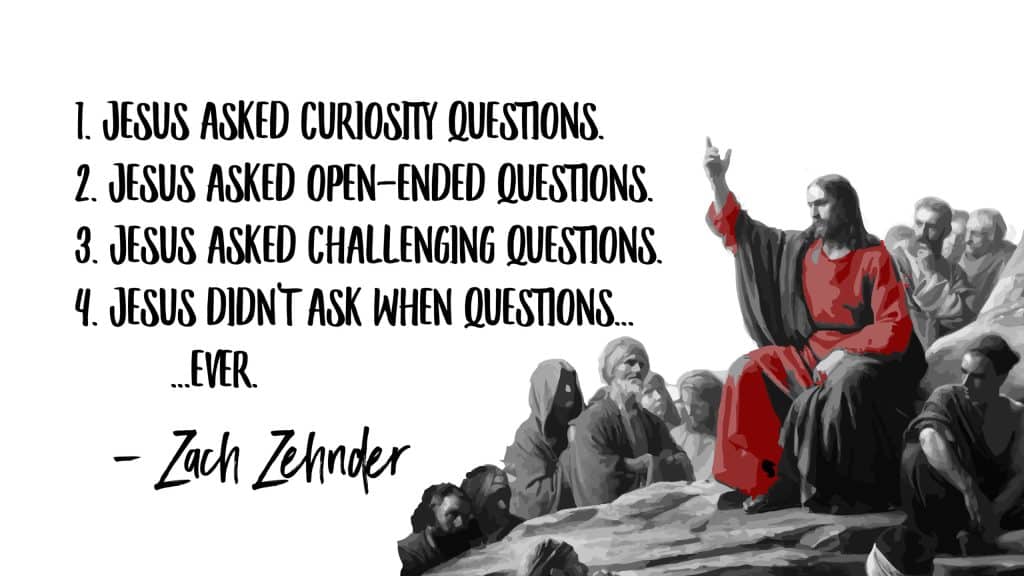
Christianity, one of the world’s largest religions, is not without its fair share of challenging questions. From skeptics to believers seeking a deeper understanding, these questions often serve as a catalyst for personal growth and strengthened faith. In this article, we will explore some of the most thought-provoking questions that challenge Christianity and spark meaningful discussions.
It is important to approach these questions with an open mind and a willingness to engage in respectful dialogue. While not all questions may have concrete answers, exploring them can lead to a deeper understanding of one’s own beliefs and foster a more robust faith.
So, let’s dive in and explore the questions that challenge Christianity:
See these questions that challenge Christianity
- Is the Bible a reliable source of historical information?
- Why does God allow suffering in the world?
- How can a loving God send people to hell?
- What about the existence of other religions?
- How do we reconcile the concept of a loving God with the portrayal of violence in the Old Testament?
- Why did Jesus have to die for our sins?
- If God is all-powerful, why doesn’t He prevent evil?
- How do we explain the presence of evil in a world created by a good God?
- What evidence is there for the resurrection of Jesus?
- How do we reconcile the scientific understanding of the world with the biblical account of creation?
- Why are there so many different interpretations of the Bible?
- Did Jesus really claim to be the Son of God?
- How do we explain the apparent contradictions and inconsistencies in the Bible?
- Why are there so many denominations within Christianity?
- Can we trust the miracles described in the Bible?
- What is the purpose of prayer if God already knows everything?
- How do we explain the concept of predestination?
- What about the problem of evil and suffering within the Church itself?
- Why is there a lack of scientific evidence for biblical events?
- How do we reconcile the concept of free will with God’s sovereignty?
- What about the role of women in Christianity?
- Does Christianity promote intolerance and discrimination?
- How do we explain the miracles and supernatural events in the Bible to a skeptical audience?
- What is the role of faith in Christianity?
- How can we have a personal relationship with an invisible God?
- Why do bad things happen to good people?
- How do we reconcile the concept of eternal punishment with a loving God?
- What is the nature of the Trinity?
- How do we explain the concept of original sin?
- Why does God sometimes seem distant and unresponsive?
- What is the significance of the crucifixion and resurrection of Jesus?
- How can we trust the authors of the New Testament?
- What is the role of the Church in society?
- How do we respond to the problem of religious hypocrisy?
- Why do some Christians reject scientific theories such as evolution?
- How do we reconcile the concept of divine foreknowledge with human free will?
- What is the purpose of baptism and communion?
- How do we explain the concept of heaven and hell?
- What is the role of the Holy Spirit in the life of a believer?
- How do we reconcile the concept of a loving God with the existence of natural disasters?
- What is the role of good works in salvation?
- How do we reconcile the concept of an all-knowing God with the idea of human decision-making?
- What is the significance of the virgin birth?
- How do we interpret the prophecies in the Bible?
These are just a few of the countless questions that challenge Christianity. It is essential to remember that questioning and seeking answers is a natural part of the human experience. By engaging in respectful dialogue and exploring these questions with an open mind, we can deepen our understanding of our own beliefs and foster a more meaningful faith journey.






