
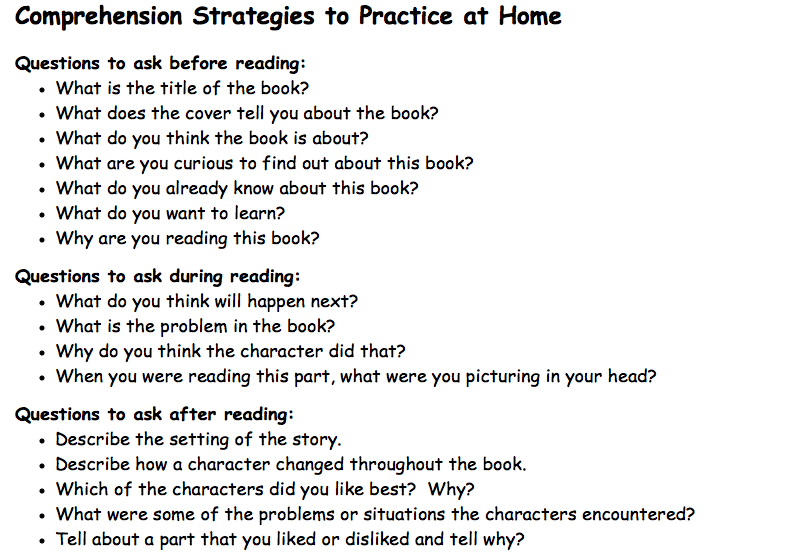
When reading a book, an article, or any written material, it is natural to have questions that arise in our minds. These questions can help us better understand the content, engage with the material, and delve deeper into the subject matter. Asking questions while reading not only enhances our comprehension but also promotes critical thinking and active learning. In this article, we will explore some common questions that can be asked when reading and how they can enhance our overall reading experience.
Asking questions when reading can help us make connections, analyze information, and challenge our own assumptions. It allows us to actively engage with the text and promotes a deeper understanding of the material. Questions can range from simple clarifications to more complex inquiries about the author’s intentions or the implications of the content. By asking questions, we become active participants in the reading process, rather than passive receivers of information.
Furthermore, questions can help us remember and retain information. When we actively seek answers to our questions, we are more likely to remember the information we have learned. This is because questioning stimulates our brain and enhances our cognitive processes. So, next time you find yourself reading a book or an article, don’t be afraid to ask questions and explore the content further.
See these questions when reading
- What is the main idea of the passage?
- What are the supporting details?
- What evidence does the author provide?
- What is the author’s purpose?
- What are the implications of the information presented?
- How does this information relate to what I already know?
- What are the different perspectives on this topic?
- What are the strengths and weaknesses of the argument?
- What assumptions does the author make?
- What are the key terms or concepts?
- What examples are provided?
- What are the causes and effects?
- What are the similarities and differences?
- What are the counterarguments?
- What are the implications for real-life situations?
- What are the potential solutions?
- What are the limitations of the research?
- What are the ethical considerations?
- What are the long-term consequences?
- What are the unanswered questions?
- What are the implications for future research?
- What are the implications for policy-making?
- What are the practical applications?
- What are the key takeaways?
- What are the possible interpretations?
- What are the different theories or explanations?
- What are the underlying assumptions?
- What are the potential biases?
- What are the alternative viewpoints?
- What are the controversies?
- What are the historical contexts?
- What are the cultural influences?
- What are the implications for society?
- What are the implications for my personal beliefs or values?
- What are the implications for my field of study or profession?
- What are the implications for future generations?
- What are the implications for global issues?
- What are the implications for environmental sustainability?
- What are the implications for social justice?
- What are the implications for economic development?
- What are the implications for technological advancements?
- What are the implications for personal growth and self-reflection?
These are just a few examples of the many questions that can be asked when reading. Remember, the more questions you ask, the more you engage with the material, and the more you learn. So, next time you sit down to read, be curious, be critical, and be ready to ask questions.






