
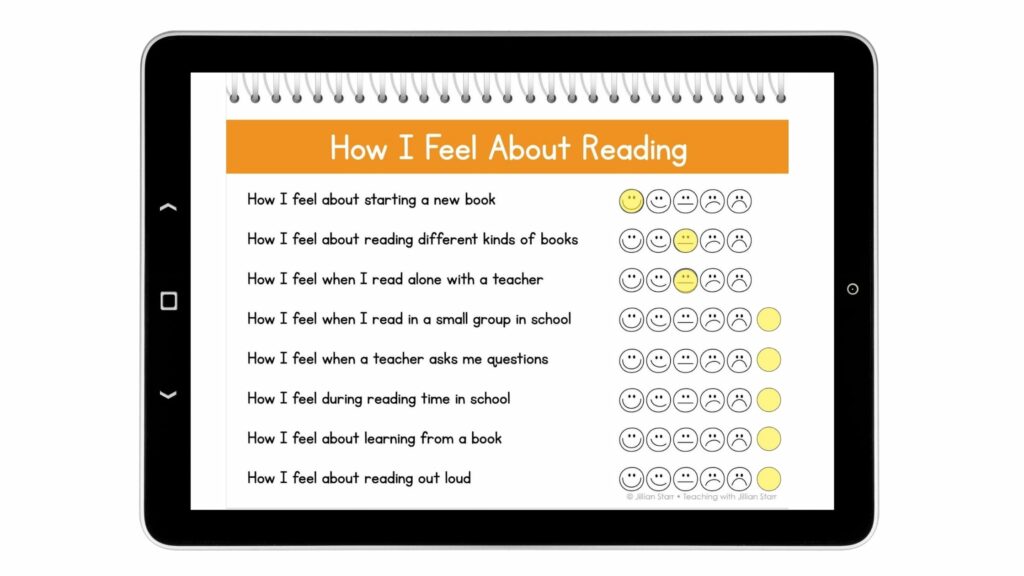
Keeping a reader response journal is an excellent way to engage with a text on a deeper level. It allows readers to reflect on their personal thoughts, feelings, and interpretations of the material. Journaling can enhance reading comprehension, critical thinking skills, and promote a deeper connection to the text. To get the most out of your reader response journal, here are some thought-provoking questions to consider.
As you read, consider these questions to guide your journaling experience. Reflect on the characters, themes, and emotions within the text. Take note of any significant moments or quotes that resonate with you. Remember, there are no right or wrong answers; the purpose is to encourage personal reflection and engagement.
So, grab your journal and pen, find a cozy spot, and embark on a journey of self-discovery and connection through literature!
See these reader response journal questions
- How did the main character change throughout the story?
- What personal experiences or memories does this text bring up for you?
- Were there any moments that surprised you? Why?
- What emotions did you feel while reading this text?
- Can you relate to any of the characters? Why or why not?
- Did the setting play a significant role in the story? How?
- Were there any symbols or metaphors that stood out to you? What do you think they represent?
- Do you agree or disagree with the actions of the protagonist? Why?
- What themes or messages did you take away from the text?
- How would you have changed the ending? Why?
- What questions would you ask the author if you had the chance?
- Did the text remind you of any other books or movies? How?
- What lessons did you learn from the story?
- Were there any parts of the text that confused you? Why?
- What connections can you make between the text and real-life situations?
- How did the author’s writing style contribute to your reading experience?
- What do you think the author’s intention was with this text?
- Did the text challenge any of your beliefs or perspectives?
- What unanswered questions do you have after reading the text?
- How would you describe the relationship between the characters?
- Did the text inspire you in any way? How?
- What choices would you have made if you were in the protagonist’s shoes?
- Did the text evoke any memories or emotions from your own life?
- How did the text make you think differently about a particular topic or issue?
- What do you think the author is trying to say about society in this text?
- Were there any parts of the text that you found particularly powerful? Why?
- What do you think will happen to the characters after the story ends?
- Did the text change your perspective on a certain topic? How?
- What do you think the main message or moral of the story is?
- How does the text relate to your personal experiences or beliefs?
- Did you agree or disagree with any of the characters’ decisions? Why?
- What aspects of the text did you find most relatable? Why?
- How does the text connect to the world we live in today?
- What unanswered questions do you have about the plot or characters?
- Did the text challenge any stereotypes or assumptions you had?
- What do you think the author wanted readers to take away from this text?
- How did the text make you feel about a particular social or political issue?
- What do you think the future holds for the characters in the story?
- Did the text change your perspective on a certain historical event or time period? How?
- What connections can you make between the text and your own life?
- How did the text make you think differently about a certain culture or group of people?
- What do you think the author’s purpose was in writing this text?
- Did the text challenge any preconceived notions you had about a certain topic?
These reader response journal questions are just a starting point. Feel free to modify them or create your own questions based on the text you are reading. The goal is to engage with the material and explore your own thoughts and feelings. Happy journaling!






