
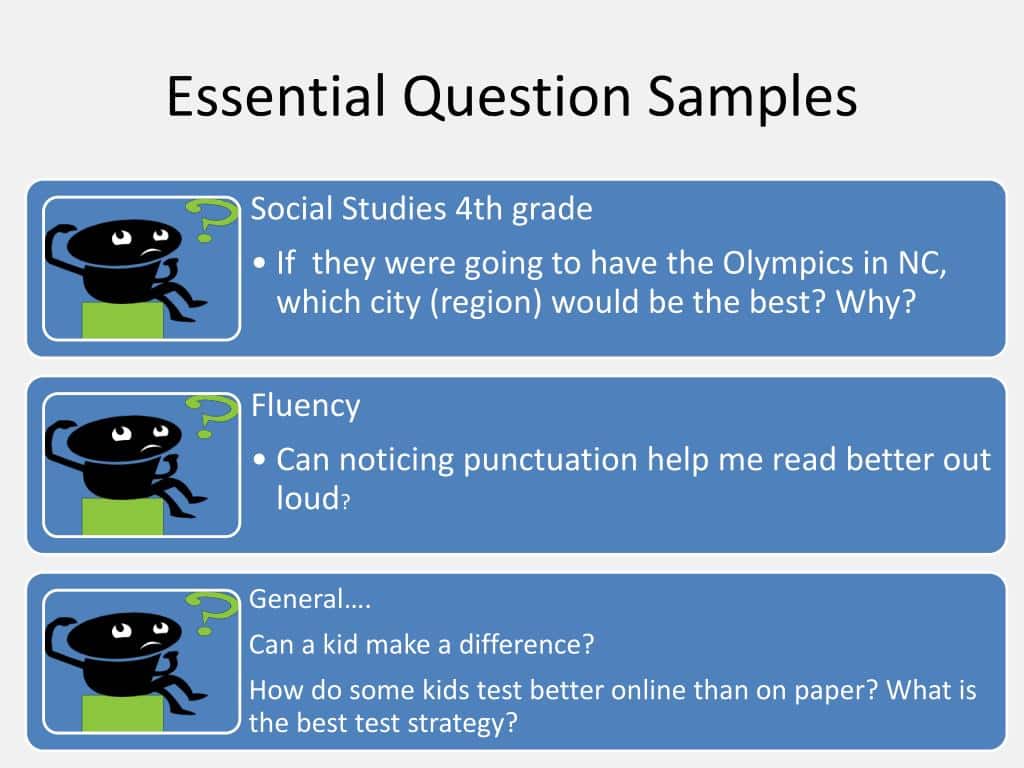
Reading is a fundamental skill that forms the backbone of education. It is not only about decoding words on a page but also about understanding and analyzing the meaning behind the text. To foster critical thinking and deep comprehension, educators often use essential questions in reading instruction. These questions encourage students to think critically, make connections, and engage with the text on a deeper level. In this article, we will explore the concept of reading essential questions and provide you with a comprehensive list to enhance your reading instruction.
Essential questions in reading serve as a guide for students to explore and discover the main ideas, themes, and messages of a text. By asking open-ended questions, students are encouraged to think beyond the surface level and delve into the deeper meanings of the text. These questions promote critical thinking, analysis, and reflection, allowing students to develop their reading skills holistically.
When used effectively, reading essential questions can help students develop higher-order thinking skills, such as inferencing, synthesizing information, and evaluating perspectives. They promote active engagement with the text, encourage students to make connections to their own lives and experiences, and foster a love for reading. Additionally, essential questions provide a framework for educators to create meaningful discussions and activities, promoting a collaborative learning environment.
See these reading essential questions
- What is the main idea of the text?
- How does the author support their argument?
- What are the key details that support the main idea?
- What is the author’s purpose in writing this text?
- How does the setting impact the story?
- What is the theme of the text?
- How do the characters change throughout the story?
- What is the tone of the text?
- What is the author’s point of view?
- What are the different conflicts present in the text?
- How does the text use figurative language to enhance meaning?
- What are the cause-and-effect relationships in the text?
- What do you predict will happen next?
- How does the text connect to your own life?
- What are the different perspectives presented in the text?
- How does the text use symbolism?
- What are the central ideas explored in the text?
- What is the author’s intended audience?
- What are the different points of view regarding the issue presented in the text?
- How does the text use imagery to create vivid descriptions?
- What are the different literary devices used in the text?
- What evidence can you find to support your interpretation of the text?
- What are the social, cultural, or historical contexts of the text?
- What are the different genres of literature?
- How does the text use foreshadowing?
- What are the implicit messages conveyed in the text?
- How does the text use irony?
- What are the different points of view regarding the topic discussed in the text?
- What connections can you make between this text and other texts you have read?
- How does the text use dialogue to reveal character traits?
- What are the ethical or moral dilemmas presented in the text?
- What are the different forms of media used in the text?
- How does the text use flashbacks?
- What are the underlying messages or lessons in the text?
- How does the text use suspense to engage the reader?
- What are the different cultural perspectives presented in the text?
- What connections can you make between this text and the real world?
- How does the text use repetition for emphasis?
- What are the different character motivations in the text?
- How does the text use pacing to create tension?
- What are the different narrative techniques used in the text?
- How does the text use humor to convey its message?
- What are the different forms of figurative language used in the text?
These reading essential questions are just a starting point for fostering deep comprehension and critical thinking skills. By incorporating these questions into your reading instruction, you can guide your students towards a more meaningful understanding of the texts they read, and help them become more engaged and thoughtful readers.






