
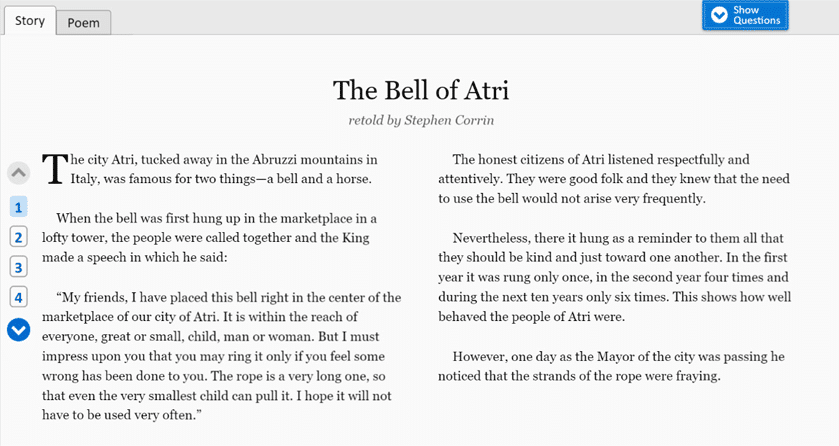
Reading inventory questions are a valuable tool to assess an individual’s reading comprehension and skills. Whether you are a teacher evaluating your students’ reading abilities or a parent interested in understanding your child’s reading level, these questions can provide valuable insights. By using a reading inventory, you can identify areas of strength and weakness, tailor reading materials to match the individual’s needs, and track progress over time. In this article, we will explore the importance of reading inventory questions and provide a comprehensive list of questions to help you get started.
Reading inventory questions cover various aspects of reading, including vocabulary, comprehension, fluency, and critical thinking. These questions are designed to measure an individual’s ability to understand texts, analyze information, and draw conclusions. By asking a range of questions, you can assess different reading skills and determine the appropriate reading materials for further development.
Using reading inventory questions can be particularly beneficial in an educational setting. Teachers can use these questions to assess their students’ reading levels and plan instructional strategies accordingly. By identifying specific areas where students may be struggling, teachers can provide targeted interventions to improve their reading skills. Additionally, reading inventory questions can help track progress and evaluate the effectiveness of teaching methods or interventions over time.
See these reading inventory questions
- What is the main idea of the passage?
- Who is the author of the book?
- What does the word “prolific” mean in this context?
- What is the setting of the story?
- What are the three main characters’ names?
- What is the author’s purpose in writing this article?
- What is the tone of the passage?
- What is the theme of the novel?
- What is the conflict in the story?
- What is the climax of the plot?
- What is the resolution of the conflict?
- What are the main events in chronological order?
- What is the central message of the poem?
- What is the figurative language used in this paragraph?
- What are the supporting details in the text?
- What is the tone of the author’s argument?
- What is the author’s viewpoint on the topic?
- What is the effect of the author’s use of repetition?
- What is the purpose of the dialogue in this scene?
- What is the meaning of the symbol in the story?
- What is the mood created by the description?
- What is the author’s intent in using imagery?
- What is the main character’s motivation?
- What is the central conflict in the play?
- What is the author’s perspective on the issue?
- What is the significance of the title?
- What is the historical context of the novel?
- What is the genre of the book?
- What is the impact of the character’s decision?
- What is the role of the antagonist in the story?
- What is the purpose of the foreshadowing in the text?
- What is the effect of the author’s use of irony?
- What is the main character’s internal conflict?
- What is the lesson learned by the protagonist?
- What is the significance of the opening sentence?
- What is the author’s message about society?
- What is the impact of the plot twist?
- What is the role of the secondary character?
- What is the meaning of the allusion in the passage?
- What is the effect of the author’s use of suspense?
- What is the main character’s external conflict?
- What is the moral of the fable?
- What is the significance of the closing paragraph?
- What is the author’s perspective on the topic?
These are just a few examples of reading inventory questions that can be used to assess an individual’s reading skills and comprehension. By using a combination of these questions, you can gain a comprehensive understanding of an individual’s reading abilities and tailor instruction accordingly. Remember, reading inventory questions are a powerful tool to support reading development and ensure individuals receive the appropriate resources to enhance their reading skills.






