
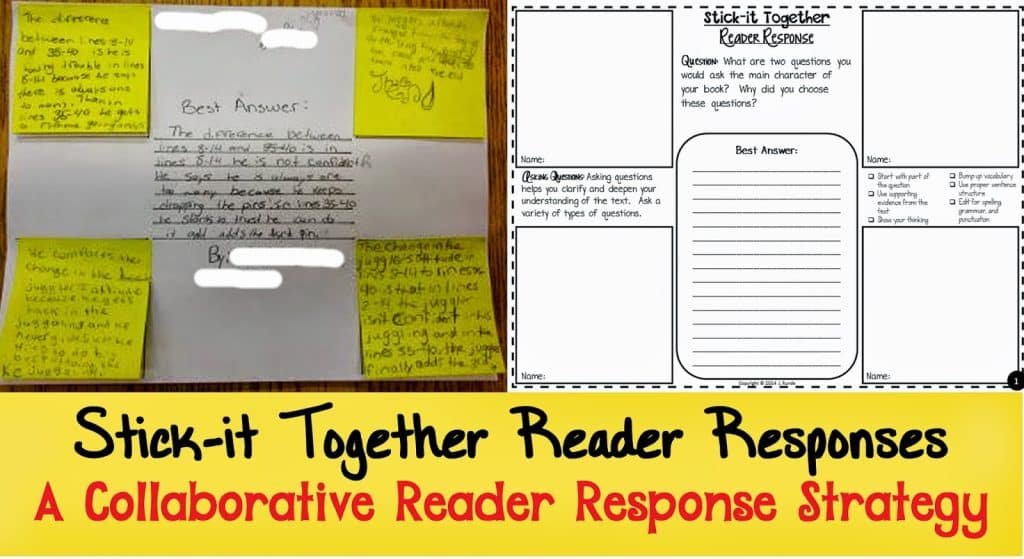
Reading response questions are a valuable tool used by teachers and educators to assess students’ understanding and comprehension of a text. These questions require students to critically analyze the material they have read and provide thoughtful and well-supported responses. By engaging with reading response questions, students are able to develop their critical thinking skills, improve their reading comprehension, and deepen their understanding of the text.
Reading response questions can be used with any type of reading material, including novels, articles, poems, and short stories. They can be open-ended, allowing students to explore their own interpretations and ideas, or they can be more specific, focusing on particular literary elements or themes. Regardless of the format, reading response questions encourage students to think deeply about what they have read and express their thoughts in a clear and concise manner.
Furthermore, reading response questions promote active engagement with the text, as students are required to reflect on their reading experience and connect it to their own lives or the world around them. This helps to make reading a more meaningful and personal experience, fostering a love for literature and a lifelong habit of reading.
See these reading response questions:
- What was the main idea or theme of the text?
- How did the author use language to create a certain mood or atmosphere?
- Did the main character change throughout the story? If so, how?
- What do you think the author’s purpose was in writing this text?
- Were there any parts of the text that confused you? Why?
- What connections can you make between this text and other texts you have read?
- What is the significance of the title?
- What emotions did the text evoke in you? Why?
- Did the text challenge any of your beliefs or assumptions? How?
- Did the text leave any unanswered questions? What are they?
- What literary devices did the author use? How did they enhance the reading experience?
- How did the setting contribute to the overall mood or tone of the text?
- Were there any symbols or motifs present in the text? What do they represent?
- What did you learn from reading this text?
- How did the author develop the characters in the story?
- What do you think the author’s message or main point was?
- What predictions can you make about what will happen next in the story?
- Did the text remind you of any personal experiences or events?
- What aspects of the text did you find most interesting or engaging? Why?
- How did the text challenge or reinforce your understanding of a particular topic or issue?
- What questions would you ask the author if you had the chance?
- What connections can you make between this text and the world we live in today?
- How did the text change your perspective on a certain subject?
- What do you think the future holds for the characters in the story?
- What lessons or morals can be learned from the text?
- How did the author use foreshadowing to build suspense?
- Did the text end in a satisfying way? Why or why not?
- What would you say to someone who hasn’t read this text to convince them to do so?
- How did the author use dialogue to develop the characters or advance the plot?
- What new vocabulary words did you learn from reading this text?
- What connections can you make between this text and current events?
- What do you think the author’s intended audience was for this text?
- How did the text challenge or confirm your own beliefs or values?
- Did the text make you think about any ethical or moral issues? If so, what are they?
- What do you think the future holds for society based on the events in the text?
- How did the author use descriptive language to create vivid mental images?
- What role did the secondary characters play in the story?
- What connections can you make between this text and other forms of media, such as movies or TV shows?
- What questions would you like to ask the characters in the story?
- How did the text challenge or change your understanding of a particular culture or time period?
- What do you think the author’s message about human nature was?
- How did the text make you feel? Why?
- What do you think will happen to the characters after the story ends?
- What connections can you make between this text and other subjects you are studying?
These are just a few examples of reading response questions that can be used to enhance students’ reading comprehension and critical thinking skills. By encouraging students to engage with the text in a meaningful way, reading response questions help to create a rich and rewarding reading experience.






