
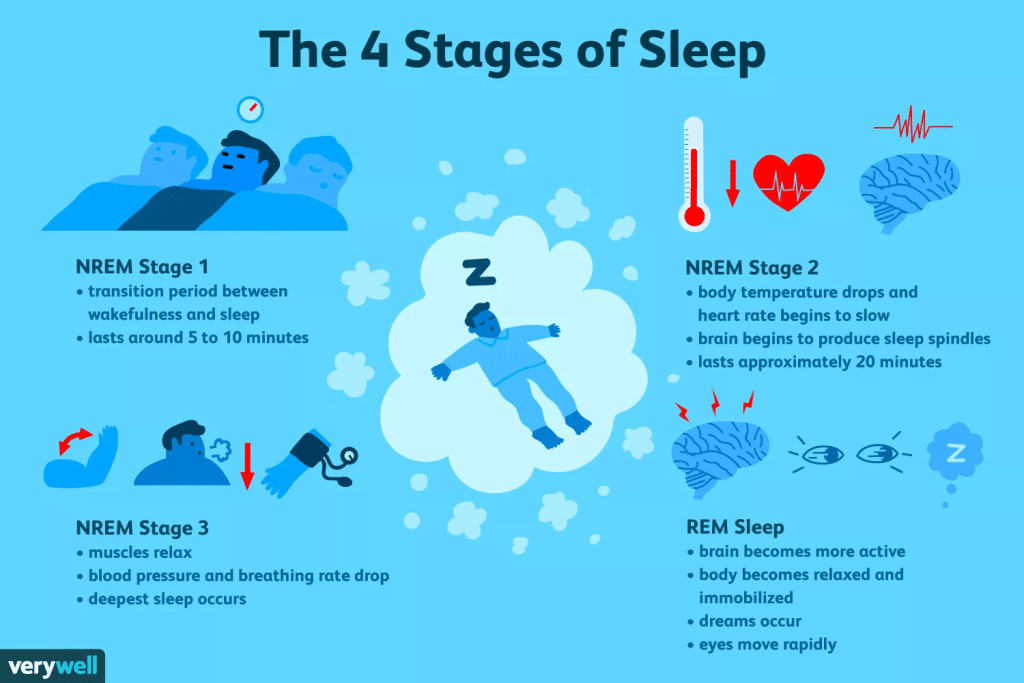
Dreams have fascinated humans for centuries, with their mysterious and often symbolic nature. They provide a glimpse into the depths of our subconscious minds, creating a realm where anything is possible. While dreams remain a subject of great interest, there are still many questions that researchers are eager to explore and understand. In this article, we will delve into some of the most intriguing research questions about dreams.
One of the fundamental questions about dreams is their purpose and meaning. Why do we dream? Is there a specific function that dreams serve in our lives? Some theories suggest that dreams help us process emotions and memories, while others propose that they can be a form of problem-solving or creative inspiration. Understanding the purpose of dreams could shed light on the inner workings of our minds.
Another intriguing research question is the connection between dreams and mental health. Can dreams provide insights into mental health conditions such as anxiety, depression, or post-traumatic stress disorder? Research has shown that certain dream patterns may be associated with specific mental health issues. Exploring this connection further could potentially lead to new diagnostic tools and treatment approaches.
See these research questions about dreams
- What is the relationship between dreams and emotions?
- Can dreams be influenced by external factors such as sounds or smells?
- Do animals dream? What can studying their dreams tell us about our own?
- How do dreams change throughout a person’s lifespan?
- Are there any cultural or societal influences on dream content?
- Can dreams help us problem-solve in our waking lives?
- What role does the subconscious mind play in dream formation?
- Are there any common symbols or themes in dreams across different individuals?
- How do dreams contribute to the process of creativity?
- Can dreams be used as a therapeutic tool?
- What is the impact of dream deprivation on mental and physical health?
- How do dreams relate to memory consolidation and learning?
- Are there any physiological changes that occur during dreams?
- Can dreams predict future events or provide insights into the future?
- What is the role of lucid dreaming in understanding consciousness?
- How do dreams differ between individuals with different sleep disorders?
- Can dreams be controlled or manipulated?
- Are there any gender differences in dream content and frequency?
- What impact does medication or substance use have on dream patterns?
- Can dreams be used as a tool for self-reflection and personal growth?
- What is the connection between dreams and spirituality?
- How do dreams influence our mood and well-being upon waking?
- Are there any physiological benefits of dreaming?
- Can dream analysis be used as a form of therapy?
- What are the neural mechanisms involved in dream formation?
- How do dreams relate to the process of problem-solving?
- Are there any genetic factors that influence dream patterns?
- Can dream content be influenced by cultural or historical events?
- What impact does sleep quality and duration have on dream frequency and intensity?
- How do dreams relate to the process of emotional regulation?
- Are there any differences in dream content between individuals of different age groups?
- Can dreams help us develop a better understanding of our fears and anxieties?
- What is the connection between dreams and memory retrieval?
- How do dreams contribute to the formation of personal identity?
- Are there any similarities in dream content between individuals with shared experiences?
- Can dreams be used to enhance creativity and problem-solving abilities?
- What is the impact of dream recall on mental health?
- How do dreams relate to the process of decision-making?
- Are there any cultural differences in dream interpretation and significance?
- Can dreams be influenced by physiological factors such as hormones or neurotransmitters?
- What is the connection between dreams and the processing of trauma?
- How do dreams contribute to the development of personal narratives?
- Are there any differences in dream content between individuals of different professions?
- Can dreams be used to explore the concept of time perception?
These research questions represent just a glimpse into the vast and intriguing world of dreams. By exploring these questions, researchers hope to unravel the mysteries of our subconscious minds and gain a deeper understanding of the human experience.






