
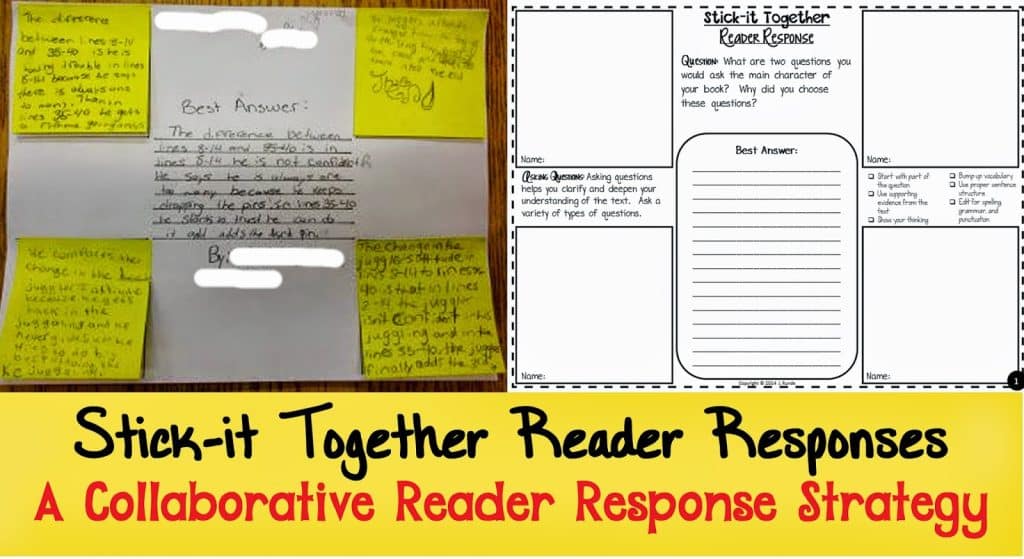
When reading a piece of literature, it is common to have questions and thoughts that arise as you delve deeper into the story. These questions can help you analyze and understand the text on a deeper level, allowing you to form your own unique response to the literature. Response to literature questions can vary depending on the type of literature you are reading, whether it’s a novel, short story, or poem. In this article, we will explore some common response to literature questions that can guide your analysis and interpretation of the text.
As you read a piece of literature, it is important to pay attention to the characters and their development throughout the story. Some response to literature questions that focus on characters include: What are the motivations and desires of the main character? How does the character change or grow throughout the story? Are there any secondary characters that play a significant role in the plot? How do the characters’ actions and choices contribute to the overall theme of the text?
Another important aspect to consider when responding to literature is the setting. Questions related to the setting can include: How does the setting contribute to the mood or atmosphere of the story? Does the setting have any symbolic or metaphorical significance? How does the setting impact the characters and their actions? Is the setting realistic or fantastical, and how does this affect the overall tone of the text?
See these response to literature questions
- What is the main theme of the story?
- How does the author use symbolism to convey meaning?
- What is the significance of the title?
- How does the author create suspense or tension?
- What is the role of foreshadowing in the text?
- What is the author’s purpose in writing this piece?
- What is the central conflict of the story?
- How does the point of view affect the reader’s understanding of the events?
- What is the tone of the text?
- How does the author use imagery to enhance the reader’s experience?
- What is the message or moral of the story?
- How does the author use irony to convey meaning?
- What is the significance of the opening or closing lines?
- How does the author use dialogue to reveal character traits?
- What is the historical or cultural context of the text?
- How does the author use language and style to create a unique voice?
- What is the role of secondary characters in the story?
- How does the author use flashbacks or time shifts?
- What is the role of nature in the text?
- How does the author use humor to engage the reader?
- What is the significance of the ending?
- How does the author create a sense of place?
- What is the motivation behind the protagonist’s actions?
- How does the author use allusions to other works of literature?
- What is the social or political commentary in the text?
- How does the author explore the theme of identity?
- What is the role of dreams or fantasies in the story?
- How does the author use repetition for emphasis?
- What is the significance of the protagonist’s name?
- How does the author use suspense to keep the reader engaged?
- What is the role of religion or spirituality in the text?
- How does the author use conflict to drive the plot?
- What is the impact of the story’s structure on the reader’s experience?
- How does the author use motifs to enhance the themes?
- What is the role of gender in the text?
- How does the author use sensory details to create vivid descriptions?
- What is the significance of the protagonist’s journey?
- How does the author use suspense to build anticipation?
- What is the role of memory in the story?
- How does the author use figurative language to enhance the imagery?
- What is the impact of the story’s structure on the pacing?
- How does the author use social commentary to address current issues?
These response to literature questions can serve as a starting point for your analysis and interpretation of a text. Remember to delve deep into the text, make connections, and form your own unique response based on your understanding and insights gained from the literature.






