
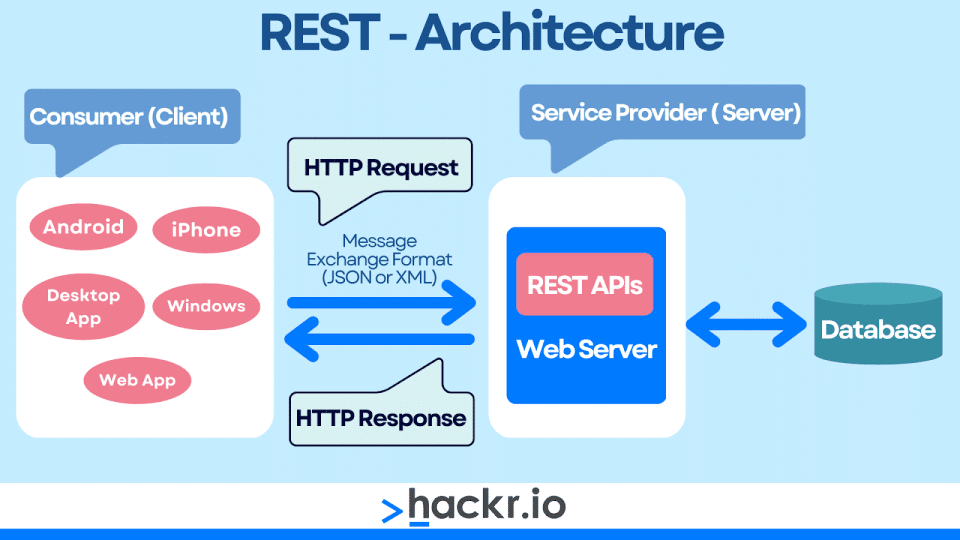
When it comes to designing RESTful APIs, it is crucial to have a clear understanding of the principles and best practices. As RESTful APIs are widely used in web development, it is common for employers to ask specific questions during interviews to assess a candidate’s knowledge and expertise in this area. In this article, we will explore some common REST API design interview questions that you may encounter during your job search.
Before diving into the questions, it is important to note that REST (Representational State Transfer) is an architectural style used for designing networked applications. It is based on a set of principles, such as the use of HTTP methods (GET, POST, PUT, DELETE) for data manipulation and the use of URIs (Uniform Resource Identifiers) to identify resources. A well-designed RESTful API should be scalable, stateless, and easy to understand.
Now, let’s take a look at some common interview questions related to REST API design:
See these REST API design interview questions:
- What is REST and why is it important in web development?
- What are the main HTTP methods used in RESTful APIs?
- What is the purpose of the GET method and when should it be used?
- What is the purpose of the POST method and when should it be used?
- What is the purpose of the PUT method and when should it be used?
- What is the purpose of the DELETE method and when should it be used?
- What is the difference between PUT and PATCH methods?
- What is the difference between a URI and a URL?
- What are the best practices for designing URIs?
- What is HATEOAS and how does it relate to RESTful APIs?
- What are the advantages of using RESTful APIs over other architectural styles?
- What are the drawbacks of using RESTful APIs?
- How can you handle authentication and authorization in a RESTful API?
- What is content negotiation and why is it important in RESTful APIs?
- What are the common status codes used in RESTful APIs?
- How can you handle versioning in a RESTful API?
- What are the best practices for error handling in RESTful APIs?
- What is the difference between synchronous and asynchronous communication in RESTful APIs?
- How can you handle pagination in a RESTful API?
- What are the considerations for designing a secure RESTful API?
- What is rate limiting and why is it important in RESTful APIs?
- How can you handle caching in a RESTful API?
- What is the Richardson Maturity Model and how does it relate to RESTful APIs?
- What are the best practices for designing resource representations in RESTful APIs?
- What are the considerations for designing a scalable RESTful API?
- How can you handle data validation in a RESTful API?
- What are the considerations for handling concurrency in a RESTful API?
- What is the difference between a RESTful API and a SOAP API?
- What are the key components of a RESTful API?
- What is the role of hypermedia in RESTful APIs?
- What are the best practices for designing the response format of a RESTful API?
- What is the purpose of the OPTIONS method in RESTful APIs?
- How can you handle partial updates in a RESTful API?
- What is the difference between a resource and a representation in RESTful APIs?
- What are the considerations for designing a discoverable RESTful API?
- How can you handle long-running operations in a RESTful API?
- What are the best practices for designing the error response format of a RESTful API?
- What is the role of HTTP headers in RESTful APIs?
- What is the purpose of the HEAD method in RESTful APIs?
- What are the considerations for designing a RESTful API for mobile applications?
- What is the role of request and response payloads in RESTful APIs?
- What are the considerations for designing a RESTful API for real-time applications?
Remember, these are just some examples of REST API design interview questions that you may encounter during your job search. It is important to have a solid understanding of RESTful API principles, best practices, and common design considerations to confidently answer these questions and showcase your expertise in this area.






