
Restorative justice is an alternative approach to resolving conflicts and repairing harm in a way that focuses on healing and restoring relationships. It emphasizes communication, dialogue, and understanding between all parties involved. In restorative justice practices, questions play a crucial role in facilitating the process of reflection, accountability, and transformation. This article aims to explore and provide a comprehensive list of restorative justice questions that can be used in various settings to promote dialogue and understanding.
Restorative justice questions are designed to encourage individuals to reflect on their actions, understand the impact of their behavior on others, and take responsibility for repairing the harm caused. These questions can be used in a variety of situations, such as conflict resolution, community building, and even in the criminal justice system. They provide a framework for individuals to explore their feelings, needs, and values, ultimately leading to a deeper understanding and resolution of the issues at hand.
See these restorative justice questions
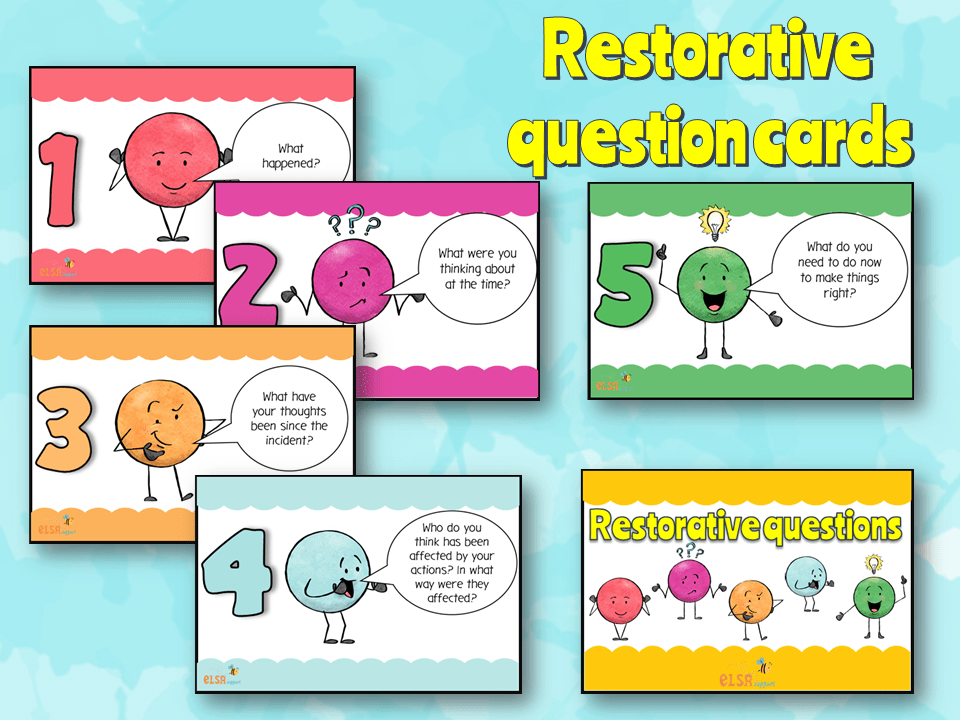
- What happened?
- What were you thinking at the time?
- What have you thought about since?
- Who has been affected by what happened, and how?
- What do you think needs to happen to make things right?
- How do you think the person harmed has been affected?
- What do you think the person harmed needs to heal?
- What do you need to heal?
- What can you do to make things right?
- What support do you need to follow through?
- What do you think will happen if you don’t take responsibility?
- What have you learned from this experience?
- How can this experience help you grow?
- What will you do differently next time?
- What do you think the person harmed needs to feel safe?
- What do you think the person harmed needs to trust you?
- How can you show that you are committed to change?
- What can you do to repair the harm caused?
- How can you make amends?
- What can you do to prevent this from happening again?
- How can you contribute positively to your community?
- What steps can you take to rebuild trust?
- How can you ensure accountability for your actions?
- What kind of support do you need to move forward?
- What do you need to do to repair the relationship?
- What values or principles were violated by your actions?
- What steps can you take to restore those values?
- How can you involve the community in this process?
- What are some possible consequences of your actions?
- What can you do to address those consequences?
- What do you think the person harmed needs to feel heard?
- What can you do to actively listen to the person harmed?
- What do you think the person harmed needs to feel understood?
- How can you show empathy towards the person harmed?
- What can you do to repair the emotional harm caused?
- What steps can you take to promote healing and reconciliation?
- What do you need to do to forgive yourself?
- What do you think the person harmed needs in order to forgive you?
- How can you demonstrate genuine remorse?
- What actions can you take to rebuild your reputation?
- What steps can you take to prevent future harm?
- What are your hopes for the future?
- How can you contribute positively to society?
These are just a few examples of restorative justice questions that can be used in various situations. The key is to create a safe and supportive environment where individuals feel comfortable answering these questions honestly and openly. By engaging in restorative justice practices and using these questions, we can promote healing, understanding, and transformation for all parties involved.






