
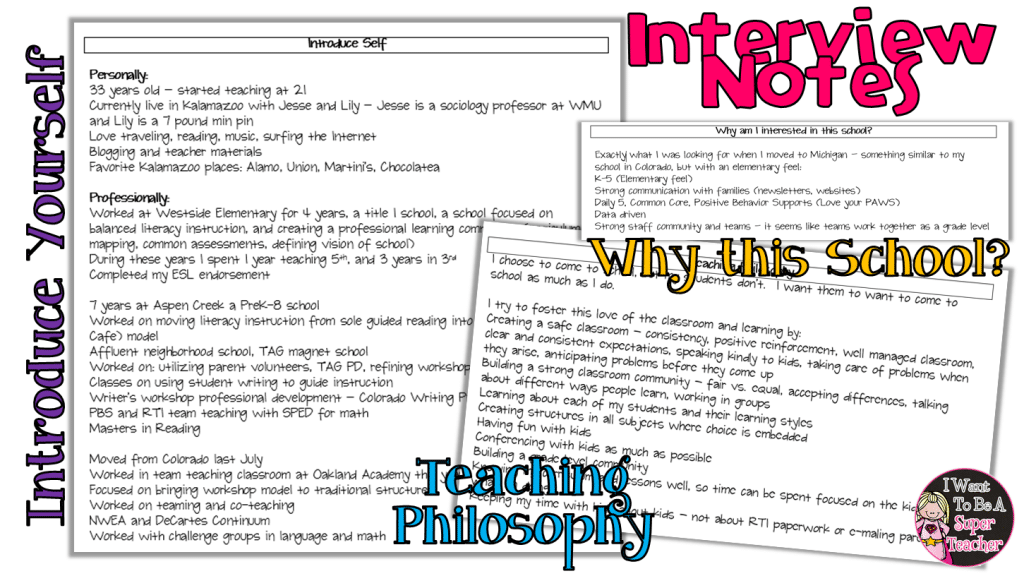
As a school administrator or hiring manager, finding the right Response to Intervention (RTI) teacher is crucial for ensuring the success of your students. RTI teachers play a vital role in identifying and addressing learning difficulties, providing interventions, and monitoring student progress. When conducting interviews for RTI teachers, it’s important to ask the right questions to assess their knowledge, skills, and experience in effectively implementing the RTI framework. In this article, we have compiled a comprehensive list of RTI teacher interview questions to help you make informed hiring decisions.
Before we delve into the interview questions, it’s essential to understand the key qualities and competencies you should look for in an RTI teacher. A successful RTI teacher should have a strong understanding of the RTI process, be knowledgeable about various assessment strategies and interventions, possess excellent communication and collaboration skills, and be highly proficient in data analysis and progress monitoring. They should also be familiar with special education laws and regulations.
Now, let’s explore some of the essential RTI teacher interview questions that can help you gauge a candidate’s suitability for the role.
See these RTI Teacher Interview Questions
- Can you explain the Response to Intervention (RTI) process and its importance in supporting students’ academic progress?
- How do you differentiate between a student who is struggling due to a learning disability and one who is experiencing temporary difficulties?
- What assessment tools or techniques do you use to identify students who may benefit from RTI interventions?
- Describe a situation where you collaborated with general education teachers, parents, and other professionals to design and implement effective interventions for a student.
- How do you determine the effectiveness of an intervention? What data do you collect and analyze?
- What strategies do you use to engage and motivate students during RTI interventions?
- How do you ensure that interventions are tailored to meet the individual needs of students?
- Have you worked with students from diverse cultural or linguistic backgrounds? How do you address their unique needs within the RTI framework?
- Can you provide an example of a successful RTI intervention you have implemented? What were the results?
- How do you communicate with parents about their child’s progress and the RTI process?
- What do you consider when deciding to move a student from one tier to another within the RTI framework?
- How do you keep up-to-date with current research and best practices in RTI?
- What strategies do you use to engage and involve students’ families in the RTI process?
- How do you handle resistance or skepticism from colleagues or parents regarding the effectiveness of RTI?
- Describe a time when you had to modify or adapt an intervention to meet a student’s specific needs.
- What qualities do you possess that make you an effective RTI teacher?
- How do you manage your time and prioritize tasks when working with multiple students at different RTI tiers?
- What steps do you take to ensure that the RTI process is implemented with fidelity?
- Describe a time when you had to advocate for a student’s RTI needs within the school or district.
- How do you address students’ social-emotional needs within the RTI framework?
- What resources or materials do you find most useful in supporting RTI interventions?
- How do you involve students in setting goals and monitoring their own progress within the RTI framework?
- What strategies do you use to support students who are not making progress despite interventions?
- How do you ensure that RTI interventions align with the school’s curriculum and instructional goals?
- Describe a time when you had to work with a challenging student within the RTI framework. How did you handle the situation?
- What do you do to establish a positive and inclusive classroom environment for all students?
- How do you collaborate with other professionals, such as school psychologists or speech therapists, to support students’ needs?
- What steps do you take to involve students in the RTI decision-making process?
- How do you document and maintain records of students’ progress and interventions?
- Describe a time when you had to make adjustments to an intervention based on new data or information.
- How do you address students’ individual learning styles and preferences within the RTI framework?
- What strategies do you use to ensure that students generalize skills learned during RTI interventions to other settings?
- How do you handle confidentiality and privacy when collecting and analyzing student data for RTI purposes?
- Describe a time when you had to deal with a disagreement or conflict within the RTI team. How did you resolve it?
- What professional development opportunities have you pursued to enhance your knowledge and skills in RTI?
- How do you involve students in self-reflection and self-assessment within the RTI framework?
- What strategies do you use to support students who are struggling with behavior issues within the RTI framework?
- Describe a time when you had to make a difficult decision regarding the continuation or discontinuation of an intervention.
- How do you ensure that RTI interventions are culturally responsive and inclusive?
- What do you do to maintain open and effective communication with students’ general education teachers?
- How do you address students’ specific needs within the RTI framework while still meeting grade-level standards?
- Describe a time when you had to collaborate with outside agencies or specialists to support a student’s needs within the RTI framework.
- What strategies do you use to foster a growth mindset among your students?
- How do you involve students in setting realistic and achievable goals within the RTI framework?
- What do you do to maintain a positive relationship with students’ parents or guardians?
- How do you ensure that students with disabilities receive appropriate accommodations and modifications within the RTI framework?
- Describe a time when you had to adapt your teaching strategies to accommodate a student with a physical disability within the RTI framework.
- What steps do you take to ensure that students are actively engaged and participating during RTI interventions?
The above list of RTI teacher interview questions is by no means exhaustive, but it provides a solid foundation to assess candidates’ knowledge, experience, and skills in implementing the RTI framework effectively. Remember to tailor your questions based on your school’s specific needs and priorities. Good luck with your RTI teacher interviews!






