
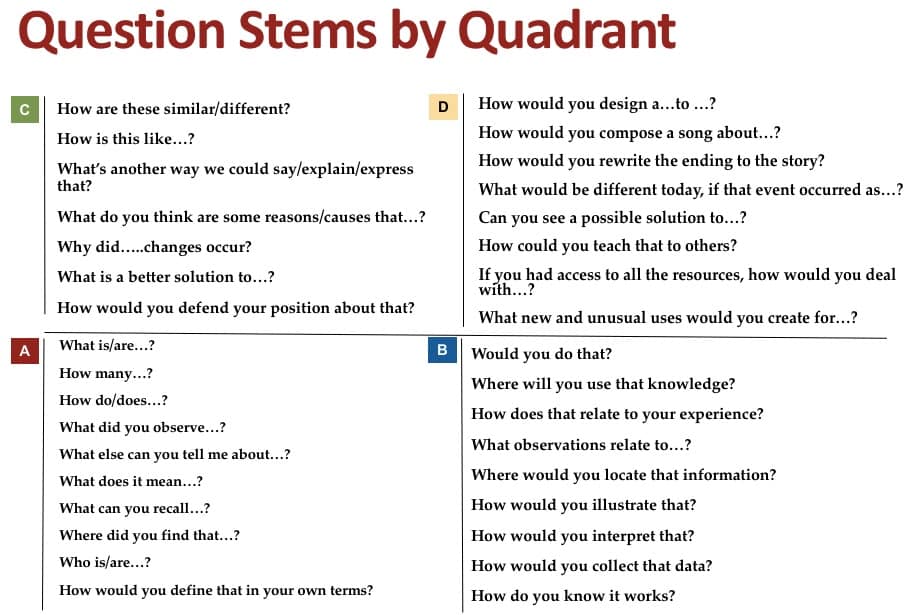
As educators and learners, we are constantly seeking effective strategies to enhance our understanding and promote critical thinking skills. One powerful technique that has gained significant traction in recent years is the use of scaffold questions. These carefully crafted questions serve as a supportive framework, guiding learners through complex topics and encouraging them to think critically, make connections, and deepen their understanding. In this article, we will explore the concept of scaffold questions and their impact on learning.
Scaffold questions are designed to provide a structured approach to learning, ensuring that learners are actively engaged in the process. They are carefully sequenced and strategically placed to build upon prior knowledge, stimulate curiosity, and promote higher-order thinking. By breaking down complex concepts into manageable components, scaffold questions enable learners to make connections, develop deeper understanding, and transfer knowledge to new situations. This approach not only enhances learning outcomes but also cultivates the essential skills of critical thinking, problem-solving, and analytical reasoning.
Moreover, scaffold questions foster a supportive learning environment where learners feel empowered to explore, inquire, and seek answers. By providing a framework for understanding, these questions encourage learners to take ownership of their learning journey, promoting self-directed learning and fostering a growth mindset. Scaffold questions also promote collaboration and discussion among learners, as they engage in meaningful conversations, share perspectives, and construct knowledge together.
See these scaffold questions
- What is the main idea of the text?
- Can you provide examples to support your answer?
- How does this relate to what we have learned previously?
- What are the key factors contributing to this phenomenon?
- What are the potential consequences of this decision?
- How does this concept apply in real-life situations?
- What are the different perspectives on this issue?
- What evidence can you find to support your argument?
- What are the underlying assumptions in this argument?
- How does this theory challenge existing beliefs?
- What are the implications of this research findings?
- What alternative solutions can you propose?
- How does this historical event impact the present?
- What are the ethical considerations in this scenario?
- What are the potential limitations of this study?
- What are the different ways to interpret this data?
- How does this concept apply to different cultures?
- What are the possible causes of this phenomenon?
- What are the long-term effects of this policy?
- How does this concept relate to current events?
- What are the practical implications of this theory?
- What are the counterarguments to this claim?
- How does this concept connect to personal experiences?
- What are the potential challenges in implementing this strategy?
- What are the similarities and differences between these two theories?
- What are the potential biases in this study?
- What are the key factors contributing to this problem?
- How does this concept align with your values and beliefs?
- What are the potential implications of ignoring this issue?
- What are the possible solutions to this problem?
- How does this concept relate to other disciplines?
- What are the key assumptions underlying this argument?
- What are the potential implications of this policy change?
- What are the different ways to approach this problem?
- How does this concept challenge conventional wisdom?
- What are the potential benefits of this innovation?
- What are the potential consequences of this action?
- How does this concept contribute to our understanding of the world?
- What are the potential implications of this technological advancement?
- What are the different methods used to collect this data?
- How does this concept relate to current societal issues?
- What are the potential limitations of this model?
- What are the different approaches to solving this problem?
Scaffold questions are a valuable tool for educators and learners alike. By providing a structured framework for learning, they promote critical thinking skills, enhance understanding, and foster a collaborative learning environment. Whether used in classrooms, online learning platforms, or self-directed study, scaffold questions serve as a guiding light, illuminating the path to deeper learning and intellectual growth.






