
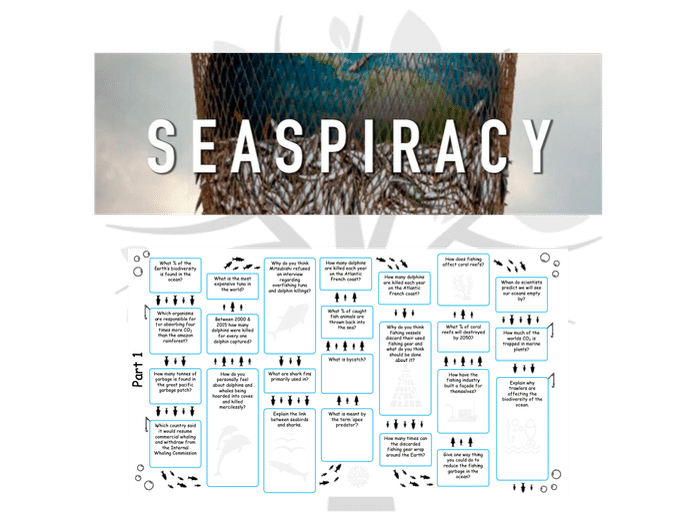
Seaspiracy, the recently released documentary on Netflix, has sparked a global conversation about the state of our oceans and the impact of human activities on marine life. Directed by Ali Tabrizi, the film dives deep into the fishing industry, shedding light on the devastating consequences of overfishing, bycatch, and other harmful practices. As viewers are confronted with shocking revelations, many questions arise. In this article, we will explore some of the most thought-provoking questions raised by the Seaspiracy documentary.
The documentary challenges the notion that sustainable fishing is possible and exposes the widespread corruption and ineffective regulations within the industry. It highlights the alarming rate at which marine species are being depleted, leading to ecological imbalances and the destruction of marine ecosystems. This has led many viewers to question their own consumption habits and the responsibility of governments, corporations, and individuals in addressing these issues.
With the aim of further exploring the topics presented in Seaspiracy, we have compiled a list of 40 thought-provoking questions that will encourage critical thinking and discussion. These questions touch on various aspects of the documentary, including the role of the media, the impact of plastic pollution, and the potential solutions to protect our oceans:
See these Seaspiracy Documentary Questions
- What are the main threats to our oceans depicted in the documentary?
- How does overfishing contribute to the destruction of marine ecosystems?
- What is the concept of bycatch, and why is it so harmful?
- What are the consequences of illegal, unreported, and unregulated fishing?
- How accurate are the claims made about the fishing industry’s impact on climate change?
- What role does the media play in shaping public perception of the fishing industry?
- What are some sustainable alternatives to consuming seafood?
- How can governments and international organizations better regulate the fishing industry?
- What is the impact of plastic pollution on marine life?
- How can individuals reduce their plastic consumption?
- What are the ethical implications of consuming seafood?
- What are the potential economic consequences of collapsing fish populations?
- What are the challenges faced by marine conservation organizations?
- What is the impact of industrial fishing on small-scale fishers?
- How can consumers ensure they are sourcing sustainable seafood?
- What measures can be taken to protect marine biodiversity?
- What is the role of aquaculture in the future of seafood production?
- How can we raise awareness about the issues highlighted in the documentary?
- What are the potential solutions to overfishing and destructive fishing practices?
- How can fishing subsidies be reformed to promote sustainability?
- What are the long-term implications of the decline in shark populations?
- What are the challenges faced by marine protected areas?
- How can the fishing industry transition to more sustainable practices?
- What are the social and economic impacts of the fishing industry on coastal communities?
- What is the role of consumer demand in driving unsustainable fishing practices?
- What are the main arguments against the claims made in the documentary?
- How can the public hold corporations and governments accountable?
- What is the impact of overfishing on food security?
- What are the potential consequences of losing key marine species?
- How can we address the issue of ghost fishing gear?
- What are the alternatives to traditional fishing practices?
- How does the fishing industry contribute to ocean acidification?
- What are the challenges faced by marine conservationists in enforcing regulations?
- What is the relationship between the fishing industry and human rights abuses?
- How can we ensure sustainable fishing practices are implemented globally?
- What is the impact of bottom trawling on marine ecosystems?
- What role can technology play in monitoring and regulating the fishing industry?
- What are the potential consequences of the continued decline of fish populations?
- How can we educate future generations about the importance of marine conservation?
- What is the role of international agreements in protecting our oceans?
- How can we promote responsible seafood consumption?
- What are the potential benefits of marine reserves and no-take zones?
- How can we address the issue of overfishing in developing countries?
- What are the implications of the documentary’s findings on the future of seafood?
These questions only scratch the surface of the complex issues presented in the Seaspiracy documentary. It is crucial that we continue to educate ourselves, engage in meaningful discussions, and take action to protect our oceans and the delicate balance of life within them.






