
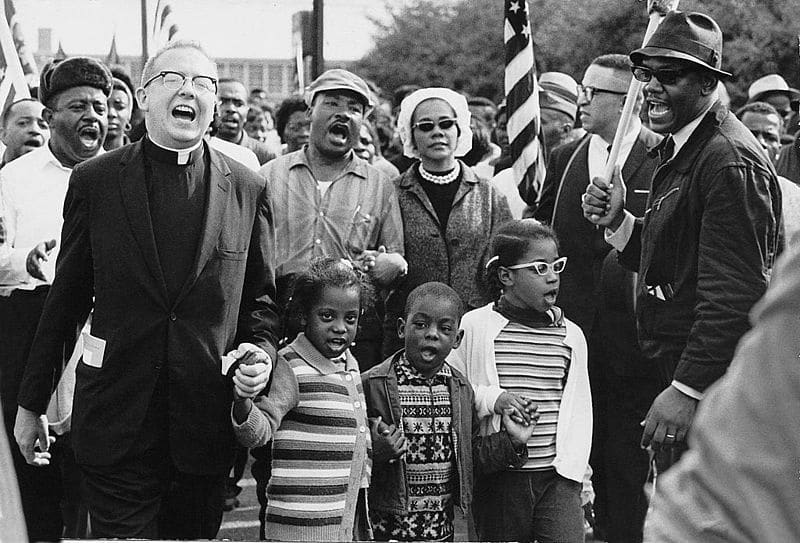
Selma, directed by Ava DuVernay, is a powerful historical drama that depicts the civil rights movement and the iconic march from Selma to Montgomery in 1965. The film offers a thought-provoking portrayal of the events that took place during this pivotal period in American history. To further explore the themes and messages conveyed in Selma, here are some discussion questions that can be used to spark engaging conversations and deepen understanding of the film.
1. What is the significance of the title “Selma” and how does it relate to the overall message of the film?
2. How does the film portray Martin Luther King Jr. and his role in the civil rights movement?
3. Discuss the portrayal of racism in Selma and its impact on both the African American community and the country as a whole.
See these Selma Discussion Questions
- 4. How does the film depict the relationship between Martin Luther King Jr. and his wife, Coretta Scott King?
- 5. What were some of the strategies used by civil rights activists in Selma to bring attention to their cause?
- 6. Discuss the portrayal of President Lyndon B. Johnson in the film and his stance on the civil rights movement.
- 7. How does Selma highlight the importance of grassroots organizing and community involvement in activism?
- 8. What role did the media play in shaping public opinion and supporting the civil rights movement?
- 9. Discuss the significance of the Edmund Pettus Bridge and its role in the march from Selma to Montgomery.
- 10. How does the film portray the violent clashes between protesters and law enforcement during the march?
- 11. What were some of the challenges faced by civil rights activists in Selma and how did they overcome them?
- 12. Discuss the impact of the Voting Rights Act of 1965 and its relevance in today’s political climate.
- 13. How does Selma address the role of religion in the civil rights movement?
- 14. Discuss the significance of the Selma to Montgomery march in the larger context of the civil rights movement.
- 15. How does the film explore the theme of unity among different civil rights organizations?
- 16. Discuss the portrayal of J. Edgar Hoover and the FBI’s surveillance of civil rights activists in Selma.
- 17. What were some of the criticisms faced by Martin Luther King Jr. and the civil rights movement?
- 18. Discuss the impact of nonviolent resistance in the civil rights movement as depicted in Selma.
- 19. How does Selma address the intersectionality of race, gender, and class in the fight for civil rights?
- 20. Discuss the role of grassroots activists such as Annie Lee Cooper in the Selma protests.
- 21. How does the film portray the relationship between different civil rights organizations, such as the Student Nonviolent Coordinating Committee and the Southern Christian Leadership Conference?
- 22. Discuss the significance of the final speech delivered by Martin Luther King Jr. in Selma.
- 23. How does Selma depict the role of white allies in the civil rights movement?
- 24. Discuss the impact of the Selma protests on the passage of the Voting Rights Act of 1965.
- 25. How does the film explore the emotional toll of activism on the individuals involved?
- 26. Discuss the significance of the “Bloody Sunday” event and its role in the Selma protests.
- 27. How does Selma address the theme of perseverance in the face of adversity?
- 28. Discuss the impact of the Selma protests on public opinion and the broader civil rights movement.
- 29. How does the film depict the role of women in the civil rights movement?
- 30. Discuss the relationship between Martin Luther King Jr. and Malcolm X as portrayed in Selma.
- 31. How does Selma explore the concept of leadership in the civil rights movement?
- 32. Discuss the significance of the scenes depicting the planning and organization of the Selma to Montgomery march.
- 33. How does the film address the theme of sacrifice in the pursuit of justice?
- 34. Discuss the impact of the Selma protests on the passage of the Civil Rights Act of 1968.
- 35. How does Selma depict the role of youth in the civil rights movement?
- 36. Discuss the portrayal of police brutality in Selma and its relevance in today’s society.
- 37. How does the film explore the theme of hope in the face of oppression?
- 38. Discuss the significance of the courtroom scenes in Selma and their role in the fight for voting rights.
- 39. How does Selma depict the role of music in the civil rights movement?
- 40. Discuss the impact of Selma on contemporary conversations about race and social justice.
These discussion questions are just a starting point for exploring the themes and messages conveyed in Selma. Feel free to use them as a guide for meaningful conversations that delve deeper into the historical context, the impact of activism, and the ongoing struggle for equality and justice.






