
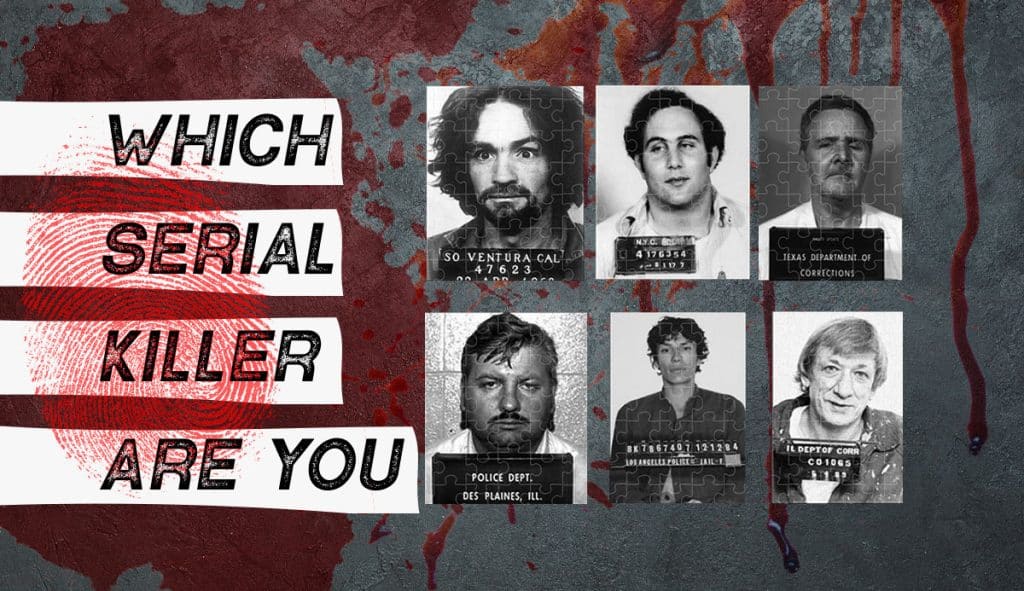
Serial killers have long fascinated the public, both in real life and in popular culture. Their motives, methods, and psychology have been the subject of countless books, movies, and television shows. But what drives someone to become a serial killer? What makes them tick? In an effort to understand these dark and twisted minds, experts have developed a set of questions that delve deep into the psyche of these individuals.
In this article, we will explore some of the most thought-provoking and chilling questions that have been used to study serial killers. These questions aim to uncover the twisted thoughts and motivations behind their heinous actions. Whether you’re a true crime enthusiast or simply curious about the darkest corners of the human mind, these serial killer questions are sure to intrigue and disturb you.
Before we dive into the list of questions, it’s important to note that the study of serial killers is a sensitive and complex subject. These questions are intended for educational and research purposes only. If you find these topics distressing or triggering, please proceed with caution.
See these serial killer questions
- What age did you first experience violent thoughts?
- Did you have a troubled childhood?
- What was your relationship with your parents like?
- Did you have any traumatic experiences in your early life?
- When did you first realize you had a desire to harm others?
- Were you bullied or mistreated by others?
- Did you have any fascination with death or violence as a child?
- What role did fantasy play in your life?
- Did you have any specific fantasies involving violence or control?
- When did you first act on your violent fantasies?
- Did you have a specific type of victim?
- What was your preferred method of killing?
- Did you have rituals or routines surrounding your killings?
- Did you feel remorse or satisfaction after each kill?
- What was your relationship with law enforcement like?
- Did you ever come close to being caught?
- Were you able to maintain a normal life alongside your killings?
- Did you have a support network or accomplices?
- What was your motivation for killing?
- Did you have a specific trigger that set off each killing spree?
- Did you taunt or communicate with law enforcement during your crimes?
- How did you choose your victims?
- Did you enjoy the media attention your crimes received?
- Did you have any remorse for your actions?
- What was your relationship with your victims like?
- Did you keep any souvenirs or trophies from your crimes?
- Were there any warning signs or red flags that could have identified you as a potential killer?
- Did you have a specific signature or calling card?
- What role did your childhood play in shaping your homicidal tendencies?
- Did you have any mental health issues that contributed to your actions?
- What was your perception of right and wrong?
- Did you ever have second thoughts or consider stopping your killing spree?
- What was your relationship with the media like?
- Did you have any regrets or wishes to change anything about your crimes?
- Did you have any close calls or near misses with law enforcement?
- What was your endgame or ultimate goal?
- Did you feel a sense of power or control over your victims?
- What was your reaction to being caught?
- Did you ever consider seeking help or therapy for your violent urges?
- What would you say to the families of your victims if given the chance?
- How do you feel about the legacy you’ve left behind?
- Do you believe you could have been rehabilitated?
These serial killer questions provide a glimpse into the twisted minds of those who commit the most heinous crimes. While they may not provide all the answers, they offer valuable insights into the motivations and psychology of serial killers. By studying these individuals, we can hope to prevent future tragedies and better understand the complex nature of human behavior.






