
Snowflake is a cloud-based data platform that provides a comprehensive and scalable solution for data warehousing, analytics, and data engineering. As more and more organizations adopt Snowflake as their data platform of choice, the need for skilled professionals who can effectively work with Snowflake has increased. To ensure that candidates possess the required skills, many organizations conduct Snowflake OA (Online Assessment) tests during the hiring process. These tests assess the candidate’s knowledge and proficiency in various aspects of Snowflake.
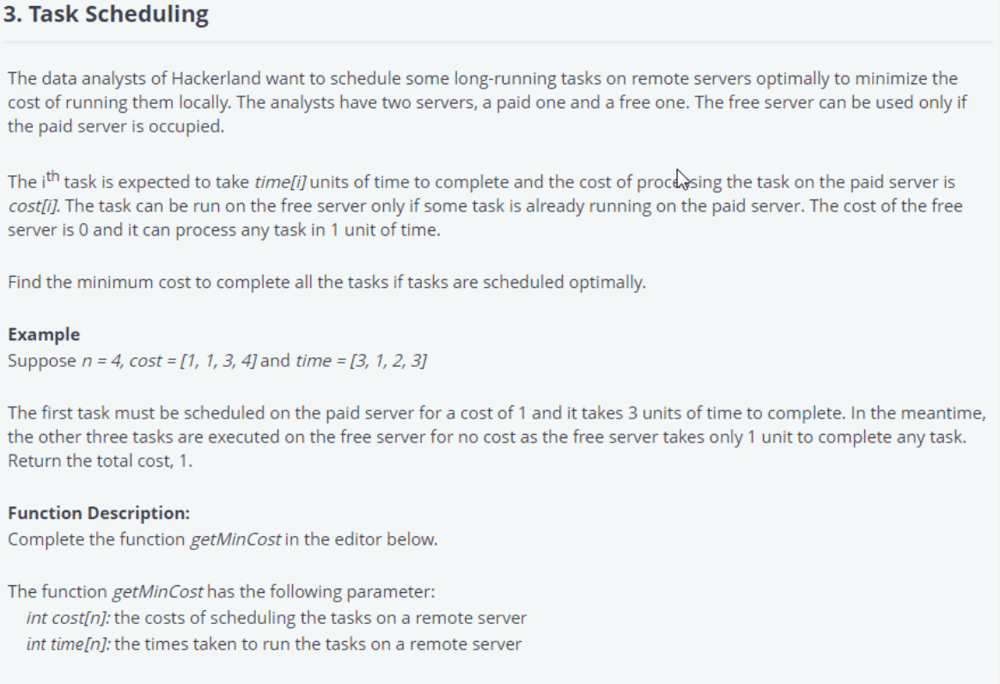
See these snowflake oa questions
If you are preparing for a Snowflake OA test, it is essential to familiarize yourself with the types of questions that may be asked. Here are some commonly asked Snowflake OA questions:
- What is Snowflake and how does it differ from traditional data warehouses?
- How does Snowflake ensure data security and privacy?
- What are the different components of Snowflake architecture and how do they interact?
- How does Snowflake handle concurrency and scalability?
- What is the difference between virtual warehouses and compute resources in Snowflake?
- Explain how Snowflake handles data ingestion and integration.
- What are the different types of tables in Snowflake and their use cases?
- How does Snowflake handle data replication and failover?
- What is the role of Snowflake’s query optimizer in query execution?
- What are Snowflake user roles and how do they control access and permissions?
- Explain Snowflake’s time travel feature and its benefits.
- How does Snowflake handle semi-structured data like JSON and XML?
- What is the purpose of Snowflake’s data sharing feature and how does it work?
- Explain how Snowflake handles data compression and storage optimization.
- What are the different types of joins supported by Snowflake?
- How does Snowflake handle data partitioning and clustering?
- What are the best practices for optimizing query performance in Snowflake?
- Explain Snowflake’s support for real-time data streaming.
- What is the role of Snowflake’s metadata services in managing data and queries?
- How does Snowflake handle data encryption at rest and in transit?
- What is the difference between Snowflake and other cloud data platforms like Redshift and BigQuery?
- Explain the concept of Snowflake’s multi-cluster shared data architecture.
- How does Snowflake handle data governance and compliance?
- What are the options available for data loading and unloading in Snowflake?
- What is the purpose of Snowflake’s materialized views and how do they work?
- Explain the concept of Snowflake’s automatic data optimization.
- What are the different types of functions supported by Snowflake?
- How does Snowflake handle data masking and obfuscation?
- What is the use of Snowflake’s data marketplace and how does it work?
- Explain Snowflake’s support for semi-structured and structured data types.
- What are the different ways to monitor and troubleshoot performance issues in Snowflake?
- How does Snowflake handle data deduplication and data lineage?
- What are the best practices for managing Snowflake user roles and privileges?
- Explain how Snowflake handles data replication across multiple regions.
- What are the different options available for integrating Snowflake with other tools and platforms?
- How does Snowflake handle data versioning and schema evolution?
- What are the considerations for choosing the right virtual warehouse size in Snowflake?
- Explain Snowflake’s support for ACID transactions.
- What are the different types of security features offered by Snowflake?
- How does Snowflake handle query optimization and execution plans?
- What are the options available for backup and disaster recovery in Snowflake?
- Explain Snowflake’s support for data masking and data anonymization.
- What are the best practices for designing and modeling data in Snowflake?
These are just a few examples of the types of questions you may encounter in a Snowflake OA test. It is important to thoroughly study and practice these topics to increase your chances of success. Good luck!






