
Sonnet 130, also known as “My Mistress’ Eyes Are Nothing Like the Sun,” is a famous and often-discussed sonnet written by William Shakespeare. This poem challenges the traditional conventions of love poetry, as it presents a realistic and honest portrayal of the poet’s mistress. Many readers find this sonnet intriguing and have various questions about its meaning and interpretation. In this article, we will explore some of the frequently asked questions about Sonnet 130 and provide answers to help you better understand this literary masterpiece.
Before diving into the questions and answers, let’s briefly summarize Sonnet 130. In this sonnet, the speaker compares his mistress to various objects and natural phenomena, highlighting her imperfections and unconventional beauty. Unlike the typical love poems that praise the beloved’s beauty using exaggerated metaphors, Shakespeare’s Sonnet 130 takes a more realistic approach, celebrating the uniqueness and individuality of the poet’s mistress.
Now, let’s delve into the frequently asked questions about Sonnet 130:
See These Sonnet 130 Questions and Answers
- What is the theme of Sonnet 130?
- How does Sonnet 130 challenge traditional love poetry?
- What are some examples of unconventional beauty in this sonnet?
- What is the tone of Sonnet 130?
- Does the speaker love his mistress despite pointing out her flaws?
- What is the purpose of using similes in this sonnet?
- How does Sonnet 130 reflect the Renaissance era’s fascination with individuality?
- What is the significance of the line “And yet, by heaven, I think my love as rare”?
- How does Sonnet 130 challenge societal beauty standards?
- What effect does the use of iambic pentameter have on the sonnet?
- Does Sonnet 130 have any historical or cultural references?
- What is the rhyme scheme of Sonnet 130?
- How does the structure of Sonnet 130 contribute to its meaning?
- What impact does the use of vivid imagery have on the sonnet?
- What is the significance of the final couplet in Sonnet 130?
- How does the speaker’s honesty in this sonnet affect the reader?
- What is the role of humor in Sonnet 130?
- How does Sonnet 130 challenge the idealized representation of women in poetry?
- What is the historical context of Sonnet 130?
- Is Sonnet 130 a critique of traditional love poetry?
- What emotions does Sonnet 130 evoke in the reader?
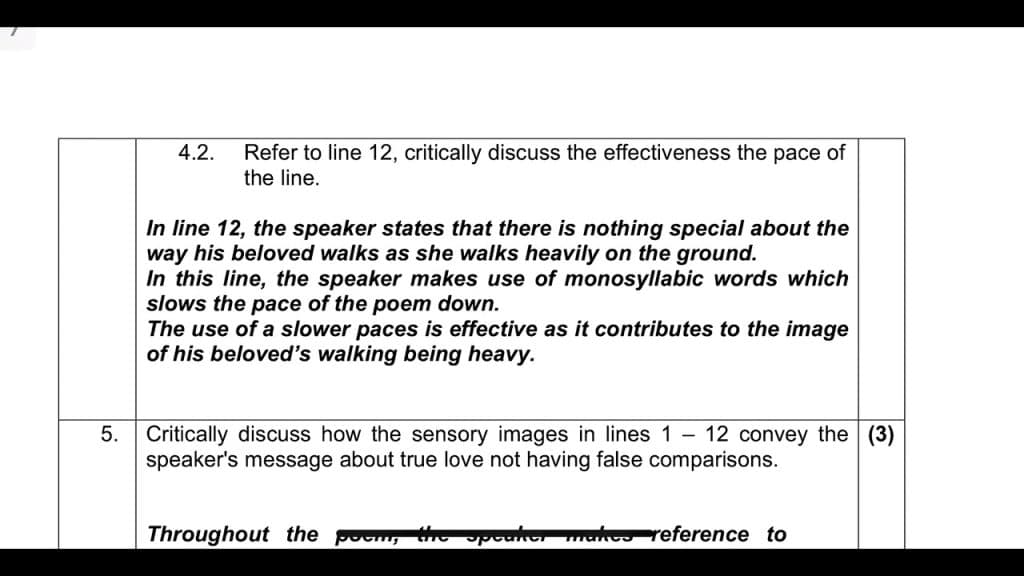
- How does Sonnet 130 explore the concept of true love?
- What is the significance of the title “Sonnet 130”?
- What is the overall message of Sonnet 130?
- How does Sonnet 130 challenge the notion of ideal beauty?
- What are some literary devices used in Sonnet 130?
- How does Sonnet 130 relate to other sonnets by Shakespeare?
- What is the historical significance of Sonnet 130?
- How does the language in Sonnet 130 contribute to its meaning?
- What is the significance of the repeated use of negative imagery in this sonnet?
- How does Sonnet 130 celebrate the individuality of the poet’s mistress?
- What is the impact of the final line “And yet, by heaven, I think my love as rare”?
- How does Sonnet 130 challenge the objectification of women in poetry?
- What is the role of irony in Sonnet 130?
- How does Sonnet 130 explore the concept of true beauty?
- What is the significance of the poet’s mistress being referred to as “my love”?
- What are some alternative interpretations of Sonnet 130?
- How does Sonnet 130 challenge the traditional Petrarchan sonnet structure?
- What is the impact of the poet’s honest and realistic portrayal of his mistress?
- How does Sonnet 130 resonate with modern readers?
- What is the significance of the poet’s choice to write this sonnet?
- How does Sonnet 130 challenge the notion of idealized love?
- What is the cultural relevance of Sonnet 130 today?
- How does the use of vivid sensory details contribute to the sonnet’s meaning?
- What is the impact of the poet’s unconventional approach to love poetry in Sonnet 130?
- How does Sonnet 130 challenge the traditional male gaze in poetry?
These are just a few of the many questions that arise when analyzing Sonnet 130. By exploring these questions and seeking answers, readers can gain a deeper understanding of Shakespeare’s unconventional and thought-provoking masterpiece.






