
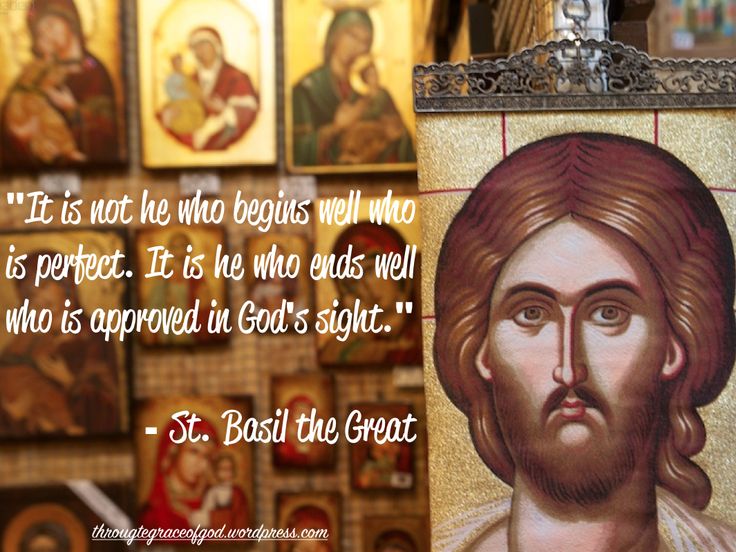
Saint Basil the Great, also known as Basil of Caesarea, was a revered theologian, monastic leader, and bishop in the 4th century. His influential teachings and writings have left a lasting impact on Christianity. Known for his wisdom and spiritual insights, St. Basil’s quotes continue to inspire and guide people in their faith journey.
In this article, we have compiled a collection of noteworthy St. Basil quotes that touch upon various aspects of life, spirituality, and morality. These quotes encapsulate his deep understanding of human nature and the Christian way of living. Read on to discover some of the most profound words of wisdom from St. Basil the Great.
St. Basil was a firm believer in the power of education and the pursuit of knowledge. He once said, “A good deed is never lost; he who sows courtesy reaps friendship, and he who plants kindness gathers love.” These words emphasize the importance of treating others with respect and compassion, as our actions have a ripple effect on the world around us.
Read These St. Basil Quotes
“Do not be angry with your neighbor whatever his fault, and do not envy him if he is rich.”
“The bread you do not use is the bread of the hungry. The garment hanging in your wardrobe is the garment of him who is naked. The shoes you do not wear are the shoes of the one who is barefoot. The money you keep locked away is the money of the poor. The acts of charity you do not perform are so many injustices you commit.”
“A tree is known by its fruit; a man by his deeds. A good deed is never lost; he who sows courtesy reaps friendship, and he who plants kindness gathers love.”
“The bread which you do not use is the bread of the hungry; the garment hanging in your wardrobe is the garment of him who is naked; the shoes you do not wear are the shoes of the one who is barefoot; the money you keep locked away is the money of the poor; the acts of charity you do not perform are so many injustices you commit.”
“He who does not take the step of faith, does not take the way to salvation.”
“The man who has two tunics is to be blamed for one man who has none. The rich man who keeps for himself what belongs to everyone is a thief.”
“The bread in your cupboard belongs to the hungry; the coat unused in your closet belongs to the one who needs it; the shoes rotting in your closet belong to the one who has no shoes; the money which you keep locked away belongs to the poor; the acts of charity you do not perform belong to the one who needs them.”
“The one who plants kindness gathers love.”
“The man who does not love his neighbor is like a man who has lost his sight.”
“He who loves his neighbor loves the law.”
“A tree is known by its fruit; a man by his deeds.”
“If you have a garden and a library, you have everything you need.”
“He who sows courtesy reaps friendship.”
“When you sit down to eat, pray. When you eat bread, do so thanking Him for being so generous to you. If you drink wine, be mindful of Him who has given it to you for your pleasure and as a relief in sickness. When you dress, thank Him for His kindness in providing you with clothes. When you look at the sky and the beauty of the stars, throw yourself at God’s feet and adore Him who in His wisdom has arranged things in this way. Similarly, when the sun goes down and when it rises, when you are asleep or awake, give thanks to God, who created and arranged all things for your benefit, to have you know, love and praise their Creator.”
“The man who does not forgive, buries the talent.”
“The man who has two shirts gives one to him who has none.”
“Charity is the paradise of the soul.”
“There is no one who does more harm in the Church than he who has the title or rank of holiness and acts perversely.”
“The man who does not work for the common good becomes a thief.”
“The rich man is a thief if he does not share his wealth with the poor.”
“The one who loves his neighbor loves God.”
These St. Basil quotes offer timeless insights into living a life of kindness, generosity, and love. They remind us of the importance of treating others with compassion and the responsibility we have to share our blessings with those in need. St. Basil’s teachings continue to inspire countless individuals to strive for a more virtuous and meaningful existence.






