
As humans, we are naturally curious beings. Throughout history, our insatiable desire to understand the world around us has driven us to ask questions. Questions have the power to spark new ideas, challenge existing beliefs, and drive innovation. One type of question that has gained popularity in recent years is the “stasis question”. In this article, we will explore what stasis questions are, why they are important, and how they can be used to unlock the power of inquiry.
A stasis question is a type of question that aims to identify the central point of contention or disagreement in a particular situation or issue. It is designed to elicit a thoughtful response and encourage critical thinking. Stasis questions are often used in fields such as law, rhetoric, and philosophy to facilitate deeper discussions and debates.
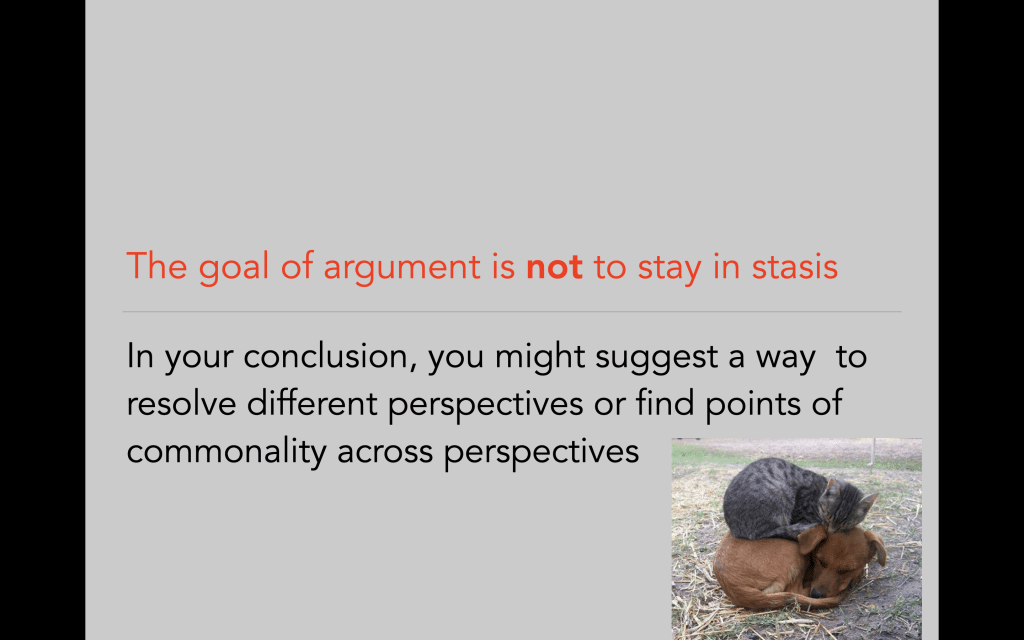
By asking a stasis question, we can delve into the heart of a matter, uncover underlying assumptions, and challenge preconceived notions. Stasis questions help us to examine the “stasis point” or the central issue at hand. They encourage us to explore different perspectives, consider alternative viewpoints, and arrive at a more nuanced understanding of complex problems.
See these stasis questions
- What is the central question that needs to be answered?
- What are the main arguments for and against the issue?
- What are the key assumptions underlying the arguments?
- What evidence supports or refutes the arguments?
- What are the potential consequences of different outcomes?
- What are the ethical implications of the issue?
- What are the long-term implications?
- What are the short-term implications?
- What are the social, economic, and political factors influencing the issue?
- What are the historical precedents for similar situations?
- What are the cultural factors influencing the issue?
- What are the psychological factors influencing the issue?
- What are the environmental factors influencing the issue?
- What are the technological factors influencing the issue?
- What are the legal considerations?
- What are the potential solutions?
- What are the potential risks and benefits of each solution?
- What are the trade-offs?
- What are the stakeholders’ perspectives?
- What are the experts’ opinions?
- What are the potential unintended consequences?
- What are the alternative approaches?
- What are the underlying values and beliefs?
- What are the limitations of the current understanding?
- What are the key concepts?
- What are the key terms and definitions?
- What are the key principles?
- What are the key theories?
- What are the key assumptions?
- What are the key variables?
- What are the key relationships?
- What are the key causes and effects?
- What are the key similarities and differences?
- What are the key trends?
- What are the key challenges?
- What are the key opportunities?
- What are the key sources of information?
- What are the key research findings?
- What are the key unanswered questions?
- What are the key areas for further exploration?
Stasis questions have the power to unlock new insights, challenge assumptions, and drive meaningful conversations. By asking these questions and engaging in thoughtful discussions, we can deepen our understanding of complex issues and make more informed decisions. So, the next time you find yourself grappling with a difficult problem or engaging in a heated debate, remember the power of stasis questions and let them guide you towards a deeper understanding.






