
Are you preparing to take the sterile processing technician exam? Congratulations on taking the first step towards a rewarding career in healthcare! As a sterile processing technician, you will play a crucial role in ensuring that medical instruments and equipment are properly cleaned, sterilized, and ready for use in patient care. To help you prepare for the exam, we have compiled a list of commonly asked questions that you may encounter. Familiarize yourself with these questions to increase your chances of success on exam day.
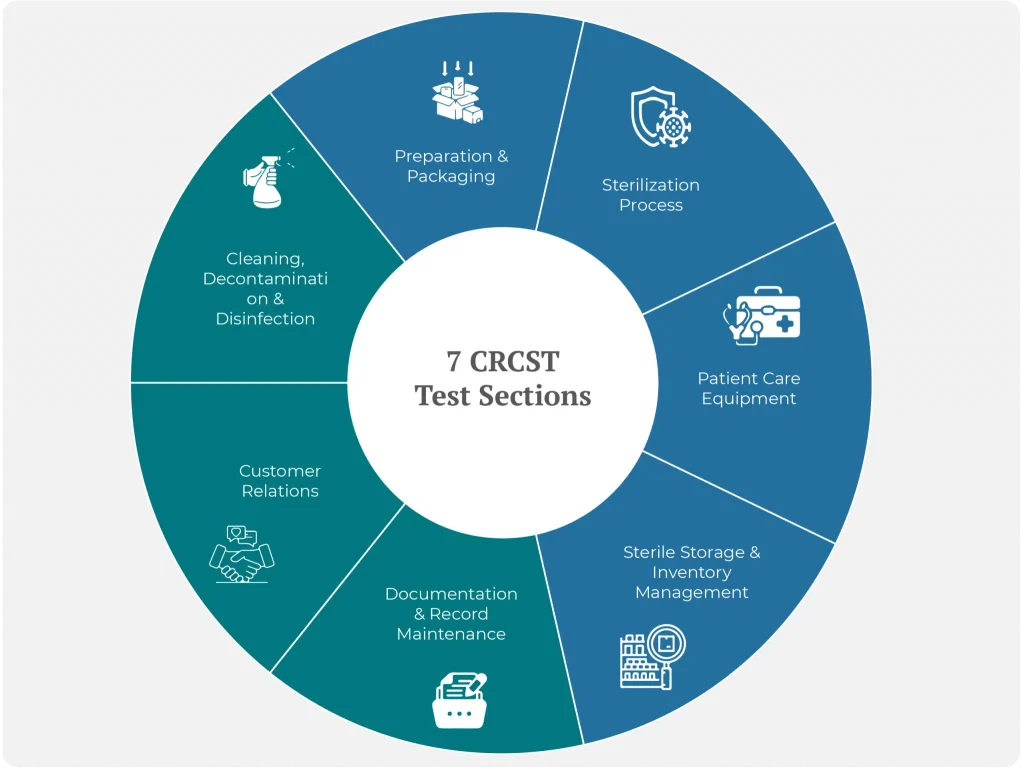
Before we delve into the exam questions, it is important to note that the sterile processing technician exam covers a wide range of topics. These topics include infection control, sterilization techniques, handling of surgical instruments, and regulatory guidelines. Make sure you have a solid understanding of these areas before attempting the exam.
Now, let’s dive into the sterile processing technician exam questions to give you a glimpse of what to expect. Remember, this list is not exhaustive, but it will give you a good starting point for your exam preparation.
See these sterile processing technician exam questions
- What are the different methods of sterilization?
- How do you properly clean surgical instruments?
- What are the steps for preparing a surgical tray?
- What personal protective equipment (PPE) should be worn during the decontamination process?
- How often should biological indicators be used to test sterilization equipment?
- What are the different types of sterilization packaging?
- What is the purpose of an ultrasonic cleaner in the decontamination process?
- What is the recommended temperature and humidity for sterile storage?
- What is the difference between disinfection and sterilization?
- What are the potential risks and complications of improper sterilization?
- What are the cleaning requirements for flexible endoscopes?
- How do you handle and store contaminated instruments prior to decontamination?
- What is the purpose of a biological indicator in the sterilization process?
- What are the different types of sterilization monitoring?
- What is the recommended air exchange rate in a sterile processing department?
- What are the steps for assembling a surgical instrument tray?
- What is the purpose of a washer-disinfector in the decontamination process?
- What are the steps for performing a daily sterilizer maintenance check?
- What is the proper way to handle sharps?
- What are the different methods of biological monitoring?
- How do you properly transport contaminated instruments?
- What are the requirements for sterile storage?
- What is the purpose of an autoclave tape indicator?
- What are the steps for processing contaminated instruments?
- What are the potential hazards of improper instrument handling?
- How do you maintain the cleanliness of a sterile processing department?
- What are the steps for performing a Bowie-Dick test?
- What is the purpose of a sterility assurance level (SAL)?
- What are the different types of chemical indicators?
- How do you properly load a sterilizer?
- What are the steps for packaging instruments for sterilization?
- What are the steps for performing a biological indicator test?
- What is the recommended temperature for steam sterilization?
- What are the steps for cleaning a washer-disinfector?
- What are the requirements for sterile storage shelving?
- What is the purpose of a sterility maintenance program?
- What are the steps for performing a leak test on a sterilizer?
- What are the different types of sterilization indicators?
- How do you properly unload a sterilizer?
- What are the steps for preparing instruments for transport?
- What are the requirements for biological monitoring?
- What is the purpose of a chemical indicator in the sterilization process?
- What are the steps for setting up a sterilization area?
Remember to use these questions as a starting point for your exam preparation. It is essential to study and understand the key concepts and principles behind each question. Good luck with your sterile processing technician exam!






