
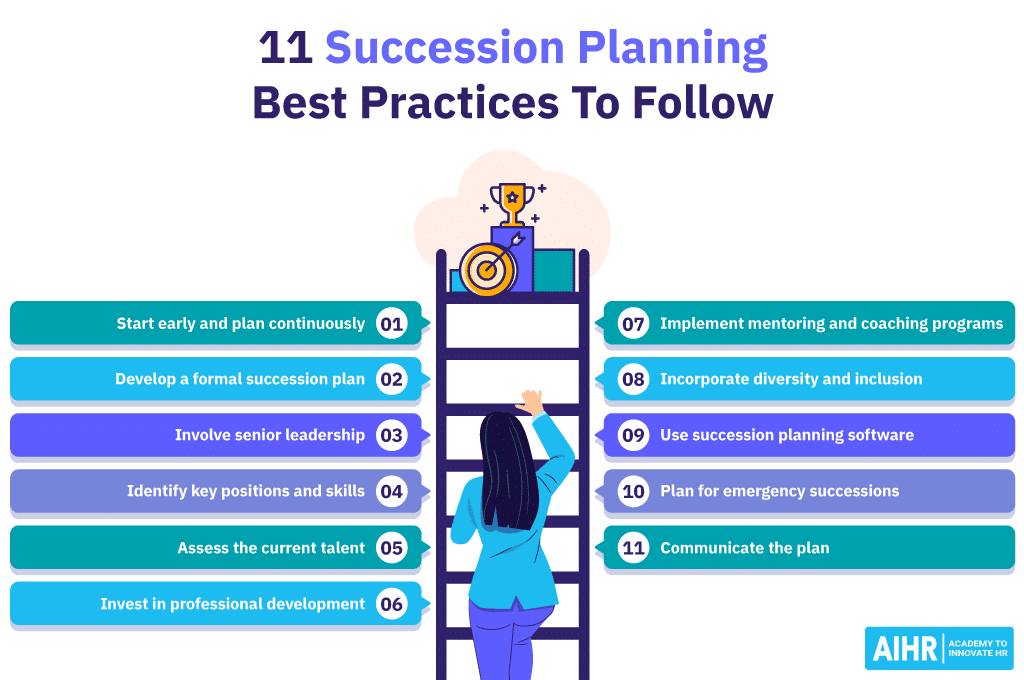
In today’s competitive business landscape, succession planning has become a crucial aspect of organizational strategy. Succession planning involves identifying and developing potential leaders within a company to ensure a smooth transition when key positions become vacant. To effectively implement a succession plan, organizations must ask the right questions to assess the readiness and suitability of potential successors.
In this article, we will explore a comprehensive list of succession planning questions that can help organizations evaluate their current talent pool and identify areas for improvement. These questions are designed to assess an individual’s skills, knowledge, experience, and potential to take on significant leadership responsibilities within the organization.
By asking these succession planning questions, companies can gain valuable insights into their employees’ abilities and develop targeted development plans to prepare them for future leadership roles. Let’s dive into the list of questions:
See these succession planning questions
- What are your long-term career goals?
- How do you handle complex problem-solving situations?
- Are you comfortable with managing and leading teams?
- Have you demonstrated the ability to adapt to changing circumstances?
- Do you possess excellent communication skills?
- What is your approach to decision-making?
- How do you handle conflicts within a team?
- Have you successfully managed projects in the past?
- What is your leadership style?
- Do you actively seek opportunities for personal growth and development?
- How do you handle feedback and criticism?
- Are you comfortable with taking risks?
- What steps have you taken to improve your leadership skills?
- Do you have experience in managing a diverse workforce?
- Can you effectively motivate and inspire others?
- Have you demonstrated the ability to build strong relationships with stakeholders?
- Are you open to learning from others?
- What strategies do you employ to manage your time effectively?
- Do you possess the necessary technical skills for the role?
- How do you handle high-pressure situations?
- Have you identified potential successors within your team?
- What steps have you taken to develop your successor?
- Can you effectively manage and resolve conflicts between team members?
- Do you possess a strong understanding of the organization’s goals and objectives?
- How do you foster a culture of innovation within your team?
- Have you successfully implemented change initiatives in the past?
- What measures do you take to ensure employee engagement and satisfaction?
- Are you comfortable with public speaking and presenting to large audiences?
- Do you actively seek feedback from your team members?
- What steps do you take to ensure diversity and inclusion within your team?
- Have you demonstrated the ability to manage and allocate resources effectively?
- How do you stay updated with industry trends and developments?
- Can you effectively manage stakeholders with conflicting interests?
- What strategies do you employ to foster collaboration and teamwork?
- Do you possess the necessary financial acumen for the role?
- How do you ensure ethical behavior within your team?
- Have you successfully managed crisis situations in the past?
- What measures do you take to promote a positive work culture?
- Are you comfortable with delegating tasks and responsibilities?
- Do you possess the necessary industry knowledge and expertise?
- How do you handle performance issues within your team?
- Have you demonstrated the ability to develop and execute strategic plans?
- Can you effectively manage and navigate organizational politics?
- What steps have you taken to enhance your cross-functional knowledge?
These succession planning questions serve as a starting point for organizations to evaluate their talent pool and identify individuals with the potential to assume key leadership roles. By regularly assessing and developing their employees, companies can ensure a smooth transition of power and secure long-term success.






