
Suicide is a serious and complex issue that requires careful attention and intervention. Identifying individuals who may be at risk of suicide is crucial in order to provide them with the necessary support and resources. One effective way of identifying individuals at risk is through the use of suicide screening questions. These questions are designed to assess an individual’s thoughts, feelings, and behaviors related to suicide, and can help healthcare professionals and mental health practitioners determine the level of risk and appropriate interventions.
By asking specific questions about suicide, healthcare professionals can gather important information about an individual’s mental health and assess their risk of suicide. Suicide screening questions are typically used in various settings, such as primary care clinics, emergency departments, and mental health facilities. These questions can be administered through interviews, questionnaires, or electronic surveys, and should be used in a sensitive and non-judgmental manner.
It is important to note that suicide screening questions are not meant to diagnose or predict suicide with certainty, but rather to identify individuals who may be at risk and in need of further evaluation and support. If someone answers positively to any of these questions, it is crucial to follow up with a mental health professional or contact a helpline immediately.
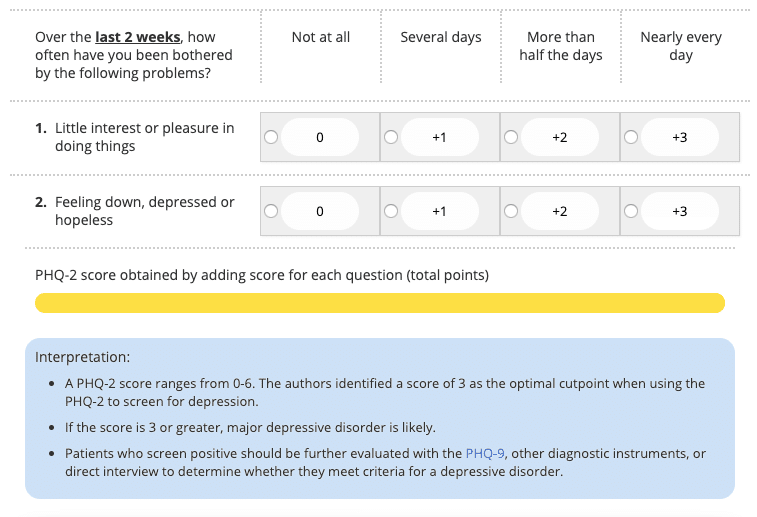
See these suicide screening questions
- Have you had thoughts about ending your life?
- Do you feel hopeless about the future?
- Do you often feel overwhelmed by life’s challenges?
- Have you made any plans or preparations for suicide?
- Have you experienced a recent loss or significant life stressor?
- Do you feel like a burden to others?
- Have you lost interest in activities you used to enjoy?
- Do you often feel lonely or isolated?
- Have you been experiencing changes in your sleep patterns?
- Do you frequently feel irritable or agitated?
- Have you been experiencing significant changes in your appetite or weight?
- Do you feel like you have no purpose in life?
- Have you been engaging in reckless or self-destructive behaviors?
- Do you frequently feel fatigued or lacking energy?
- Have you been withdrawing from friends and family?
- Do you often feel guilty or ashamed?
- Have you been experiencing difficulty concentrating or making decisions?
- Do you frequently have thoughts of self-harm or suicide?
- Have you been experiencing intense feelings of sadness or despair?
- Do you often feel like nobody understands you?
- Have you been experiencing changes in your mood?
- Do you frequently have nightmares or intrusive thoughts?
- Have you been experiencing physical symptoms without a medical cause?
- Do you often feel like you’re a burden to others?
- Have you been experiencing increased use of alcohol or drugs?
- Do you have a history of suicide attempts?
- Have you been giving away your possessions or saying goodbye to loved ones?
- Do you often feel like you’re trapped or have no way out?
- Have you been experiencing intense feelings of guilt or shame?
- Do you frequently feel like you don’t deserve to be alive?
- Have you been experiencing changes in your academic or work performance?
- Do you often feel like you’re a failure?
- Have you been experiencing increased irritability or anger?
- Do you frequently feel disconnected from reality?
- Have you been experiencing a loss of interest in personal hygiene?
- Do you often feel like you’re a disappointment to others?
- Have you been experiencing difficulties in your relationships?
- Do you frequently engage in self-blame or self-criticism?
- Have you been experiencing persistent physical pain?
- Do you often feel like you’re a burden to society?
- Have you been experiencing significant financial difficulties?
- Do you frequently feel like you’re all alone?
- Have you been experiencing a loss of interest in sex?
- Do you often feel like you’re trapped in your own mind?
It is important to remember that suicide screening questions should only be used by trained professionals and in appropriate settings. If you or someone you know is in crisis, it is important to seek help immediately. Reach out to a mental health professional or contact a helpline in your country for assistance.






