Supply and demand is a fundamental concept in economics that determines the prices of goods and services in the market. It is the cornerstone of how the economy operates and influences various aspects of our lives. Understanding supply and demand is crucial to making informed decisions in both personal and business settings. In this article, we will explore some frequently asked questions about supply and demand and provide answers to help you grasp this essential concept.
See these supply and demand questions and answers
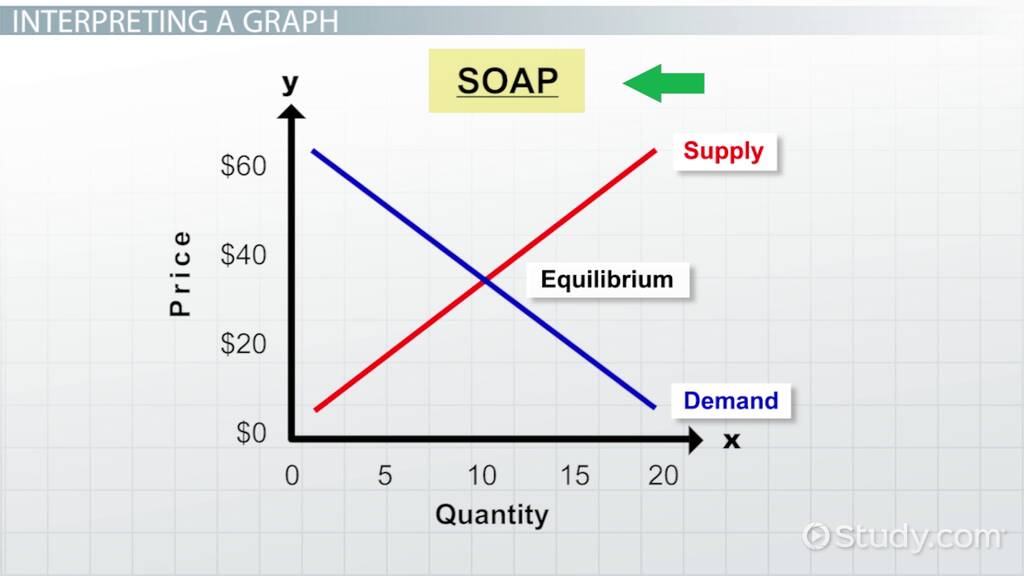
Supply and demand is the relationship between the quantity of a product that producers are willing to sell and the quantity that consumers are willing to buy at a particular price.
When demand exceeds supply, prices tend to rise. Conversely, when supply exceeds demand, prices tend to fall.
Factors such as consumer preferences, population size, income levels, government regulations, and technological advancements can influence supply and demand.
The law of demand states that as the price of a good or service increases, the quantity demanded decreases, and vice versa.
The law of supply states that as the price of a good or service increases, the quantity supplied also increases, and vice versa.
Equilibrium is the point at which the quantity demanded equals the quantity supplied, resulting in a stable market price.
When demand increases, it creates a shortage in the market, leading to higher prices and potential supply constraints.
When supply decreases, it creates a scarcity in the market, leading to higher prices and potential demand constraints.
A price ceiling is a government-imposed limit on how high a price can be charged for a particular good or service.
A price floor is a government-imposed limit on how low a price can be charged for a particular good or service.
An increase in income generally leads to an increase in demand for normal goods and a decrease in demand for inferior goods.
Elasticity measures the responsiveness of demand or supply to changes in price. It helps determine how sensitive consumers or producers are to price changes.
Price elasticity of demand measures the percentage change in quantity demanded in response to a percentage change in price.
Price elasticity of supply measures the percentage change in quantity supplied in response to a percentage change in price.
A substitute good is a product that can be used as an alternative to another product. When the price of one increases, demand for the substitute good tends to increase.
A complementary good is a product that is used together with another product. When the price of one increases, demand for the complementary good tends to decrease.
Technological advancements can increase the efficiency of production, leading to an increase in supply and potentially lower prices.
Market equilibrium occurs when the quantity demanded equals the quantity supplied, resulting in a stable market price.
A shift in the supply curve occurs when there is a change in factors other than price that affect the quantity supplied at each price level.
A shift in the demand curve occurs when there is a change in factors other than price that affect the quantity demanded at each price level.
A surplus occurs when the quantity supplied exceeds the quantity demanded, resulting in downward pressure on prices.
A shortage occurs when the quantity demanded exceeds the quantity supplied, resulting in upward pressure on prices.
Government regulations can impact supply and demand through taxes, subsidies, price controls, and other policies that influence the behavior of producers and consumers.
Microeconomics focuses on individual markets and economic behavior, while macroeconomics analyzes the overall economy, including factors such as inflation, unemployment, and economic growth.
The law of diminishing marginal utility states that as a person consumes more of a particular good, the additional satisfaction or utility derived from each additional unit decreases.
Globalization increases the interconnectedness of economies, leading to changes in supply and demand dynamics as goods, services, and capital flow across borders.
Price serves as a mechanism to balance supply and demand. When prices are high, it signals producers to increase supply, and when prices are low, it signals consumers to increase demand.
Competition among producers encourages efficiency and innovation, leading to lower prices and increased supply to meet consumer demand.
Consumer preferences drive demand for certain goods and services, influencing producers’ decisions on what to supply and at what price.
Advertising can create awareness and influence consumer demand for specific products, leading to shifts in the demand curve.
Inflation erodes the purchasing power of money, which can affect consumer demand and producers’ cost of production, ultimately impacting supply and demand.
The availability and cost of labor can influence production costs and affect the supply of goods and services.
Technological advancements can lead to increased productivity, lower costs of production, and shifts in both supply and demand.
Government intervention can influence supply and demand through policies such as taxation, subsidies, regulations, and trade restrictions.
Income distribution affects consumer purchasing power and can influence the demand for different goods and services.
Scarcity refers to limited resources relative to unlimited wants, driving supply and demand dynamics as consumers and producers prioritize their choices.
Consumer and producer expectations about future economic conditions can influence their behavior and decisions, impacting supply and demand in the market.
International trade can introduce new sources of supply and increase consumer choices, potentially affecting domestic supply and demand dynamics.
Natural disasters can disrupt supply chains, leading to shortages and price increases in affected areas, while also creating opportunities for increased demand in recovery efforts.
The business cycle, consisting of periods of expansion and contraction, can influence consumer confidence, income levels, and overall demand for goods and services.
Speculation involves buying or selling assets with the expectation of future price movements, which can affect supply and demand dynamics in financial markets.
Population growth can increase demand for various goods and services, leading to changes in market dynamics and potentially affecting prices.
Interest rates affect borrowing costs and investment decisions, which can influence the level of economic activity and aggregate demand.
Consumer sentiment, reflecting consumers’ confidence and optimism about the economy, can influence their willingness to spend and affect overall demand.
Government spending can stimulate demand through infrastructure projects, social programs, and other initiatives, impacting overall economic activity and supply and demand dynamics.
The availability of credit can influence consumers’ ability to make purchases and businesses’ ability to invest, affecting both demand and supply in the market.
Education can improve individuals’ skills and productivity, leading to increased supply of skilled labor and potentially affecting wages and employment levels.
Income inequality can affect consumer demand for different goods and services, as well as influence social and political dynamics that can impact supply and demand.
Demographics, such as age, gender, and ethnicity, can influence consumer preferences and demand patterns, affecting the supply and demand for various products.
Technological disruptions can render existing products or services obsolete, leading to changes in supply and demand dynamics as new innovations emerge.
Entrepreneurship drives innovation and the creation of new products and services, influencing supply and demand dynamics in the market.
Consumer behavior, such as purchasing habits, preferences, and decision-making processes, influences demand for goods and services, shaping supply and demand dynamics.
Environmental factors, such as climate change, resource availability, and sustainability concerns, can influence production costs and consumer demand for eco-friendly products.
Political stability creates an environment conducive to economic growth and investment, influencing consumer and business confidence, and affecting supply and demand.
Globalization connects markets worldwide, leading to increased competition, access to new markets, and potential shifts in supply and demand dynamics.
The availability of substitutes can influence consumer choices and demand for certain products, affecting the overall supply and demand balance in the market.
Innovation drives the development of new products, services, and technologies, influencing supply and demand dynamics as consumer preferences evolve.
Government taxation affects the costs of production and consumption, potentially influencing supply and demand patterns in the market.
Market competition encourages efficiency, price competitiveness, and product differentiation, influencing supply and demand dynamics as producers strive to meet consumer needs.
Consumer confidence reflects consumers’ optimism about their financial situation and the overall economy, influencing their willingness to spend and driving demand.
Regulation aims to ensure fair competition, consumer protection, and social welfare, influencing market behavior and potentially affecting supply and demand patterns.
The availability of resources, such as raw materials, labor, and capital, can influence production costs and determine the supply of goods and services.
Cultural factors, such as traditions, customs, and social norms, can influence consumer preferences and demand patterns, shaping supply and demand dynamics.
Income mobility, referring to the ability of individuals to move up or down the income ladder, can affect consumer demand for different goods and services, potentially influencing supply and demand.
Consumer and producer expectations about future economic conditions can influence their behavior and decisions, impacting supply and demand in the market.
International trade can introduce new sources of supply and increase consumer choices, potentially affecting domestic supply and demand dynamics.
Natural disasters can disrupt supply chains, leading to shortages and price increases in affected areas, while also creating opportunities for increased demand in recovery efforts.
The business cycle, consisting of periods of expansion and contraction, can influence consumer confidence, income levels, and overall demand for goods and services.
Speculation involves buying or selling assets with the expectation of future price movements, which can affect supply and demand dynamics in financial markets.
Population growth can increase demand for various goods and services, leading to changes in market dynamics and potentially affecting prices.
Interest rates affect borrowing costs and investment decisions, which can influence the level of economic activity and aggregate demand.
Consumer sentiment, reflecting consumers’ confidence and optimism about the economy, can influence their willingness to spend and affect overall demand.
Government spending can stimulate demand through infrastructure projects, social programs, and other initiatives, impacting overall economic activity and supply and demand dynamics.
The availability of credit can influence consumers’ ability to make purchases and businesses’ ability to invest, affecting both demand and supply in the market.
Education can improve individuals’ skills and productivity, leading to increased supply of skilled labor and potentially affecting wages and employment levels.
Income inequality can affect consumer demand for different goods and services, as well as influence social and political dynamics that can impact supply and demand.
Demographics, such as age, gender, and ethnicity, can influence consumer preferences and demand patterns, affecting the supply and demand for various products.
Technological disruptions can render existing products or services obsolete, leading to changes in supply and demand dynamics as new innovations emerge.
Entrepreneurship drives innovation and the creation of new products and services, influencing supply and demand dynamics in the market.
Consumer behavior, such as purchasing habits, preferences, and decision-making processes, influences demand for goods and services, shaping supply and demand dynamics.
Environmental factors, such as climate change, resource availability, and sustainability concerns, can influence production costs and consumer demand for eco-friendly products.
Political stability creates an environment conducive to economic growth and investment, influencing consumer and business confidence, and affecting supply and demand.
Globalization connects markets worldwide, leading to increased competition, access to new markets, and potential shifts in supply and demand dynamics.
The availability of substitutes can influence consumer choices and demand for certain products, affecting the overall supply and demand balance in the market.
Innovation drives the development of new products, services, and technologies, influencing supply and demand dynamics as consumer preferences evolve.
Government taxation affects the costs of production and consumption, potentially influencing supply and demand patterns in the market.
Market competition encourages efficiency, price competitiveness, and product differentiation, influencing supply and demand dynamics as producers strive to meet consumer needs.
Consumer confidence reflects consumers’ optimism about their financial situation and the overall economy, influencing their willingness to spend and driving demand.
Regulation aims to ensure fair competition, consumer protection, and social welfare, influencing market behavior and potentially affecting supply and demand patterns.
The availability of resources, such as raw materials, labor, and capital, can influence production costs and determine the supply of goods and services.
Cultural factors, such as traditions, customs, and social norms, can influence consumer preferences and demand patterns, shaping supply and demand dynamics.
Income mobility, referring to the ability of individuals to move up or down the income ladder, can affect consumer demand for different goods and services, potentially influencing supply and demand.
Consumer and producer expectations about future economic conditions can influence their behavior and decisions, impacting supply and demand in the market.
International trade can introduce new sources of supply and increase consumer choices, potentially affecting domestic supply and demand dynamics.
Natural disasters can disrupt supply chains, leading to shortages and price increases in affected areas, while also creating opportunities for increased demand in recovery efforts.
The business cycle, consisting of periods of expansion and contraction, can influence consumer confidence, income levels, and overall demand for goods and services.
Speculation involves buying or selling assets with the expectation of future price movements, which can affect supply and demand dynamics in financial markets.
Population growth can increase demand for various goods and services, leading to changes in market dynamics and potentially affecting prices.
Interest rates affect borrowing costs and investment decisions, which can influence the level of economic activity and aggregate demand.
Consumer sentiment, reflecting consumers’ confidence and optimism about the economy, can influence their willingness to spend and affect overall demand.
Government spending can stimulate demand through infrastructure projects, social programs, and other initiatives, impacting overall economic activity and supply and demand dynamics.